Garlic is one of those everyday kitchen ingredients surrounded by an extraordinary number of traditional beliefs.
For centuries, people have used garlic not only to flavor food but also in folk remedies. One particularly curious tradition involves placing a clove of garlic—or sometimes an entire bulb—beside the bed before going to sleep.
According to various online claims, garlic near your pillow or nightstand can help you sleep better, clear a stuffy nose, repel insects, “purify” the air, strengthen immunity, and even protect against illness.
But what actually happens when you leave garlic beside your bed overnight?
The answer is less dramatic than many viral posts suggest.
Garlic contains fascinating sulfur-containing compounds and certainly has nutritional value when eaten. But placing raw garlic next to your bed is very different from consuming it, and many of the health claims surrounding this nighttime ritual aren't supported by strong clinical evidence.
Still, there are a few interesting reasons this tradition may have developed.
Let's separate the facts from the folklore.
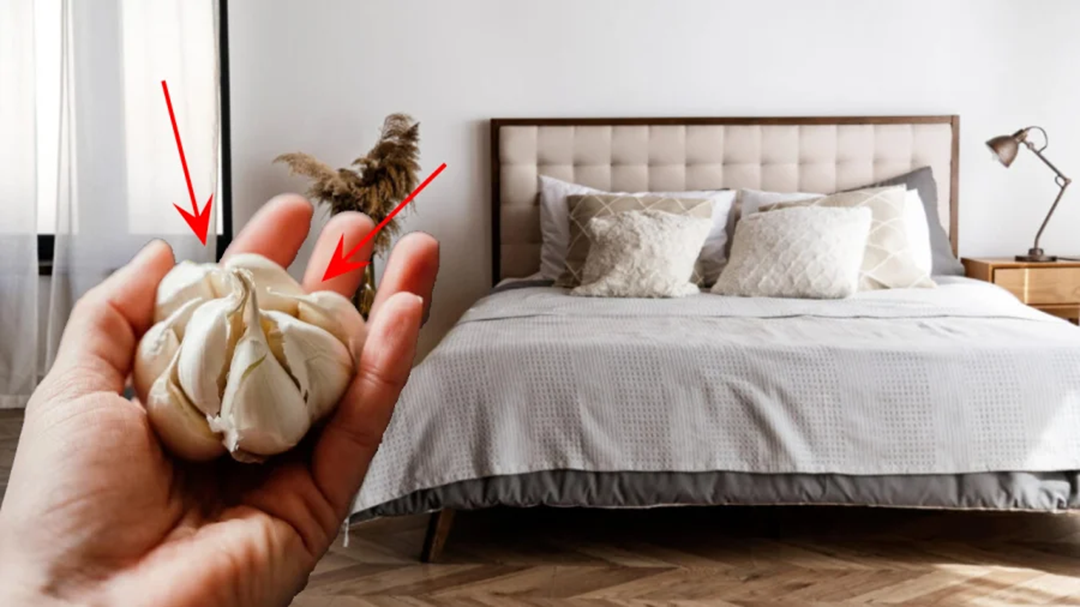
Why Do People Put Garlic Beside Their Beds?
The practice has roots in traditional household remedies.
Before modern medicine, refrigeration, air conditioning, and commercial insect repellents became widely available, people relied heavily on plants and herbs for everyday household purposes.
Garlic was especially valued because of its strong smell and long history of traditional medicinal use.
Over time, people began associating garlic with:
-
Protection from illness
-
Easier breathing
-
Insect control
-
Better sleep
-
Cleaner air
-
Protection from “bad energy” or supernatural forces
Some of these beliefs are cultural folklore, while others probably developed from garlic's real biological properties.
The important distinction is that a compound showing an effect in a laboratory doesn't automatically mean a garlic clove sitting on a nightstand will produce the same effect in a human body.
What Gives Garlic Its Powerful Smell?
The distinctive aroma of freshly cut or crushed garlic comes largely from sulfur-containing compounds.
One of the most famous is allicin.
Interestingly, intact garlic doesn't contain large quantities of ready-made allicin.
When garlic is chopped, crushed, or damaged, an enzyme called alliinase acts on a compound called alliin, producing allicin.
Allicin is relatively unstable and can transform into other sulfur-containing compounds.
These substances are responsible for much of garlic's characteristic odor.
So if you crush a clove and place it near your bed, you may notice the smell quite strongly.
But smelling garlic isn't equivalent to receiving a therapeutic dose of its compounds.
1. Your Bedroom May Smell Like Garlic
This is the most predictable result.
An intact garlic bulb may produce only a mild smell, while crushed or sliced garlic releases a much stronger aroma.
Depending on:
-
How much garlic you use
-
Whether it is crushed
-
Room size
-
Ventilation
-
How close it is to your bed
the smell may remain noticeable for hours.
Some people find garlic's aroma comforting because they associate it with cooking, family traditions, or childhood remedies.
Others may find it unpleasant enough to interfere with sleep.
So the first effect is highly personal:
Your room may simply smell strongly of garlic.
2. Can Garlic Beside Your Bed Help a Stuffy Nose?
This is one of the most popular claims.
The strong smell of crushed garlic can create a sensation that your nasal passages are more open.
However, this doesn't necessarily mean garlic is actually treating nasal congestion.
Congestion can be caused by:
-
Colds
-
Influenza
-
Allergies
-
Sinus inflammation
-
Dry air
-
Irritants
There isn't strong clinical evidence showing that putting garlic next to your bed reliably treats these conditions.
If you have a cold, your symptoms will generally improve as your immune system clears the infection.
For allergy-related congestion, avoiding triggers and using appropriate evidence-based treatments is more reliable than placing garlic beside the bed.
3. Does Garlic Purify the Air?
This claim sounds plausible because garlic compounds have demonstrated antimicrobial activity under certain laboratory conditions.
But there's a major leap between:
“Garlic compounds can affect microorganisms in laboratory experiments”
and
“A clove of garlic beside your bed disinfects the air in your bedroom.”
These are not equivalent statements.
There isn't good evidence that leaving garlic on your nightstand meaningfully sanitizes a room or removes disease-causing microorganisms from the air.
If you're concerned about indoor air quality, more effective strategies include:
-
Adequate ventilation
-
Addressing mold or dampness
-
Avoiding tobacco smoke indoors
-
Maintaining appropriate humidity
-
Using suitable air filtration when necessary
Garlic shouldn't replace these measures.
4. Can Garlic Help You Sleep Better?
Another common claim is that sleeping near garlic produces deeper or more restful sleep.
There is currently insufficient evidence to support garlic beside the bed as an insomnia treatment.
However, there's an interesting psychological component worth considering.
Bedtime rituals themselves can become relaxing.
For example, someone might:
-
Turn off bright lights
-
Prepare the bedroom
-
Place garlic beside the bed
-
Drink a caffeine-free beverage
-
Read quietly
-
Go to sleep at the same time
If that routine has been repeated for years, the ritual may become associated with relaxation.
But that doesn't prove garlic itself is responsible.
For better sleep, stronger evidence supports habits such as:
-
Maintaining a consistent sleep schedule
-
Keeping the bedroom dark and quiet
-
Limiting late caffeine
-
Avoiding heavy alcohol consumption
-
Exercising regularly
-
Reducing stimulating activities before bed
Persistent insomnia deserves proper evaluation rather than relying solely on household remedies.
5. Could Garlic Repel Mosquitoes or Other Insects?
This claim is somewhat more plausible in principle because strong plant odors can influence insect behavior.
Garlic-derived substances have been investigated for insect-repelling or insecticidal properties.
But simply putting one garlic clove beside your pillow isn't a dependable mosquito-control strategy.
Its effectiveness would depend on factors such as concentration, preparation, insect species, and environmental conditions.
For protection against mosquito bites, established measures are considerably more reliable.
These include:
-
Window screens
-
Mosquito nets
-
Removing standing water
-
Appropriate clothing
-
Proven insect repellents
This is especially important in areas where mosquitoes can transmit diseases.
Don't rely on bedside garlic as your primary protection.
6. Does Garlic Absorb Toxins From the Room?
No convincing evidence supports the claim that a garlic clove functions like a sponge that absorbs “toxins” from bedroom air.
The word toxin is frequently used vaguely in wellness content.
Real indoor pollutants can include:
-
Tobacco smoke
-
Carbon monoxide
-
Fine particulate matter
-
Volatile organic compounds
-
Mold-related contaminants
A garlic bulb isn't an established method for removing these substances.
If you're concerned about indoor pollutants, identify and address the actual source.
7. Does Garlic Strengthen Your Immune System While You Sleep?
Garlic as a food and garlic sitting on a nightstand are two very different things.
When you eat garlic, its nutrients and compounds enter the digestive system and undergo metabolism.
Garlic has been investigated for possible effects on cardiovascular health, immune function, and other biological processes.
But when garlic simply sits beside you, those nutrients aren't entering your digestive system.
Therefore, claims that bedside garlic directly “boosts immunity overnight” aren't well supported.
Your immune system is influenced by many factors, including:
-
Nutrition
-
Sleep
-
Physical activity
-
Vaccination
-
Age
-
Stress
-
Underlying medical conditions
No bedside ingredient can substitute for these fundamentals.
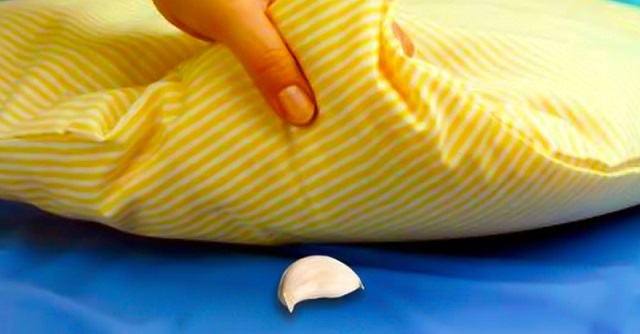
What Happens If You Put Garlic Under Your Pillow?
Some versions of this tradition recommend placing a peeled garlic clove directly under the pillow.
From a practical standpoint, this may produce a stronger odor because the garlic is closer to your face.
It can also:
-
Transfer odor to bedding
-
Get crushed
-
Leave moisture or residue
-
Become unpleasant as it ages
There is no established health advantage to placing garlic under the pillow rather than simply keeping it nearby.
And placing crushed garlic directly against your skin should be avoided.
Don't Put Raw Garlic Directly on Your Skin Overnight
This is an important safety point.
Raw garlic can irritate skin.
Prolonged contact with crushed garlic has been associated with significant irritation and even chemical-like burns in some cases.
The risk may be greater when garlic is:
-
Crushed
-
Held tightly against the skin
-
Covered with a bandage
-
Left in place for hours
So don't tape raw garlic to your feet, chest, face, or other parts of the body overnight based on online remedies.
Eating a vegetable safely doesn't mean applying it directly to the skin is automatically safe.
What About Putting Garlic in Your Nose?
Another viral remedy involves inserting garlic cloves into the nostrils to relieve congestion.
This isn't recommended.
Putting objects into the nose can cause:
-
Irritation
-
Injury
-
Bleeding
-
Obstruction
-
Accidental inhalation
-
Difficulty removing the object
Garlic itself can also irritate delicate nasal tissue.
A strong runny nose after removing garlic doesn't prove that it “pulled mucus out of the sinuses.”
It may simply represent irritation and increased nasal secretions.
Eating Garlic Is Very Different
The strongest evidence surrounding garlic relates to consuming it as part of the diet—not sleeping beside it.
Garlic provides small amounts of nutrients and numerous organosulfur compounds.
Research has investigated garlic and garlic preparations for potential effects on several cardiovascular markers.
Some studies suggest that certain garlic preparations may produce modest improvements in blood pressure or cholesterol in some populations.
However, results vary considerably depending on:
-
Dose
-
Preparation
-
Duration
-
Population studied
Garlic shouldn't replace prescribed blood pressure or cholesterol medication.
Is Raw Garlic Healthier Than Cooked Garlic?
Both can fit into a healthy diet.
Raw garlic contains active enzymes involved in producing allicin after the garlic is crushed.
Cooking changes some of these compounds.
However, cooked garlic remains a nutritious way to add flavor to food.
There's no need to force yourself to eat large quantities of raw garlic solely because of health claims.
Raw garlic can cause digestive discomfort in some people.
Garlic and Digestive Problems
For some individuals, garlic is a major digestive trigger.
Garlic is high in fructans, a type of fermentable carbohydrate belonging to the FODMAP family.
People with irritable bowel syndrome may experience:
-
Bloating
-
Gas
-
Cramping
-
Abdominal pain
-
Changes in bowel habits
after consuming garlic.
Interestingly, garlic-infused oil may be better tolerated by some people following a low-FODMAP diet because fructans aren't readily soluble in oil.
Can You Eat Garlic Before Bed?
Most healthy people can eat garlic as part of their evening meal if they tolerate it.
But eating a large amount immediately before lying down may cause problems in susceptible individuals.
Possible symptoms include:
-
Heartburn
-
Acid reflux
-
Gas
-
Bloating
-
Stomach discomfort
If garlic consistently worsens nighttime reflux, reduce the portion or consume it earlier in the day.
Garlic Supplements Aren't the Same as Food
Garlic supplements can provide much more concentrated amounts of certain compounds than ordinary culinary use.
They may also interact with medications.
Of particular concern, concentrated garlic products may potentially influence blood clotting.
People taking anticoagulant or antiplatelet medications should discuss garlic supplements with a healthcare professional.
This is especially important before surgery.
Using garlic normally in cooking is different from taking high-dose supplements.
Can Garlic Prevent Colds?
Garlic is often marketed as a natural cold-prevention remedy.
Some research has investigated garlic supplementation and respiratory infections, but the evidence remains limited.
There isn't enough high-quality evidence to conclude that putting garlic beside your bed prevents colds.
The most reliable ways to reduce the spread of respiratory infections include measures such as:
-
Appropriate vaccination
-
Hand hygiene
-
Avoiding close contact when ill
-
Improving indoor ventilation
-
Following relevant public-health recommendations
Garlic can stay in your dinner—it doesn't need to guard your pillow.
Why Do People Feel These Remedies Work?
Traditional remedies can feel effective for several reasons.
Symptoms Naturally Improve
Most uncomplicated colds resolve with time.
If you place garlic beside your bed on the third night of a cold and feel better the next morning, garlic may receive the credit even though your immune system was already clearing the infection.
Expectation Matters
If you strongly expect a relaxing ritual to help, that expectation can influence how you perceive symptoms.
The Smell Is Noticeable
Strong sensory experiences make a remedy feel active.
Garlic has an unmistakable odor, which can create the impression that something medicinal is happening.
Traditions Are Powerful
A remedy used by parents or grandparents may feel comforting even without strong scientific evidence.
Comfort itself can still have value—as long as the practice is safe and doesn't replace necessary treatment.
Is There Any Harm in Keeping Garlic on Your Nightstand?
For most people, simply leaving a garlic clove on a plate beside the bed is unlikely to cause harm.
The biggest disadvantages are practical:
-
Strong odor
-
Potential staining
-
Food waste
-
Possible attraction of household pests if left for long periods
If you enjoy the tradition, there is generally little reason to worry about an intact clove sitting nearby.
Just keep expectations realistic.
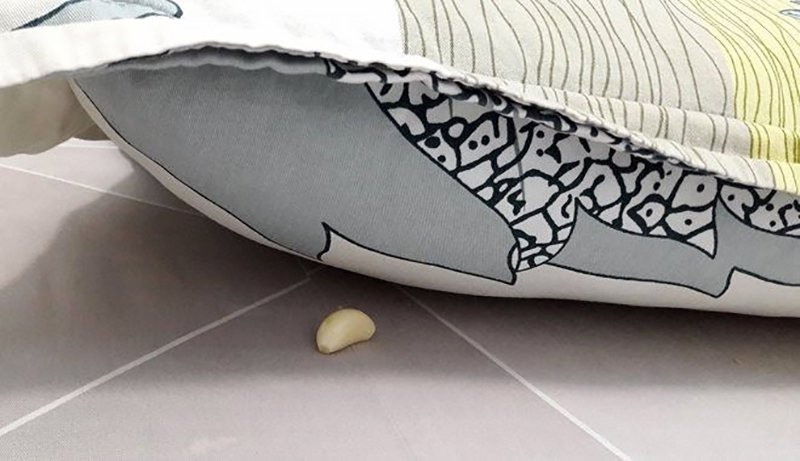
A Safer Way to Try the Tradition
If you're curious and want to experiment, keep things simple.
Step 1
Take one fresh garlic clove.
Step 2
Leave it intact or lightly crush it if you want a stronger aroma.
Step 3
Place it on a small dish on your nightstand rather than directly on your bedding.
Step 4
Keep it away from children and pets.
Step 5
Discard it when it becomes old, moldy, or unpleasant.
Most importantly:
Don't put it directly on your skin, inside your nose, or anywhere it could become a choking hazard.
What Actually Helps You Sleep Better?
If your real goal is better sleep rather than experimenting with folklore, focus on habits supported by stronger evidence.
Keep a Consistent Schedule
Try to wake up and go to bed at similar times each day.
Limit Late Caffeine
Caffeine can remain active for hours and may interfere with falling asleep.
Keep the Bedroom Dark
Light can influence your circadian rhythm and melatonin production.
Keep the Room Comfortable
A quiet, comfortably cool environment is generally conducive to sleep.
Exercise Regularly
Regular physical activity can support sleep quality, although intense exercise immediately before bedtime may not work well for everyone.
Create a Wind-Down Routine
Reading, gentle stretching, or another relaxing activity can help signal that bedtime is approaching.
These strategies are much more likely to improve sleep than relying on a garlic clove.
When Sleep Problems Need Medical Attention
Occasional difficulty sleeping is common.
But talk with a healthcare professional if you regularly experience:
-
Difficulty falling asleep
-
Frequent nighttime awakenings
-
Severe daytime sleepiness
-
Loud snoring
-
Gasping or choking during sleep
-
Morning headaches
-
Persistent fatigue despite enough time in bed
These symptoms can be associated with conditions such as insomnia or sleep apnea.
A bedside home remedy shouldn't delay appropriate evaluation.
Myth vs. Reality
Claim: Garlic beside the bed cures insomnia.
Reality: There isn't strong evidence that bedside garlic treats insomnia.
Claim: Garlic cleans bacteria and viruses from bedroom air.
Reality: Laboratory antimicrobial activity doesn't establish that a garlic clove disinfects a room.
Claim: Garlic beside the bed boosts immunity overnight.
Reality: There is no convincing evidence for this effect.
Claim: Garlic may create a noticeable aroma.
Reality: Absolutely. This is the most predictable result.
Claim: Garlic may repel some insects.
Reality: Garlic-derived substances have been studied for insect-related effects, but one bedside clove isn't a reliable replacement for proven mosquito protection.
Claim: Garlic under the pillow detoxes the body.
Reality: There is no credible evidence supporting this claim.
So, Should You Put Garlic Beside Your Bed Tonight?
If you enjoy the smell or the tradition, there's generally little harm in placing an intact garlic clove on a dish near your bed.
Just don't expect dramatic medical effects.
It isn't likely to:
-
Detox your body
-
Cure a cold overnight
-
Disinfect your entire bedroom
-
Treat chronic insomnia
-
Strengthen your immune system while you sleep
-
Replace mosquito-control measures
What it will definitely do is make the unmistakable aroma of garlic part of your nighttime environment.
For some people, that may feel comforting.
For others, it may simply make them hungry.
The Bottom Line
Keeping garlic beside the bed is an interesting traditional practice, but many of the extraordinary health claims associated with it have little scientific support.
Garlic itself is a nutritious food containing biologically active sulfur compounds, and consuming it as part of a balanced diet may offer nutritional benefits.
But eating garlic and placing garlic on your nightstand are not biologically equivalent.
A bedside clove may release a noticeable aroma and could potentially discourage certain insects under some circumstances, but evidence that it meaningfully improves sleep, clears congestion, disinfects the air, or boosts immunity is lacking.
Final Thoughts
Traditional remedies often survive because they're simple, memorable, inexpensive, and passed from one generation to another. Garlic beside the bed is a perfect example.
There's nothing inherently wrong with enjoying a harmless tradition.
The problem begins when folklore is presented as proven medicine.
If you want to put a garlic clove on your nightstand because you enjoy the smell or find the ritual comforting, that's one thing. But if you're experiencing chronic insomnia, persistent congestion, breathing difficulties, repeated infections, or another ongoing health problem, garlic shouldn't replace proper evaluation and treatment.
And remember: garlic's best-supported place is still probably in your kitchen rather than under your pillow.