For many people, urinating in the shower is an occasional habit they don't think twice about. You're already standing under running water, you're going to wash afterward, and the urine disappears down the drain almost immediately.
But is it actually harmful? Can it cause infections? Does it affect bladder control? And is there any reason you should avoid doing it?
The truth is much less dramatic than many viral posts suggest.
For most healthy adults, occasionally urinating in the shower is unlikely to cause a health problem. Urine is mostly water, along with dissolved waste products and electrolytes, and it normally leaves the body through the urinary tract.
However, there are a few hygiene considerations—and one interesting issue involving the relationship between running water and the urge to urinate—that are worth knowing.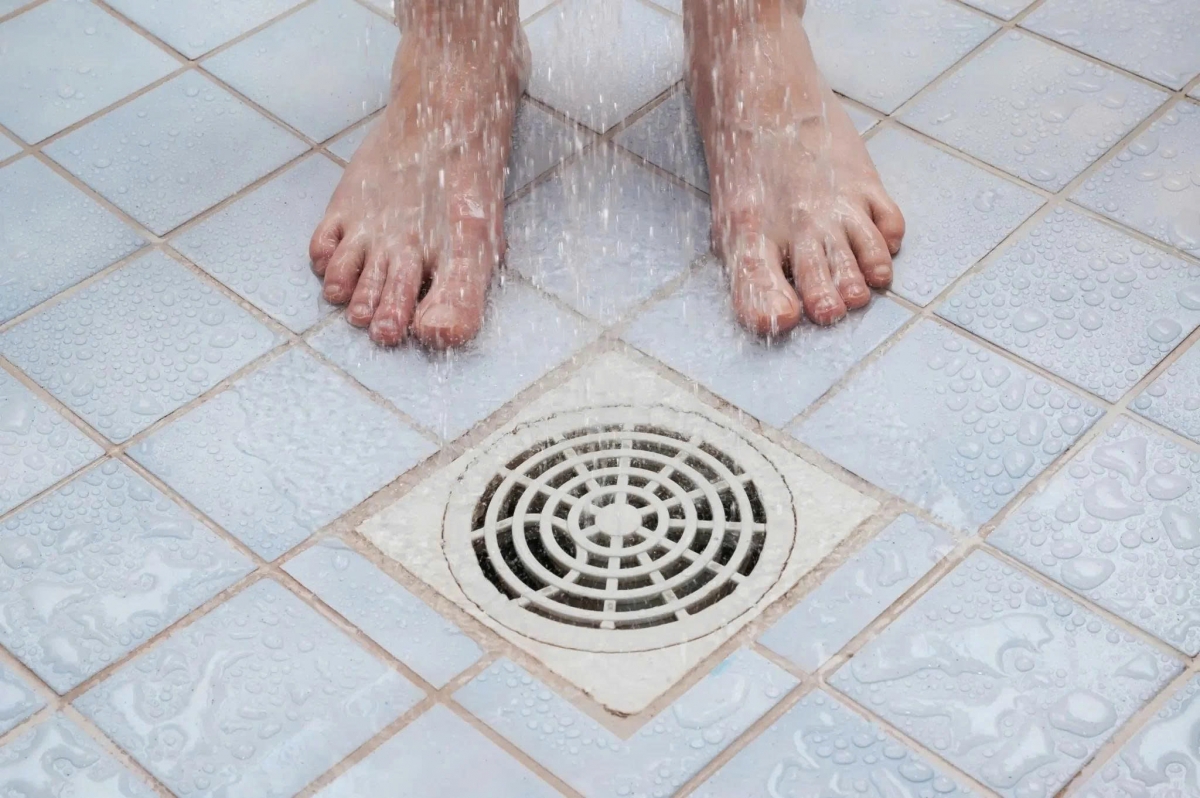
What Happens When You Urinate in the Shower?
The most obvious thing is that urine leaves the bladder and enters the shower drain.
When urine reaches the floor or tub, it mixes with the running shower water and is carried into the wastewater system.
If the shower is properly drained and cleaned, there generally isn't a significant difference between urine going down a shower drain and urine going into a toilet from a sanitation perspective.
The biggest practical difference is that a toilet is specifically designed for waste disposal, while a shower is primarily designed for washing.
That's why regularly urinating in the shower may not be the best hygiene habit, particularly when a shower is shared by multiple people.
Is Urine Actually Dirty?
This question is more complicated than it sounds.
Urine from a healthy person is not sterile, despite the common claim that it is.
The urinary tract contains microorganisms, and urine can contain bacteria even when someone has no symptoms of infection.
However, this doesn't mean that normal urine is highly dangerous.
For a healthy person, urine exposure on intact skin generally isn't considered a major health risk.
The situation is different if urine contains blood, infectious organisms, or other abnormal substances, or if someone has an active urinary infection.
Even then, ordinary showering and cleaning practices are generally sufficient for most household situations.
Does Peeing in the Shower Cause Urinary Tract Infections?
There is no good evidence that simply urinating in the shower causes urinary tract infections.
UTIs generally occur when microorganisms—most commonly bacteria such as E. coli—enter the urinary tract and multiply.
Common risk factors include:
-
Sexual activity
-
Certain anatomical factors
-
Incomplete bladder emptying
-
Urinary tract abnormalities
-
Use of urinary catheters
-
Some medical conditions
-
Menopause-related changes
Peeing in a shower doesn't automatically introduce bacteria into the urinary tract.
So claims that "urinating in the shower causes UTIs" are misleading.
That said, basic bathroom hygiene still matters.
What About the Shower Floor?
If you regularly urinate in the shower, the urine itself isn't the only consideration.
The shower floor can accumulate:
-
Soap residue
-
Skin cells
-
Hair
-
Body oils
-
Dirt
-
Microorganisms
-
Mineral deposits
If urine is repeatedly introduced into a poorly cleaned shower, odors may eventually develop.
This is especially noticeable in bathrooms with poor ventilation or slow drainage.
Regularly cleaning the shower floor and drain is therefore more important than obsessing over whether one isolated urination is harmful.
Does Urine Make the Shower Smell?
Fresh urine usually has a relatively mild odor.
But as urine sits and interacts with microorganisms and surfaces, it can develop a stronger ammonia-like smell.
If you urinate in the shower and immediately rinse the area thoroughly with running water, odor is less likely to become noticeable.
However, if urine repeatedly accumulates around the drain, grout, or textured shower surfaces, an unpleasant smell may eventually develop.
This is another reason that regular cleaning matters.
Can Urine Damage the Shower?
Occasional urination is unlikely to damage a properly maintained shower.
However, repeated exposure combined with mineral deposits and inadequate cleaning may contribute to staining or unpleasant buildup over time.
The greater concern is usually hygiene and odor, rather than structural damage.
A bathroom that is regularly rinsed and cleaned is unlikely to have a significant problem from occasional urine exposure.
What Happens to Your Bladder When You Hear Running Water?
Here's where things get more interesting.
For some people, the sound or sensation of running water can trigger the urge to urinate.
You've probably experienced something similar: you hear water running and suddenly realize you need to use the bathroom.
This isn't necessarily a sign of disease.
The brain and bladder communicate continuously, and certain sensory cues can become associated with urination.
If you frequently urinate in the shower, the combination of:
standing + warm water + running water + urination
can potentially become a learned association.
In some people, that may make the urge to urinate appear more quickly when they shower.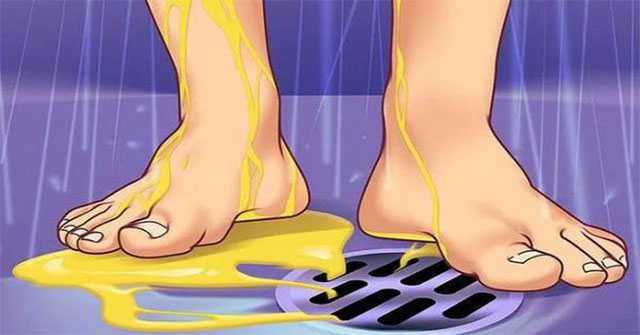
Can Peeing in the Shower Cause Bladder Problems?
This claim is often exaggerated online.
There is no strong evidence that occasional urination in the shower damages the bladder.
However, pelvic-health specialists sometimes discuss the possibility that repeatedly urinating in response to the sound of running water could reinforce an association between that stimulus and bladder emptying.
For people who already experience urinary urgency or overactive bladder symptoms, this may be worth considering.
The issue isn't that shower urination physically damages the bladder.
It's that habits and conditioning can influence how your brain interprets bladder sensations.
What Is Urinary Urgency?
Urinary urgency means experiencing a sudden, difficult-to-delay need to urinate.
Some people with overactive bladder may experience:
-
Frequent urination
-
Sudden urgency
-
Urinating multiple times during the night
-
Occasional leakage
If you notice that simply turning on the shower makes you urgently need to urinate, it doesn't necessarily mean something is wrong.
But if urgency occurs frequently throughout the day or interferes with normal activities, discuss it with a healthcare professional.
Does Showering Make You Need to Pee?
Warm water can affect the body's circulation and muscle relaxation, while the sound of running water can act as a psychological cue.
For some people, the combination may make urination easier.
This is one reason people sometimes find it easier to urinate while showering than when sitting on the toilet.
Again, this is not inherently dangerous.
It is simply an example of how the nervous system, bladder, and environmental cues interact.
What About Women?
Women may have additional reasons to pay attention to bathroom hygiene because the female urethra is relatively short, making it easier for bacteria from nearby areas to reach the bladder.
But this does not mean that urinating in the shower automatically causes UTIs.
The more important habits are:
-
Keep the genital area clean
-
Avoid harsh or irritating products
-
Stay adequately hydrated
-
Don't routinely hold urine for excessively long periods
-
Urinate after sexual activity if that is comfortable and recommended for you
-
Seek medical attention for persistent urinary symptoms
Normal showering is sufficient for most people.
What About Men?
For men, occasional urination in the shower is also generally not considered medically dangerous.
Men can develop urinary tract infections and other urinary problems, particularly with increasing age or certain medical conditions.
Symptoms such as difficulty starting urination, weak urine flow, frequent nighttime urination, pain, or blood in the urine should not simply be blamed on shower habits.
These symptoms may require evaluation for conditions involving the prostate, bladder, kidneys, or urinary tract.
Is It More Hygienic Than Using a Toilet?
Not necessarily.
A toilet is specifically designed to receive urine and feces.
A shower is designed to wash the body.
If you're already showering, the urine will be diluted and washed down the drain.
But in a shared household, some people may reasonably prefer that everyone use the toilet for urination.
The issue is mostly one of cleanliness, personal preference, and shared-space hygiene.
What If Someone Has a Urinary Tract Infection?
If you have a UTI, urine may contain larger amounts of bacteria.
However, showering and urinating don't usually pose a major infection risk to other household members.
Still, good hygiene is important.
Wash your hands after using the bathroom, keep the shower clean, and avoid sharing personal items such as towels.
If you have symptoms such as burning during urination, frequent urgency, lower abdominal pain, or blood in the urine, seek medical advice.
A fever, chills, vomiting, or pain in the back or side can indicate a potentially more serious kidney infection and warrants prompt medical attention.
What About Blood in the Urine?
If you notice visible blood in your urine, don't dismiss it as a harmless consequence of showering.
Blood in the urine can have many causes, including:
-
Urinary tract infections
-
Kidney stones
-
Prostate problems
-
Certain medications
-
Kidney disease
-
Urinary tract cancers
Not every cause is serious, but visible blood in the urine should be medically evaluated.
Does Urinating in the Shower Save Water?
This is another popular argument.
Some people say that urinating in the shower saves a toilet flush.
That can technically be true.
Every toilet flush uses water, although the amount varies considerably depending on the toilet.
If someone urinates in the shower instead of flushing a toilet, they may avoid one flush.
However, this doesn't mean shower urination is a major environmental solution.
Modern low-flow toilets can use relatively little water, while showers can use substantial amounts depending on their duration and flow rate.
If you're trying to conserve water, shortening your showers and fixing leaks can have a much larger impact.
What About Urinating Before or During a Shower?
If you feel the need to urinate before showering, there is no health advantage to deliberately holding it until you're under the water.
Simply use the toilet.
If you naturally need to urinate while showering, occasionally doing so isn't likely to cause harm.
The important thing is not to develop anxiety around the issue.
Should You Stop Peeing in the Shower?
For most healthy adults, there is no medical requirement to completely stop.
However, you might choose to avoid the habit if:
-
You share the shower with other people
-
The shower is difficult to clean
-
You notice persistent odors
-
You have urinary urgency
-
The sound of running water triggers frequent urgency
-
You simply prefer using the toilet
If you enjoy doing it occasionally and maintain good bathroom hygiene, there is generally no reason to panic.
How to Keep Your Shower Hygienic
Regardless of whether you urinate in the shower, good cleaning habits matter.
Clean the Shower Floor Regularly
Use an appropriate bathroom cleaner and follow its instructions.
Keep the Drain Clear
Hair and soap buildup can slow drainage and allow water—and anything mixed with it—to remain on the floor longer.
Ventilate the Bathroom
Good ventilation helps reduce moisture and mold growth.
Wash Towels Regularly
Damp towels can become a breeding ground for microorganisms and develop unpleasant odors.
Don't Mix Cleaning Products
Never mix bleach with ammonia or acidic cleaning products, as dangerous gases can be produced.
When Urination Problems Need Medical Attention
The bigger health issue isn't whether you pee in the shower.
It's how you are urinating.
Pay attention if you notice:
-
Burning or pain during urination
-
Blood in the urine
-
Persistent urinary urgency
-
A weak or interrupted stream
-
Difficulty starting urination
-
Frequent nighttime urination
-
Inability to empty your bladder
-
Unexplained changes in urine
-
Fever with urinary symptoms
-
Pain in your back or side
These symptoms can indicate conditions that deserve professional evaluation.
The Bottom Line
So, what really happens when you urinate while showering?
For most healthy adults, the urine simply goes down the drain, and occasional shower urination is unlikely to cause a serious health problem.
It doesn't automatically cause UTIs, damage the kidneys, or poison the body.
However, repeatedly urinating in the shower may contribute to odor and hygiene issues if the shower isn't cleaned properly. Some people may also develop a stronger association between the sound of running water and the urge to urinate, which could matter if they already struggle with urinary urgency.
The biggest takeaway is simple:
Don't panic about an occasional shower pee. Just keep the bathroom clean and pay attention to your urinary health.
If you're experiencing persistent urgency, pain, blood in your urine, difficulty urinating, or other unusual symptoms, the issue isn't the shower—it may be time to talk to a healthcare professional.
In the end, there's no mysterious health consequence waiting for you every time you urinate under running water.
Good hygiene and paying attention to persistent symptoms matter far more than the location of the drain.