While many snake species are harmless, a bite from a venomous snake is a medical emergency that requires immediate and correct action. Knowing what to do—and just as importantly, what not to do—can make the critical difference in saving a life.
Here is a practical guide on how to handle a snake bite safely while waiting for professional medical help.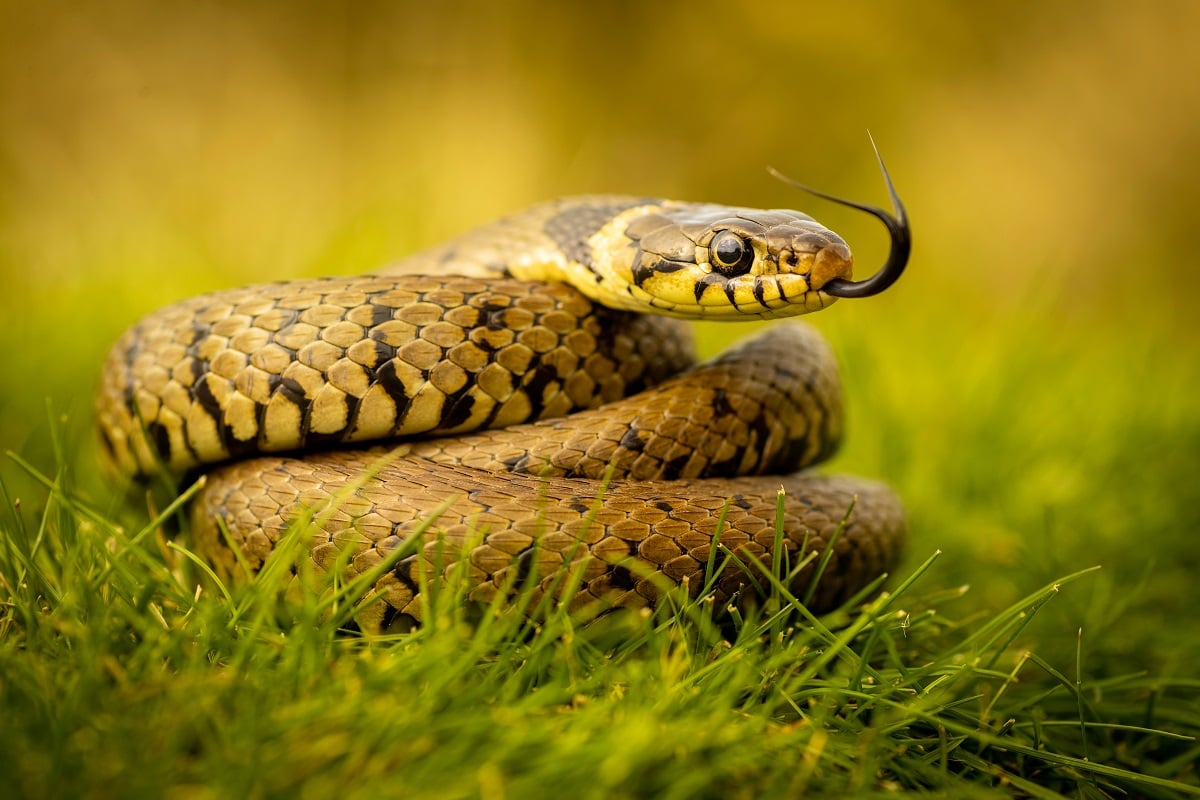
Immediate First Aid Steps: What to Do First
If you or someone nearby is bitten by a snake, stay as calm as possible and follow these vital steps:
-
Move to Safety: Gently move away from the snake to prevent a second strike. Do not try to capture, kill, or handle the snake, as even a dead snake can bite via reflex muscle spasms. Taking a quick, safe photo of the snake from a distance can help doctors identify the species later, but only do so if it is completely safe.
-
Stay Calm and Still: Panic accelerates your heart rate, which causes venom to circulate through the bloodstream much faster. Keep the victim calm and still.
-
Position the Wound: Keep the bitten area at or slightly below the level of the heart to slow down the spread of venom.
-
Remove Restricting Items: Promptly remove rings, watches, bracelets, or tight clothing near the bite area. Venomous snake bites can cause rapid, severe swelling.
-
Clean and Cover: Gently wash the wound with soap and water if available, and cover it loosely with a clean, dry bandage.
-
Seek Emergency Medical Help Immediately: Call emergency services or transport the victim to the nearest hospital as fast as possible. Do not wait for symptoms to appear.
Dangerous Myths: What Never to Do
Many outdated folk remedies can actually make a snake bite much worse. Avoid these common mistakes:
-
Do NOT cut the wound: Making incisions or trying to cut open the bite area does not remove venom; it causes tissue damage, heavy bleeding, and a high risk of severe infection.
-
Do NOT try to suck out the venom: Oral suction does not work and can introduce harmful bacteria from the mouth into the wound. Commercial suction devices are also ineffective and discouraged by medical professionals.
-
Do NOT apply a tourniquet: Tying a tight band or tourniquet around an arm or leg cuts off blood circulation entirely, which can lead to permanent tissue death and the potential amputation of the limb.
-
Do NOT apply ice or cold packs: Extreme cold does not neutralize venom; instead, it damages the skin and underlying tissues.
-
Do NOT consume alcohol or caffeine: Drinking stimulants or alcohol increases your heart rate and speeds up how fast venom spreads through your body.
-
Do NOT rely on traditional herbal poultices: While folk remedies are culturally widespread, delaying professional medical treatment to use unverified plant mixtures can be fatal.
The Ultimate Rule: Time is Tissue
When dealing with a venomous snake bite, time is the single most important factor. Antivenom administered promptly by medical professionals is the only proven, effective treatment for severe envenomation.
Stay alert when walking in tall grass, brush, or rocky areas, and always seek professional medical assistance immediately if a bite occurs.
Disclaimer: This article is for informational purposes only and does not substitute for professional medical advice. Always seek immediate emergency medical care in the event of a venomous animal bite.