Gallbladder removal, also known as cholecystectomy, is one of the most commonly performed abdominal surgeries worldwide. It is often recommended for people with painful gallstones, inflammation of the gallbladder, gallbladder polyps, or other gallbladder conditions that cause recurring symptoms or complications.
The good news is that most people recover well and go on to live healthy, active lives without a gallbladder. After surgery, the liver continues to produce bile, but instead of being stored in the gallbladder, bile flows directly into the small intestine to aid digestion.
Although recovery is usually smooth, it's important to understand that some people may experience temporary digestive changes or, less commonly, postoperative complications. Knowing what to expect—and recognizing warning signs that require medical attention—can help you recover safely.
Here's what happens after gallbladder surgery and five potential complications to watch for.
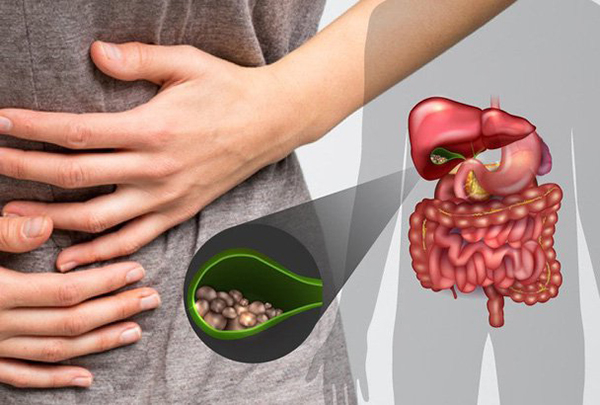
What Does the Gallbladder Do?
The gallbladder is a small, pear-shaped organ located beneath the liver.
Its main job is to:
-
Store bile produced by the liver
-
Concentrate bile
-
Release bile into the small intestine after meals, especially meals containing fat
Bile helps digest fats and absorb fat-soluble vitamins such as vitamins A, D, E, and K.
When the gallbladder is removed, these functions continue in a slightly different way because bile flows continuously from the liver into the intestine.
What Is Recovery Like?
Recovery depends on the type of surgery.
Laparoscopic (Minimally Invasive) Surgery
Most people:
-
Return home the same day or the next day.
-
Resume light activities within several days.
-
Return to work within 1–2 weeks, depending on the job.
-
Experience less pain and faster recovery than with open surgery.
Open Surgery
Recovery generally takes longer.
Many patients:
-
Stay in the hospital for several days.
-
Need 4–8 weeks before returning to normal activities.
Your surgeon will provide individualized recovery instructions.
Common Temporary Changes After Surgery
Many people notice mild digestive changes during the first few weeks.
These may include:
-
Loose stools
-
Mild diarrhea
-
Gas
-
Bloating
-
Temporary indigestion
-
Increased bowel movements after fatty meals
These symptoms often improve as the digestive system adapts.
Eating smaller meals and gradually reintroducing higher-fat foods may help reduce discomfort.
1. Postcholecystectomy Diarrhea
One of the most common issues after gallbladder removal is diarrhea.
Without a gallbladder, bile flows into the intestine more continuously rather than being released mainly during meals.
For some people, this extra bile reaching the colon may contribute to:
-
Loose stools
-
Urgent bowel movements
-
More frequent trips to the bathroom
Fortunately, these symptoms are often temporary and improve over weeks or months.
Tips That May Help
-
Eat smaller meals.
-
Limit very fatty or fried foods initially.
-
Increase soluble fiber gradually.
-
Stay well hydrated.
If diarrhea is severe or persistent, your doctor may recommend medications that bind bile acids.
2. Postcholecystectomy Syndrome
A small percentage of people continue to experience symptoms after surgery.
This is sometimes called postcholecystectomy syndrome (PCS).
Symptoms may include:
-
Persistent upper abdominal pain
-
Indigestion
-
Nausea
-
Bloating
-
Heartburn
-
Ongoing digestive discomfort
PCS can have several causes, including digestive disorders unrelated to the gallbladder, retained bile duct stones, or changes in bile flow.
Because symptoms vary, further evaluation may be needed to determine the underlying cause.
3. Bile Duct Injury or Bile Leak
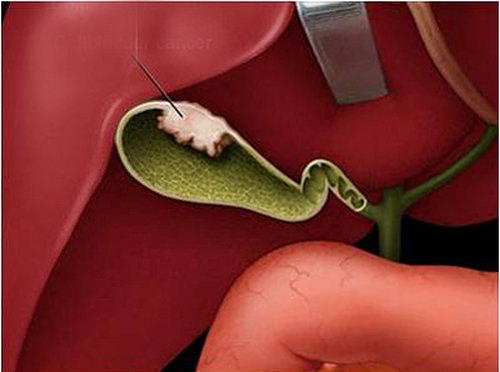
Although uncommon, injury to the bile ducts is one of the more serious complications of gallbladder surgery.
In some cases, bile may leak into the abdominal cavity.
Warning signs may include:
-
Severe abdominal pain
-
Fever
-
Persistent nausea or vomiting
-
Abdominal swelling
-
Yellowing of the skin or eyes (jaundice)
A bile leak or bile duct injury requires prompt medical evaluation and treatment.
Fortunately, these complications are rare, especially when surgery is performed by experienced surgical teams.
4. Retained or Recurrent Bile Duct Stones
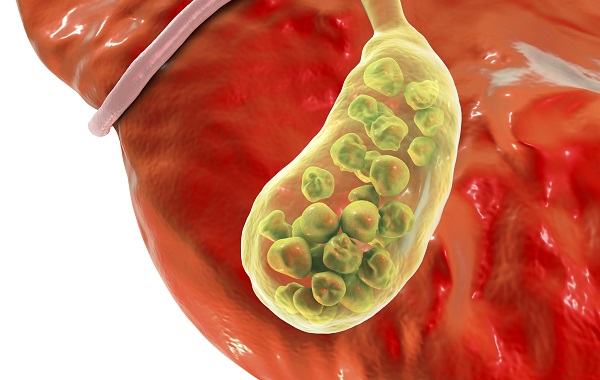
Occasionally, gallstones remain in the common bile duct even after the gallbladder has been removed.
These stones may cause:
-
Abdominal pain
-
Fever
-
Chills
-
Jaundice
-
Dark urine
-
Pale-colored stools
Doctors may diagnose retained stones using blood tests and imaging studies.
Many cases can be treated with a procedure called ERCP (endoscopic retrograde cholangiopancreatography), which allows specialists to remove stones from the bile duct without major surgery.
5. Infection or Surgical Site Problems
As with any operation, infection is a possible complication.
Signs of infection include:
-
Increasing redness around the incision
-
Swelling
-
Warmth
-
Drainage or pus
-
Fever
-
Worsening pain
Keeping the surgical wounds clean and following postoperative instructions can help reduce the risk.
Contact your healthcare provider if you notice signs of infection.
How Your Diet May Change
Most people can eventually return to eating a normal, balanced diet.
During the early recovery period, many people feel better by choosing foods that are:
-
Low in fat
-
Easy to digest
-
High in fiber (introduced gradually)
-
Rich in fruits and vegetables
-
Lean sources of protein
It may help to temporarily limit:
-
Fried foods
-
Greasy meals
-
Heavy cream sauces
-
Large portions
-
Highly processed foods
Over time, many individuals are able to tolerate these foods again in moderation.
When Should You Contact Your Doctor?
Seek medical advice if you experience:
-
Persistent or worsening abdominal pain
-
Fever above 38°C (100.4°F)
-
Jaundice
-
Persistent vomiting
-
Severe diarrhea lasting more than several days
-
Blood in the stool
-
Redness or drainage from the surgical incision
-
Difficulty eating or drinking
Seek emergency medical care immediately if you develop severe abdominal pain accompanied by fever, jaundice, confusion, or signs of shock.
Tips for a Smooth Recovery
To support healing:
-
Follow your surgeon's postoperative instructions.
-
Walk regularly to encourage circulation.
-
Avoid heavy lifting until cleared by your healthcare provider.
-
Drink plenty of fluids.
-
Eat small, balanced meals.
-
Gradually increase physical activity.
-
Attend all follow-up appointments.
Recovery timelines vary from person to person.
Common Myths About Gallbladder Removal
Myth: You can't digest fat without a gallbladder.
Fact: The liver continues to produce bile. Most people can digest fat, although some may temporarily tolerate smaller amounts better during recovery.
Myth: Everyone develops diarrhea after gallbladder surgery.
Fact: Some people experience temporary diarrhea, while many have little or no long-term digestive change.
Myth: Gallbladder removal causes permanent digestive problems.
Fact: Most individuals adapt well over time and are able to eat a varied, balanced diet.
Myth: Persistent pain after surgery is normal.
Fact: Mild soreness is expected initially, but persistent or severe pain should be evaluated to rule out complications or other medical conditions.
Myth: Once the gallbladder is removed, no more gallstones can occur.
Fact: Although the gallbladder is gone, stones can still occasionally form or remain in the bile ducts.
The Bottom Line
Gallbladder removal is a common and generally safe procedure that allows most people to return to normal activities with little long-term impact on their quality of life. During the first few weeks, mild digestive changes such as bloating, loose stools, or sensitivity to fatty foods are relatively common and often improve as the body adjusts to a continuous flow of bile.
While serious complications are uncommon, it's important to recognize symptoms that warrant medical attention. Persistent diarrhea, ongoing abdominal pain, fever, jaundice, severe vomiting, or signs of infection should not be ignored. By following your surgeon's recommendations, maintaining a balanced diet, and seeking medical care when needed, most people recover successfully and enjoy good digestive health after gallbladder surgery.