The thyroid may be a relatively small gland, but its influence on the body is enormous. Located at the front of the neck, just below the Adam's apple, this butterfly-shaped gland produces hormones that help regulate metabolism, energy production, body temperature, heart rate, digestion, and many other essential processes.
When the thyroid is functioning properly, these hormones help keep numerous systems working in balance. However, when thyroid hormone production becomes too high or too low, the effects can appear throughout the body. People may experience unexplained weight changes, fatigue, sensitivity to heat or cold, changes in heart rate, hair thinning, digestive problems, or difficulties concentrating.
Genetics, autoimmune conditions, certain medications, and underlying medical problems can all influence thyroid health. Nutrition also plays an important role because the thyroid depends on specific nutrients to produce and regulate hormones.
Some foods and dietary habits may interfere with thyroid function, particularly when consumed in excessive amounts or when a person already has an underlying thyroid condition. Certain foods contain compounds that can affect iodine utilization, while others may interfere with the absorption of thyroid medication.
However, this does not mean that everyone should eliminate these foods. Many foods that are sometimes described as harmful to the thyroid are nutritious and perfectly suitable for most people when eaten in reasonable quantities.
Understanding which foods deserve attention, why they may matter, and how to include them safely can help you make better decisions about your daily diet.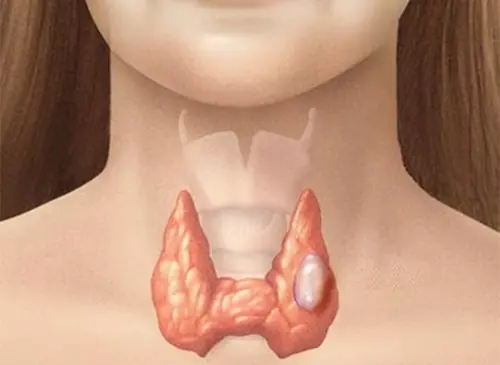
1. Seaweed and Kelp: Too Much Iodine Can Be a Problem
Seaweed is often promoted as a healthy source of minerals, particularly iodine. This mineral is essential because the thyroid uses it to produce two important hormones: thyroxine (T4) and triiodothyronine (T3).
Without enough iodine, the thyroid cannot produce adequate amounts of these hormones. However, consuming excessive iodine can also cause problems, especially in people with existing thyroid disorders.
Certain types of seaweed, particularly kelp, kombu, and some varieties of brown seaweed, can contain extremely high and variable amounts of iodine.
For people with autoimmune thyroid conditions, such as Hashimoto's disease or Graves' disease, excessive iodine intake may worsen thyroid dysfunction in some circumstances.
Too much iodine can contribute to either an underactive or overactive thyroid, depending on the individual's condition and susceptibility.
The difficulty is that iodine content varies considerably between seaweed species, growing conditions, and commercial products. A small serving of one product may provide a very different amount from another.
What should you do?
You do not necessarily need to eliminate seaweed from your diet. However, avoid consuming large quantities of kelp or taking concentrated seaweed supplements without professional advice.
People with thyroid disorders should discuss their iodine intake with their healthcare provider, especially if they regularly consume seaweed or use supplements containing kelp.
2. Cruciferous Vegetables: Broccoli, Cabbage, and Cauliflower
Cruciferous vegetables are among the most nutritious foods available. This group includes:
-
Broccoli
-
Cauliflower
-
Cabbage
-
Brussels sprouts
-
Kale
-
Bok choy
-
Turnips
-
Radishes
These vegetables contain fiber, vitamins, minerals, and beneficial plant compounds. They are associated with many aspects of a healthy eating pattern.
However, cruciferous vegetables also contain naturally occurring substances called glucosinolates. When these compounds are broken down, some products can interfere with iodine uptake or thyroid hormone production under certain circumstances.
This is why they are sometimes described as goitrogenic foods.
The potential concern is greatest when someone consumes very large quantities of these vegetables, particularly in raw form, while also having insufficient iodine intake.
But there is an important distinction between theoretical effects and everyday eating.
For most people with adequate iodine intake, ordinary portions of broccoli, cabbage, or cauliflower are not considered a significant threat to thyroid health.
Cooking can reduce the activity of some goitrogenic compounds. Steaming, boiling, or stir-frying these vegetables is a practical way to enjoy them as part of a balanced diet.
The takeaway: Do not eliminate broccoli or cabbage simply because you have heard they may affect the thyroid. Focus on reasonable portions, dietary variety, and adequate iodine intake.
3. Soy Products: Can Tofu and Soy Milk Affect Thyroid Hormones?
Soy is another food frequently discussed in relation to thyroid function.
Common soy-based foods include:
-
Tofu
-
Soy milk
-
Tempeh
-
Edamame
-
Soybeans
-
Soy protein products
Soy contains compounds called isoflavones, which have attracted scientific attention because of their possible effects on certain hormonal and metabolic processes.
Some laboratory studies suggest that soy isoflavones may influence enzymes involved in thyroid hormone production. However, evidence from human studies indicates that moderate soy consumption generally has little or no meaningful effect on thyroid function in healthy people who receive adequate iodine.
There is another issue that matters particularly to people taking thyroid medication.
Soy products may interfere with the absorption of levothyroxine, a commonly prescribed medication for hypothyroidism. This does not mean that people taking the medication must avoid tofu or soy milk entirely. Instead, they should maintain a consistent eating pattern and follow their healthcare provider's instructions about medication timing.