Abdominal pain — that all-too-familiar bellyache — is something almost everyone experiences at some point in life. Sometimes it’s mild and fleeting, disappearing after a few hours. Other times, it’s persistent, sharp, or severe enough to interfere with your day. While abdominal pain is often harmless, it can also be your body’s way of signaling that something more serious is happening inside.
Let’s explore what abdominal pain really means, what might cause it depending on where it occurs, and when you should seek medical attention.
What Is Abdominal Pain?
Abdominal pain refers to any discomfort, aching, or cramping felt between your chest and pelvis. This area contains many vital organs — including the stomach, intestines, liver, gallbladder, pancreas, spleen, kidneys, and parts of the reproductive system — so the causes can vary widely.
The pain may feel:
-
Sharp or stabbing, as in gallstones or appendicitis
-
Dull or achy, as in bloating or constipation
-
Crampy, often linked to gas or menstrual cramps
-
Wave-like, which can happen with bowel obstruction or intestinal spasms
Most of the time, abdominal pain is linked to something relatively minor, such as indigestion, gas, or overeating. However, persistent or severe pain may point to a medical issue that needs proper evaluation.
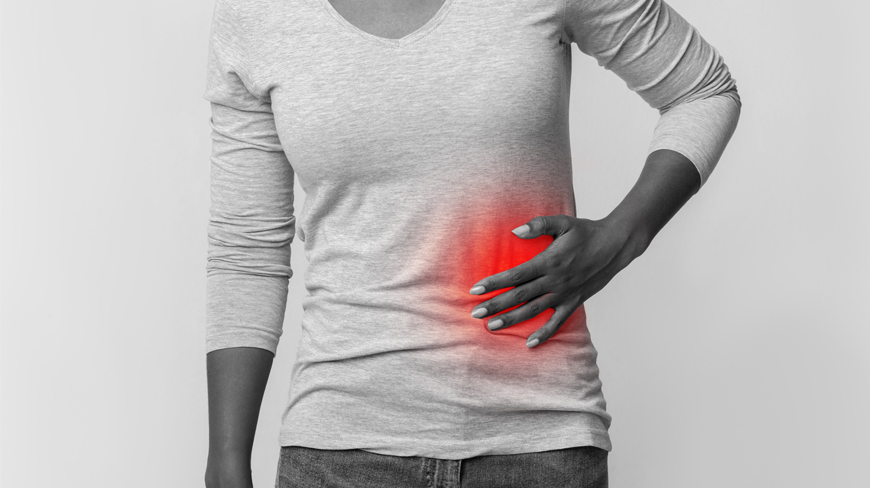
Pain on the Left Side of Your Abdomen
Lower Left Side
Pain in the lower left abdomen is commonly caused by diverticulitis — an inflammation of small pouches (diverticula) that can form in the colon wall. This condition tends to occur more often with age and can lead to fever, tenderness, and changes in bowel habits.
Another frequent cause is irritable bowel syndrome (IBS), a chronic condition marked by abdominal discomfort, bloating, and alternating constipation or diarrhea. Constipation alone can also lead to discomfort in this region.
Less common but possible causes include:
-
Ovarian cysts or endometriosis in women
-
Hernias
-
Kidney stones or infections
-
Gastroenteritis (stomach flu)
Upper Left Side
Pain in the upper left quadrant of your abdomen can be linked to several organs, including the stomach, pancreas, spleen, and left kidney. Some potential causes include:
-
Pancreatitis (inflammation of the pancreas)
-
Pancreatic cancer
-
An enlarged spleen (splenomegaly) due to infection or blood disorders
-
Gastritis or stomach ulcers
-
Gastroesophageal reflux disease (GERD)
-
Stomach or esophageal cancer
-
Kidney infection or stones
Interestingly, pain in this area might not always originate from the abdomen itself. It can also be “referred pain” from the chest, such as in cases of:
-
Heartburn or acid reflux
-
Angina or heart attack
-
Pericarditis (inflammation of the lining around the heart)
-
Pneumonia, pleurisy, or a pulmonary embolism
Pain on the Right Side of Your Abdomen

Lower Right Side
The lower right side is home to your appendix, so one of the first concerns with pain here is appendicitis — a medical emergency that usually requires surgery. The pain often begins near the belly button and then shifts to the lower right abdomen, accompanied by nausea, vomiting, and fever.
Other possible causes include ovarian cysts, kidney stones, Crohn’s disease, or intestinal inflammation.
Upper Right Side
This region houses several key organs — mainly the liver, gallbladder, and part of the small intestine. Pain in this area could be caused by:
-
Hepatitis (viral, alcoholic, or autoimmune)
-
Gallstones or cholecystitis (inflammation of the gallbladder)
-
Liver disease or liver cancer
-
Gallbladder cancer
-
Kidney infection or stones
-
Duodenal ulcers
-
Bowel obstruction
In some cases, the pain may radiate to your right shoulder or back, especially if it’s linked to the gallbladder or liver.
When to Call the Doctor
Not all abdominal pain is an emergency — but certain symptoms mean you shouldn’t wait it out.
Call Your Doctor If You Have:
-
Severe or persistent pain lasting more than a few hours
-
A belly that’s swollen, hard, or tender to the touch
-
Vomiting that lasts longer than two days
-
Signs of dehydration (very thirsty, dark urine, or not urinating often)
-
Painful or frequent urination
-
No bowel movements for several days, especially with vomiting
-
A history of ulcers, liver disease, or gallstones
Seek Emergency Care (Call 911) If You:
-
Have chest pain, shortness of breath, or pain spreading to your arm or jaw
-
Recently had an injury to your abdomen
-
Vomit blood or have bloody/black stools
-
Are pregnant and experiencing abdominal pain
-
Notice swelling, severe tenderness, or yellowing of your skin (jaundice)
-
Are losing weight without explanation or have persistent fever
Final Thoughts
Abdominal pain can range from something as harmless as gas after a heavy meal to a sign of a serious medical condition. The key is to listen to your body — persistent, severe, or unusual pain deserves attention.
If you’re unsure about your symptoms, it’s always better to err on the side of caution and consult a healthcare professional. Early evaluation can help identify the cause and prevent potential complications.
Taking note of when and where the pain occurs, what makes it better or worse, and any related symptoms can also help your doctor make a more accurate diagnosis. Remember: your body is speaking to you — don’t ignore what it’s trying to say.