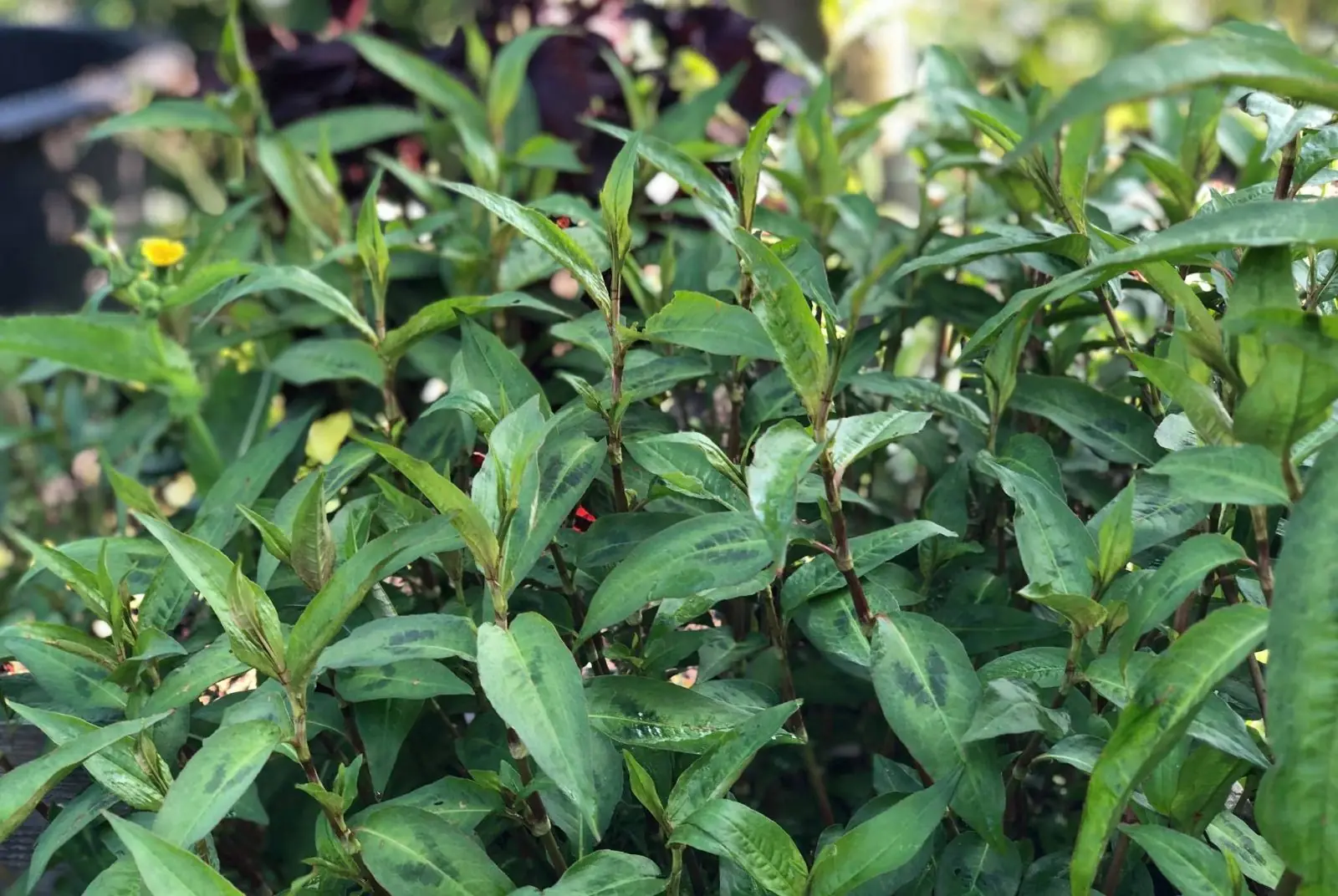
Why You Should Grow Vietnamese Coriander (Rau Răm) in Your House
Vietnamese coriander, also known as Rau Răm, is a versatile herb commonly used in Southeast Asian cooking. It has a unique, slightly spicy and peppery flavor, often used in dishes like pho or fresh salads. If you're looking to grow a useful and aromatic plant indoors, this one is an excellent choice, especially for those with limited space.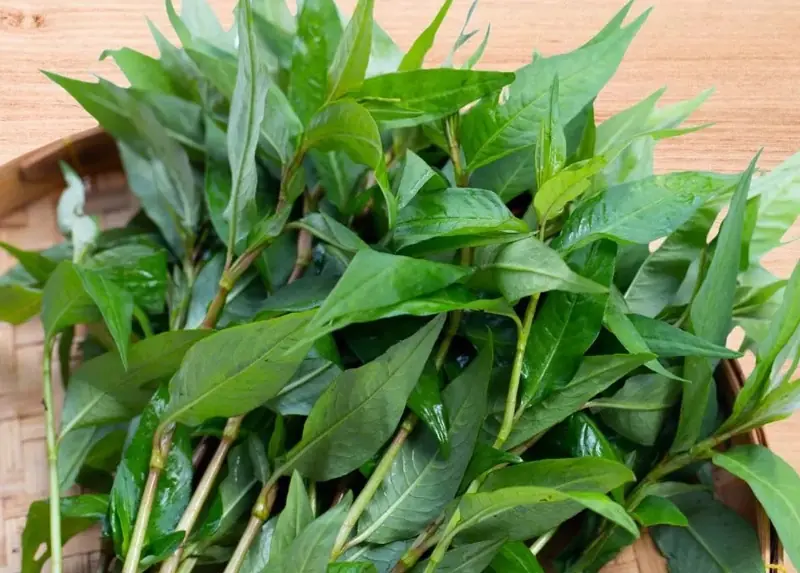
Benefits of Growing Vietnamese Coriander Indoors
-
Easy to Grow in Small Spaces Vietnamese coriander is a hardy plant that can thrive in small pots or containers, making it ideal for homes with limited space. It doesn't require a large garden to grow and can flourish indoors with proper care.
-
Adds Fresh Flavor to Dishes Growing this herb in your house ensures a constant supply of fresh, aromatic leaves. You can add it to soups, salads, and stir-fries, enhancing the flavor of your meals with a vibrant and peppery twist.
-
Health Benefits Vietnamese coriander is known for its health benefits, particularly in traditional medicine. It’s believed to have anti-inflammatory properties, aid digestion, and support immune health. Having a fresh supply of this herb on hand can be an easy way to incorporate natural health remedies into your routine.
-
Minimal Maintenance This plant is relatively low-maintenance. It thrives in warm, humid environments with partial sunlight, making it suitable for indoor conditions. Just ensure it has well-draining soil, and water it regularly. It can also tolerate some shade, making it perfect for indoor spaces that don’t get too much direct sunlight.
-
Air-Purifying Qualities Like many indoor plants, Vietnamese coriander can contribute to improving indoor air quality. Plants naturally absorb carbon dioxide and release oxygen, helping to maintain a healthier living environment.
How to Grow Vietnamese Coriander Indoors
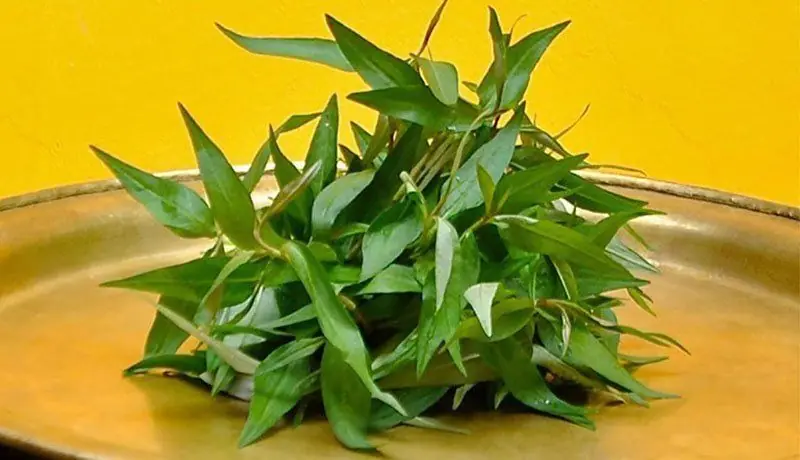
- Light: Place the plant in a location with indirect sunlight. It can tolerate partial shade, but it thrives in bright, indirect light.
- Watering: Water regularly, but make sure the soil doesn’t become soggy. Vietnamese coriander prefers slightly moist soil.
- Potting: Use a pot with good drainage. Vietnamese coriander is best suited to containers with loose, well-draining soil.
- Harvesting: You can harvest the leaves as soon as the plant has grown enough. Simply snip the leaves from the top to encourage further growth.
Conclusion
No matter how small your house is, growing Vietnamese coriander is a great way to enjoy fresh herbs while improving the air quality and adding flavor to your dishes. Whether you’re a cooking enthusiast or just looking for a plant that’s easy to care for, this herb is a perfect addition to any indoor garden.