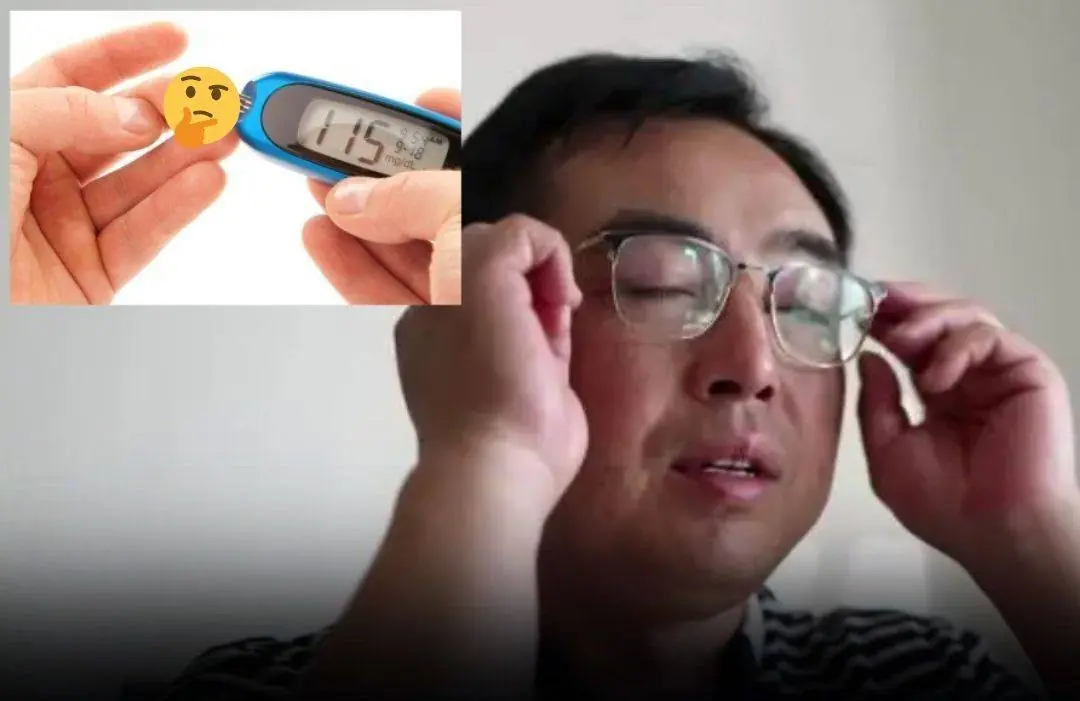
4 Eye Changes You Should Never Ignore — They May Signal Elevated Blood Sugar Levels
Many people think diabetes only affects blood sugar, appetite, or energy.
But one of the earliest — and most overlooked — warning signs often appears right in the eyes.
Because the eyes contain tiny, delicate blood vessels that respond quickly to changes in glucose levels, they can reveal problems long before other symptoms show up.
While these signs do not diagnose diabetes, they may indicate that your blood sugar is consistently running too high — and it’s worth getting checked early.
Here are four eye-related characteristics that may signal uncontrolled blood sugar.
1. Blurry or fluctuating vision
One of the most common early eye symptoms of high blood sugar is blurry vision that comes and goes.
When blood glucose rises, excess sugar pulls fluid into the lens of the eye.
This causes:
• temporary swelling
• changes in focus
• inconsistent vision throughout the day
You may notice:
• difficulty reading
• trouble seeing clearly after meals
• needing to adjust your glasses more often
The key point: blurred vision that changes rapidly is a classic early warning sign of abnormal blood sugar, not just a need for new glasses.
If this symptom appears suddenly, especially alongside thirst or fatigue, it’s worth checking your glucose levels.
2. Eye dryness, irritation, or a “gritty” feeling
People with elevated blood sugar often produce fewer tears.
This reduces natural eye lubrication, leading to:
• dryness
• burning sensations
• red or irritated eyes
• the feeling that something is stuck in the eye
Chronic dryness can affect your ability to focus and may worsen at night or after screen time.
Diabetes-related nerve changes can also reduce blinking, which makes dryness even more noticeable.
While dry eyes can come from weather, allergies, or long hours on devices, persistent dryness may be linked to fluctuating glucose.
3. Increased floaters or dark spots in your vision
Floaters — small specks or thread-like shadows — are common and usually harmless.
But a sudden increase in floaters, flashes of light, or areas of dim vision may suggest changes in the retina.
High blood sugar can weaken the tiny vessels at the back of the eye, causing:
• micro-bleeding
• swelling
• reduced blood flow
This condition is known as diabetic retinopathy, one of the leading causes of vision loss worldwide.
You should seek medical evaluation immediately if you notice:
• a sudden cluster of floaters
• light flashes
• a “curtain” over part of your vision
These symptoms don’t mean you have diabetes — but they do require urgent eye care.
4. Difficulty adjusting between light and dark environments
If you find yourself needing extra time to adapt when:
• walking into a dark room
• stepping outside into bright sunlight
• driving at night
• moving between indoor and outdoor lighting
this may point to problems with the retina or optic nerve.
High blood sugar can damage the cells responsible for light perception.
Over time, this can make transitions between bright and dim environments slower and more uncomfortable.
People often describe it as:
• “my eyes can’t keep up with the light”
• “I’m temporarily blinded when I go outside”
• “night driving has become harder”
This is one of the subtler but important signs to pay attention to.
Why eye symptoms matter
The eyes are one of the first organs affected by elevated blood sugar because they contain extremely fine blood vessels.
Even mild, prolonged elevations can trigger:
• swelling
• leakage
• reduced oxygen supply
• nerve irritation
Catching these changes early can prevent long-term vision problems and detect blood sugar issues before they become serious.