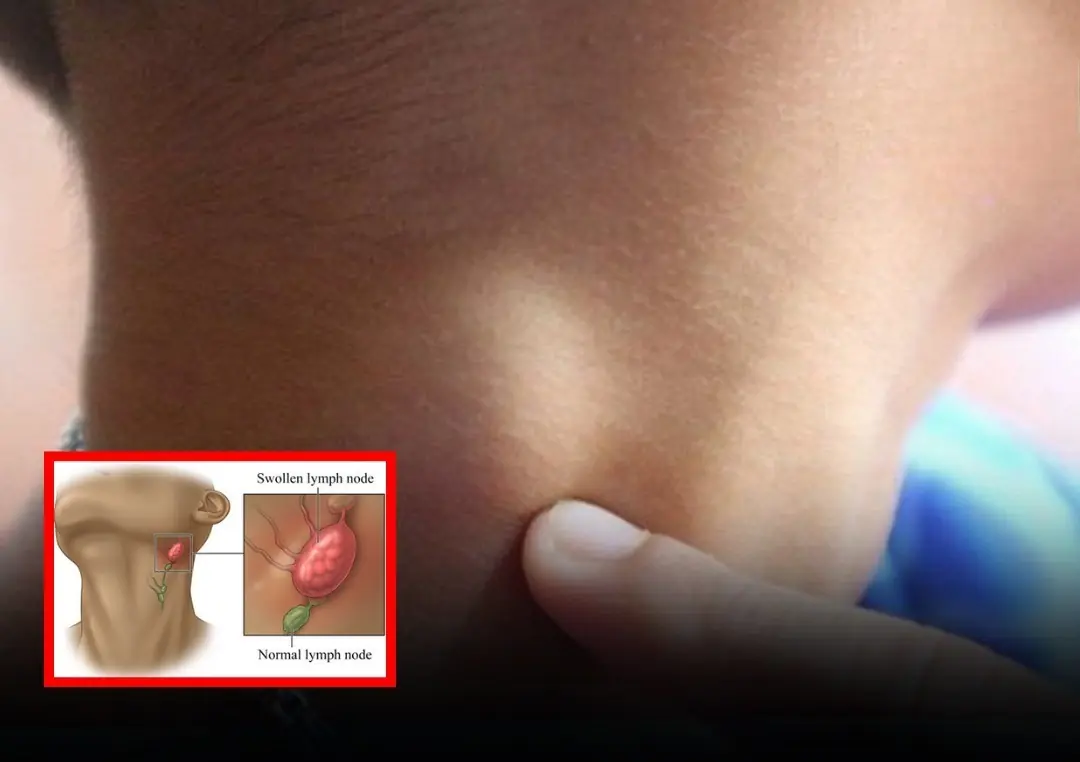
Swollen Lymph Nodes in the Neck — Here’s When You Need to Worry
Finding a swollen lymph node in your neck can be alarming, especially when you’re unsure what caused it.
Most of the time, swollen lymph nodes are a normal immune response — a sign that your body is fighting infections, inflammation, or irritants.
However, there are certain situations where swelling can indicate something more serious.
Understanding the difference is the key to knowing whether to stay calm or seek medical attention.
Below are the most common causes of swollen lymph nodes and the warning signs that should never be ignored.
1. What Lymph Nodes Actually Do
Lymph nodes are small, bean-shaped glands located throughout your body.
Their job is to:
• filter harmful substances
• trap bacteria and viruses
• activate immune cells
• help fight infection
When your immune system is working hard, lymph nodes enlarge — especially in the neck, since this area drains the throat, ears, sinuses, and mouth.
This swelling is usually temporary and harmless.
2. Common and Harmless Causes of Swollen Lymph Nodes
a. Viral infections
Colds, flu, COVID-19, and sore throat viruses commonly cause nodes to swell.
These nodes are often:
• soft
• tender
• movable
• accompanied by fever or fatigue
They shrink back as the infection clears.
b. Bacterial infections
Strep throat, ear infections, or sinus infections can make neck nodes grow quickly.
You may notice:
• pain when touching the area
• redness or warmth
• swollen tonsils
Antibiotics may be needed.
c. Dental or gum inflammation
Tooth abscesses, gum disease, or impacted teeth can trigger swelling in nearby nodes.
d. Skin infections
Infected cuts, acne cysts, or insect bites on the scalp or neck can cause localized swelling.
e. Immune reactions
Allergies, autoimmune flares, or even vaccination can temporarily enlarge lymph nodes.
These causes are generally not dangerous and tend to resolve as the underlying issue improves.
3. When Swollen Lymph Nodes Become Concerning
Although most cases are benign, certain characteristics may indicate a more serious problem.
Here’s when you should pay close attention:
a. Swelling lasting longer than 3 weeks
Nodes that stay enlarged for weeks without improvement may signal a deeper issue.
b. Hard, fixed, or non-movable nodes
Cancer-related lymph nodes are often:
• firm like a stone
• not painful
• stuck in place under the skin
c. Rapid growth without signs of infection
A node that enlarges quickly with no fever, sore throat, or cold symptoms requires evaluation.
d. Night sweats, fever, or unexplained weight loss
These “B-symptoms” may accompany conditions like lymphoma or chronic infection.
e. Swelling on only one side of the neck
Unilateral swelling can result from infections — but persistent, painless swelling needs assessment.
f. Nodes in unexpected locations
Supraclavicular nodes (above the collarbone) are especially concerning when swollen.
g. Difficulty swallowing or breathing
This suggests that the swelling is pressing on nearby structures — a medical urgency.
4. Serious Conditions Linked to Persistent Lymph Node Swelling
Though less common, persistent swollen lymph nodes can be linked to:
• lymphoma
• leukemia
• chronic infections like tuberculosis
• autoimmune diseases
• thyroid cancers
• metastatic cancers from nearby structures
Again, these are less frequent but important to rule out if symptoms persist.
5. What You Should Do at Home
If you notice swollen lymph nodes but also have cold, flu, or sore-throat symptoms, you can:
• stay hydrated
• use warm compresses
• take anti-inflammatory medication
• rest
• treat the underlying infection
Nodes typically shrink over days or weeks.
Monitor the swelling — size, tenderness, and changes matter.
6. When to See a Doctor Immediately
Seek medical attention if you experience:
• swelling lasting over 2–3 weeks
• nodes that keep growing
• no obvious infection or illness
• persistent fever
• night sweats
• unexpected weight loss
• difficulty breathing
• changes in voice or swallowing
A simple examination, blood test, or imaging scan usually gives clear answers.
Bottom Line
Swollen lymph nodes in the neck are usually a normal immune response — your body’s way of saying, “I’m working.”
But persistent, firm, painless, or unexplained swelling can indicate something that deserves medical evaluation.
Knowing the difference helps you take action early, stay calm when it’s harmless, and get checked when it truly matters.