The 4 Chicken Parts You Should Handle Carefully — Not Because They Are “Toxic,” But Because They Carry Higher Contamination Risks
Chicken is one of the most widely consumed meats in the world — affordable, versatile, and rich in protein.
But raw chicken can also harbor harmful bacteria and parasites if it is improperly stored, mishandled, or undercooked.
No part of a chicken is inherently “toxic,” but some parts carry a higher risk of contamination and therefore require extra caution.
Understanding these risks doesn’t mean avoiding these chicken parts — it simply means preparing them safely to protect your health.
Here are the four chicken parts people should handle with particular care.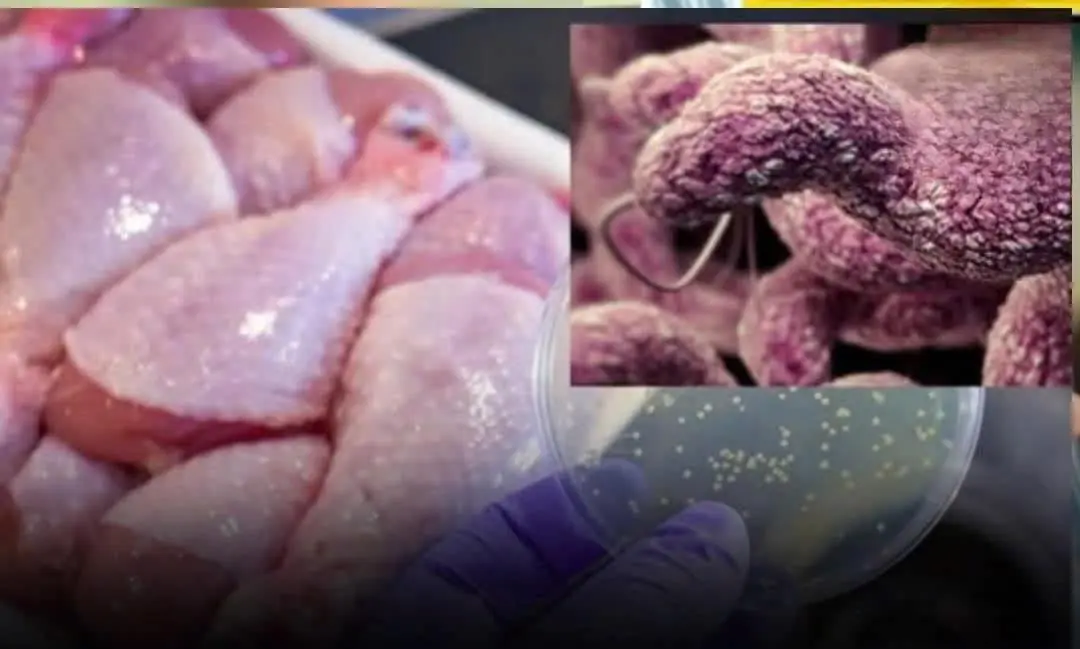
1. Chicken Skin – A Common Source of Bacteria and Parasites
Chicken skin contains more fat, more moisture, and more crevices than most people realize.
This makes it an ideal environment for harmful organisms, especially if the chicken is not fresh or is stored incorrectly.
Potential risks include:
• Campylobacter
• Salmonella
• surface parasites in low-quality poultry
The uneven texture of the skin can trap bacteria that survive superficial rinsing.
This is why washing chicken before cooking isn’t recommended — it spreads bacteria around your kitchen instead of removing them.
The solution: cook chicken skin thoroughly until crispy or well-done. Heat kills the bacteria effectively.
2. Chicken Gizzards and Organs – High Nutrient, Higher Risk if Not Fresh
Organ meats like gizzards, liver, and heart are nutrient-rich but spoil faster than muscle meat.
They can harbor higher microbial loads because they process waste, blood, and nutrients inside the bird.
When not fresh, they may contain:
• E. coli
• Salmonella
• harmful microbes that multiply rapidly in warm temperatures
Organ meats must be cooked completely — no pink, no undercooked sections.
Raw or half-cooked gizzards are one of the top causes of foodborne illness in some regions.
Proper handling: buy from reliable sources, refrigerate immediately, and cook thoroughly.
3. Chicken Intestines – Only Safe When Properly Cleaned
In some cultures, chicken intestines are delicacies.
However, they require extremely careful cleaning because they naturally contain:
• undigested food
• waste residue
• bacteria from the digestive tract
When poorly cleaned, they can carry dangerous pathogens or parasites.
This doesn’t mean intestines are “toxic” — it means the cleaning process must be meticulous.
Safe preparation includes:
• repeated washing
• removing the inner lining
• boiling before stir-frying or grilling
Once well-cleaned and thoroughly cooked, intestines can be safe to eat.
4. Chicken Feet – Harmless When Boiled, Risky When Not Sanitized
Chicken feet are popular for soups and snacks, but their rough surface and tiny crevices make them harder to clean.
Dirt, fecal matter, and environmental contaminants may remain trapped if not scrubbed properly.
Common risks include:
• Salmonella
• Staphylococcus aureus
• environmental bacteria
Commercially processed chicken feet are usually cleaned well, but backyard poultry requires extra attention.
Best practice: soak, scrub, remove the outer yellow skin, and cook until fully softened.
So… are these chicken parts actually “toxic”?
No.
They only become dangerous when:
• the chicken is not fresh
• it is stored at the wrong temperature
• it is cross-contaminated in the kitchen
• it is undercooked
• it is not cleaned properly (especially organs and intestines)
Foodborne illnesses come from bacteria and parasites, not from the chicken parts themselves.
How to Keep Your Chicken Safe — No Matter Which Part You Eat
1. Cook to the correct temperature
Chicken must reach 165°F (74°C) internally to kill harmful organisms.
2. Avoid washing raw chicken
This spreads bacteria around your sink, utensils, and countertop.
3. Use separate cutting boards for raw poultry
Cross-contamination is one of the top causes of food poisoning.
4. Store chicken properly
Refrigerate at ≤4°C and freeze if not used within 24 hours.
5. Buy from trusted suppliers
Low-quality or unrefrigerated chicken has a far higher risk of contamination.
Bottom Line
There are no “toxic” chicken parts — only chicken parts that require more careful cleaning and cooking.
Skin, organs, intestines, and feet can all be safe and delicious when properly handled.
What’s dangerous isn’t the part itself — it’s poor food hygiene.