Parasites can hide in everyday foods, and in some cases, even high heat isn’t enough to eliminate them completely. Despite the risks, many people continue to consume these foods without proper preparation — increasing the chance of stomach infections, diarrhea, and more serious complications.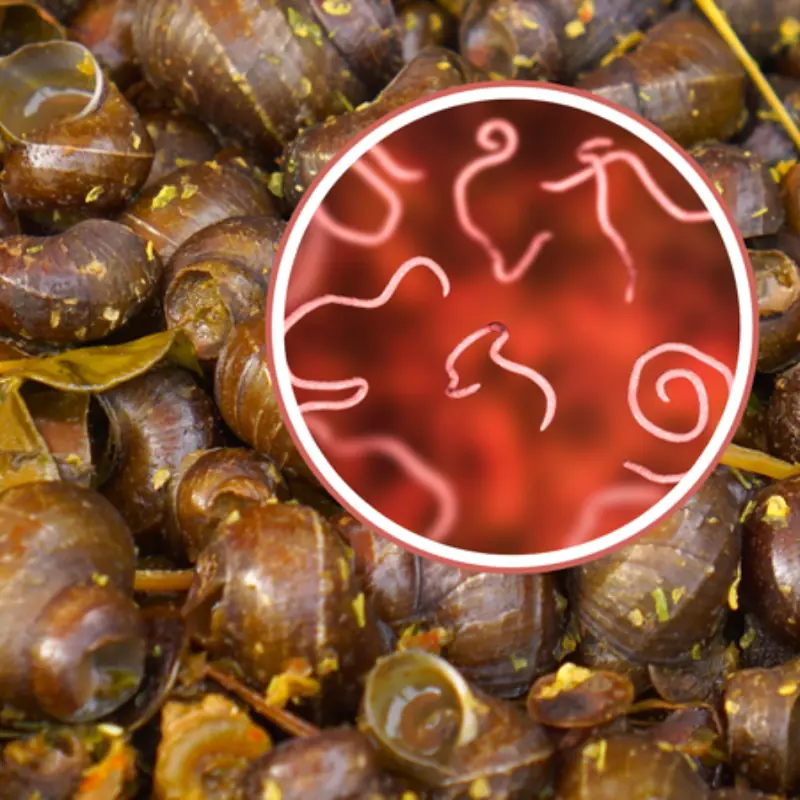
Here are four foods most likely to contain parasites that you should handle with extreme caution.
1. Raw or undercooked freshwater fish
Freshwater fish such as carp, tilapia, snakehead, and catfish often carry liver flukes, tapeworms, and roundworms.
Why it’s dangerous:
Some parasite eggs can survive brief exposure to boiling water or quick cooking. Eating fish in salads, fermented dishes, or lightly cooked meals greatly increases infection risk.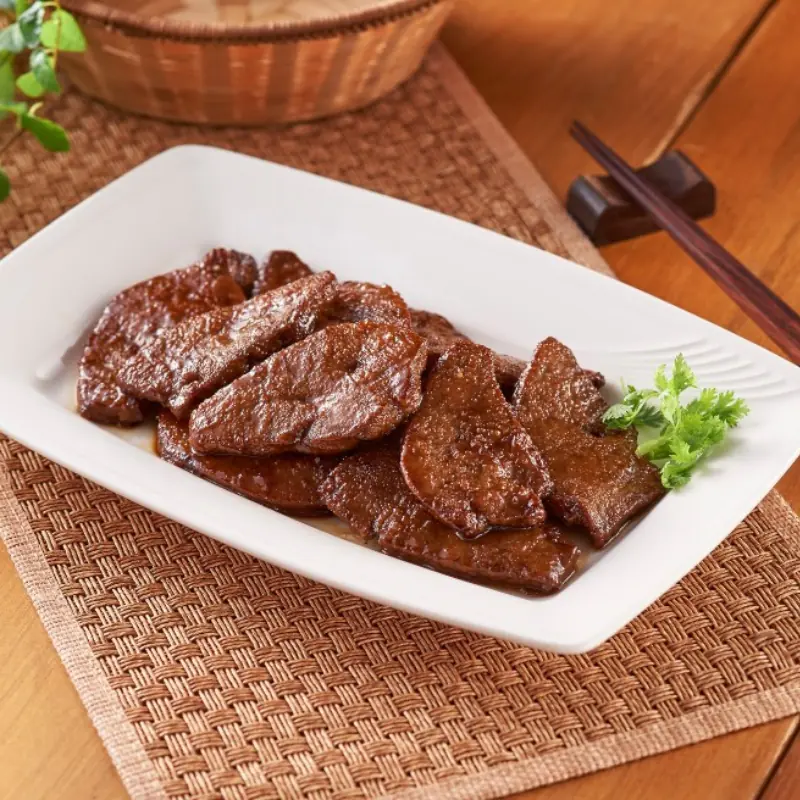
How to stay safe:
Cook fish thoroughly, avoid raw fish dishes from unknown sources, and freeze at proper temperatures before preparation.
2. Raw vegetables grown near untreated water sources
Leafy vegetables like lettuce, water spinach, pennywort, or herbs washed with contaminated water may carry parasite eggs and larvae.
Why it’s dangerous:
Parasite eggs cling tightly to leaves. A quick rinse — or even boiling water poured over the surface — may not be enough to remove them completely.
How to stay safe:
Wash thoroughly with salt water or specialized vegetable cleaners; avoid eating raw vegetables from questionable environments.
3. Freshwater snails and shellfish
Snails, clams, and mussels living in stagnant or polluted freshwater are common carriers of liver flukes and other parasites.
Why it’s dangerous:
Parasites can survive inside shells even after short cooking times. Many people, however, enjoy them half-cooked or in lightly boiled dishes.
How to stay safe:
Always cook shellfish until fully opened and firm. Avoid dishes where the meat remains translucent.
4. Pork that isn’t cooked all the way through
Undercooked pork can contain tapeworm larvae and a range of parasitic eggs invisible to the naked eye.
Why it’s dangerous:
Pink or semi-raw pork retains moisture that protects parasites from heat. Grilled or stir-fried pork that looks “done on the outside” may still hide active larvae inside.
How to stay safe:
Ensure pork reaches safe internal temperatures and avoid rare or undercooked pork dishes.
The Bottom Line
Parasites are invisible but persistent. Some survive boiling water, brief cooking, or improper washing — meaning the only true protection is proper hygiene and thorough preparation. Before enjoying these everyday foods, make sure they’re cleaned and cooked the right way to keep your family safe.