The Most Dangerous Food on Earth? The Truth About Cassava — Why Millions Eat It Safely While Hundreds Fall Ill Each Year
At first glance, cassava looks harmless — a simple root vegetable enjoyed by millions around the world.
It’s inexpensive, filling, and forms the backbone of traditional diets in Africa, Asia, and South America.
But beneath its plain appearance lies one of the most misunderstood food risks on Earth:
cassava naturally contains cyanogenic compounds that can turn into cyanide if the root is not prepared correctly.
This does not mean cassava is inherently deadly.
Instead, the real danger comes from improper processing — something that still affects rural communities and areas facing food shortages.
Understanding how cassava becomes dangerous is essential to preventing illness and protecting those who rely on it every day.
1. Why cassava contains natural toxins
Cassava plants produce chemicals called cyanogenic glycosides, mainly linamarin.
When the plant tissue is damaged — for example by peeling, chewing, or crushing — these compounds can convert into hydrogen cyanide, a fast-acting toxin.
In small amounts, the body can detoxify cyanide.
But when cassava is eaten raw, underprocessed, or in large quantities, the toxin can overwhelm the system.
This is why no one should ever eat raw cassava.
2. Not all cassava is equally risky
There are two main types:
• Sweet cassava
Contains low levels of cyanogenic compounds.
Safe when peeled and cooked thoroughly.
• Bitter cassava
Contains much higher toxin levels.
Common in drought-prone regions because it resists pests and harsh climates — but it must undergo soaking, fermenting, drying, or grinding to remove toxins.
Most severe poisoning cases come from bitter cassava processed in unsafe or rushed ways.
3. Why people still get sick — the real causes
Hundreds of cases of cassava poisoning are reported globally each year, especially in rural areas.
But the root cause is rarely the cassava itself — it is the circumstances:
• Drought
Low rainfall increases toxin concentration in the roots.
• Food shortages
People may skip processing steps out of desperation.
• Lack of education
Communities may not know the plant requires careful detoxification.
• Poor food storage
Improper drying or fermenting allows toxins to remain in the final product.
These conditions create a perfect storm for health risks.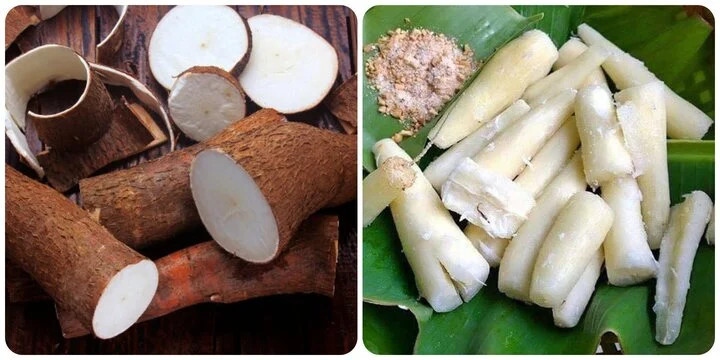
4. Symptoms of cassava (cyanide) poisoning
Cyanide affects the brain, heart, and oxygen delivery.
Symptoms can appear within minutes or hours:
• headache
• dizziness
• confusion
• vomiting
• abdominal pain
• rapid breathing
• muscle weakness
Severe poisoning can lead to:
• paralysis
• respiratory failure
• coma
In long-term, low-dose exposure — common in communities relying heavily on poorly processed cassava — cyanide can cause konzo, a permanent paralysis syndrome affecting children and young women.
5. So why do millions continue to eat cassava?
Because properly processed cassava is completely safe.
Traditional methods remove nearly all cyanide:
• Peeling
Most toxins are in the outer layers.
• Soaking
Roots soaked in water for 24–72 hours release cyanide into the water.
• Fermentation
Breaks down toxic compounds naturally.
• Drying or sun-exposing
Evaporation helps remove volatile cyanide.
• Boiling, steaming, frying
Heat destroys remaining traces.
In countries like Brazil, Thailand, and Vietnam — major cassava producers — poisoning is rare because modern processing and cooking methods remove the danger completely.
Millions eat cassava every day without a problem because they follow these traditional safety steps.
6. The misconception: “Cassava is the most dangerous food on Earth”
Cassava only becomes dangerous when people:
• eat it raw
• fail to soak or ferment it
• rely solely on bitter cassava during drought
• ignore the drying/boiling steps
It’s not the food that is inherently deadly — it’s the processing mistakes.
This is similar to:
• kidney beans containing lectins (toxic unless cooked)
• pufferfish requiring expert preparation
• certain mushrooms being toxic if misidentified
The key is knowledge, not fear.
7. How to keep cassava safe at home
For everyday cooking:
• Peel the cassava thoroughly
• Remove the thick skin and inner pinkish layer
• Boil until completely soft
• Never taste cassava before cooking
• Discard soaking water
• Avoid eating bitter varieties unless fully processed
When prepared properly, cassava is just as safe as rice or potatoes.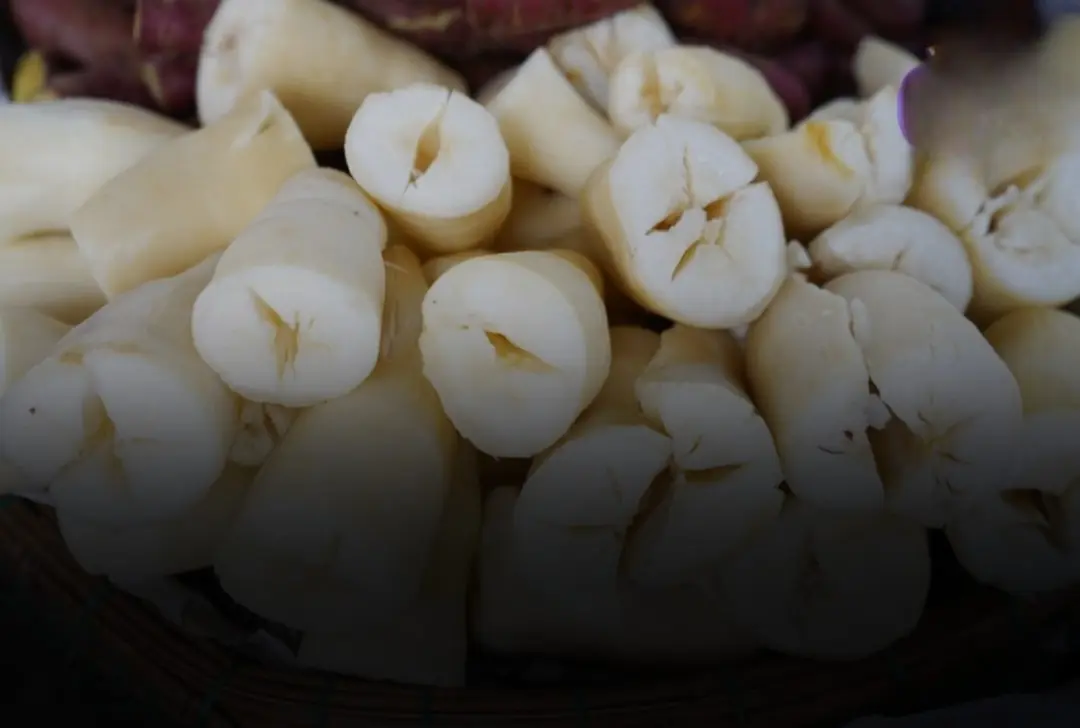
Bottom line
Cassava has an intimidating reputation, but the truth is simple:
Cassava is only dangerous when processed incorrectly.
When prepared the right way, it is a safe, nutritious, and essential food for millions of families worldwide.
The goal isn’t to avoid cassava — it’s to understand how to handle it safely.