What Your Blood Type May Reveal About Your Health
Many people only think about blood type during medical emergencies or blood donations. However, researchers say your blood type may also be linked to certain health risks and conditions. Scientists continue studying how blood groups influence immunity, circulation, inflammation, and disease susceptibility.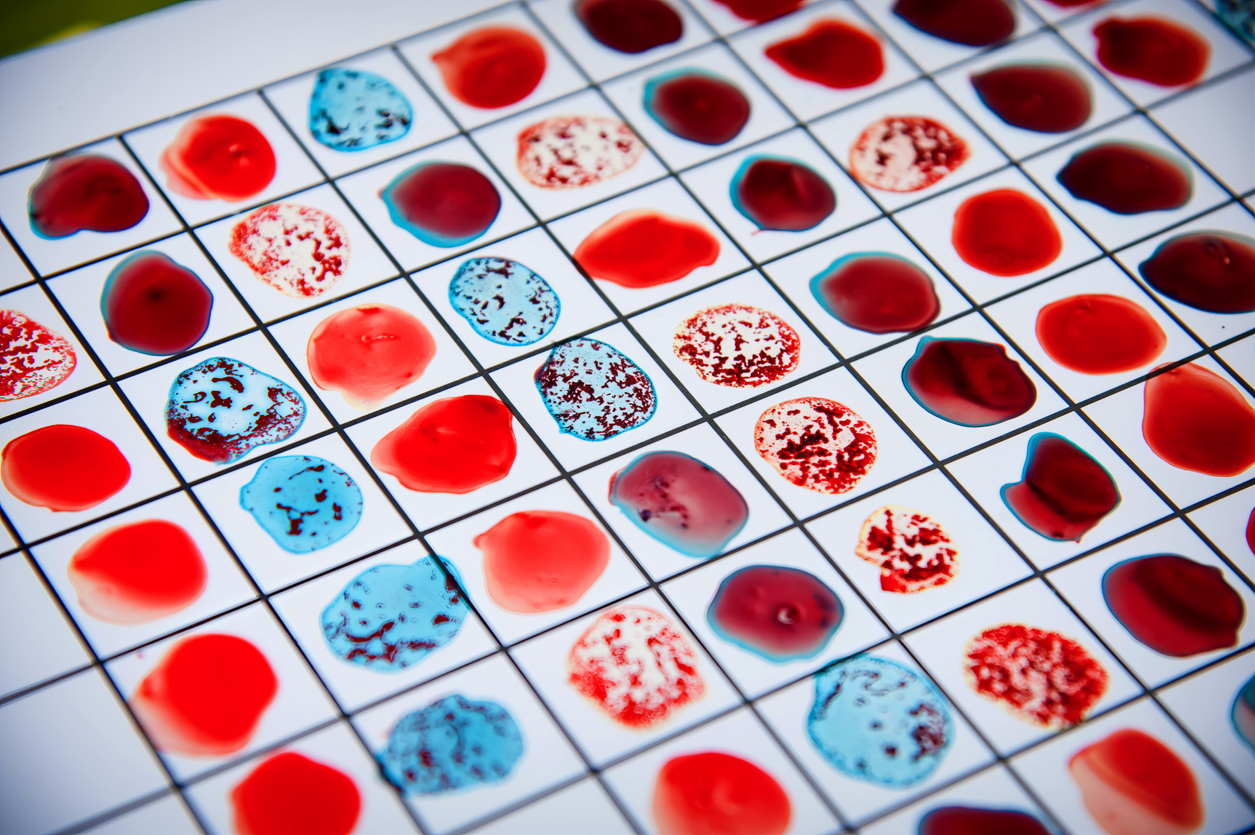
There are four main blood types — A, B, AB, and O — along with positive or negative Rh factors. These blood types are determined by inherited antigens found on red blood cells.
While experts stress that blood type alone does not determine your future health, studies have found some interesting associations.
Type A Blood
Research suggests people with type A blood may have a slightly higher risk of stomach cancer, blood clotting issues, and heart disease compared to people with type O blood. Some studies also link type A blood to higher stress hormone levels and increased inflammation.
Type B Blood
People with type B blood may have a somewhat higher risk of cardiovascular disease compared to type O. However, some studies suggest they may have lower risk for certain infections and conditions. Researchers are still investigating the exact reasons behind these differences.
Type AB Blood
Experts say type AB blood is often associated with higher risks of inflammation, blood clots, memory problems, and stroke. Some studies suggest people with AB blood may have increased clotting factors in their blood, which could partly explain these risks.
Type O Blood
Studies suggest people with type O blood may have a slightly lower risk of heart disease, blood clots, and some cancers compared to non-O blood groups. However, type O may also be linked to a greater tendency for ulcers and bleeding disorders in certain situations.
Blood Type and Personality? Experts Say Be Careful
In some countries, especially Japan and South Korea, there is a popular belief that blood type influences personality traits. However, scientists say there is no reliable scientific evidence proving that blood type determines behavior or character.
Lifestyle Still Matters Most
Doctors emphasize that genetics are only one part of overall health. Diet, exercise, sleep, stress management, smoking, and regular medical checkups play a much larger role in disease prevention than blood type alone.
Health experts recommend learning your blood type because it can be important for medical care, emergencies, surgeries, pregnancy, and blood transfusions.