IBS can cause abdominal pain, bloating, diarrhea, constipation, or alternating bowel patterns without necessarily causing structural damage to the colon.
Infections
Certain intestinal infections can cause diarrhea, abdominal cramps, fever, mucus, or blood in the stool.
Inflammatory Bowel Disease
Conditions such as Crohn's disease and ulcerative colitis can cause persistent diarrhea, abdominal pain, rectal bleeding, fatigue, and weight loss.
Diverticular Disease
Diverticula are small pouches that can develop in the colon. They may sometimes cause abdominal symptoms, inflammation, or bleeding.
This is why self-diagnosis based on a single symptom can be misleading.
The goal is not to assume the worst. The goal is to recognize persistent or concerning changes and investigate them appropriately.
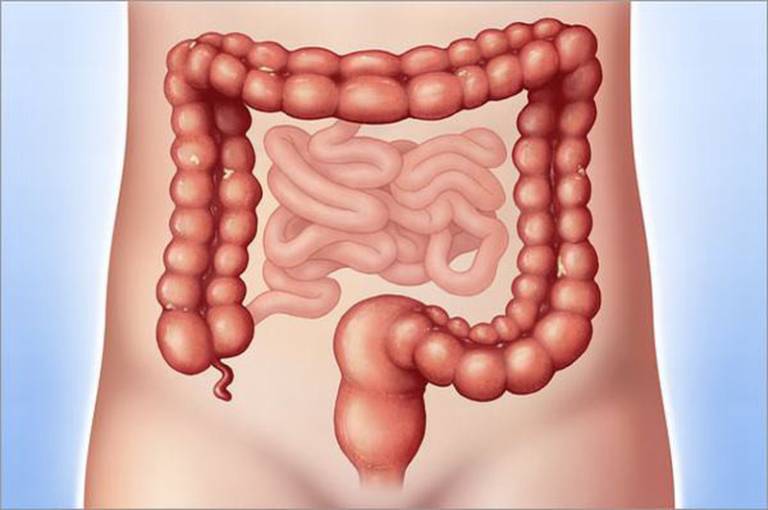
Why Early Evaluation Matters
Many people delay medical evaluation because they hope symptoms will disappear on their own.
Sometimes they do.
But persistent symptoms can provide an opportunity to identify a problem earlier, when treatment may be easier.
Colorectal cancer is particularly important in this context because early disease may cause few or no symptoms.
This is why screening is different from diagnostic testing.
Screening is performed in people who may feel perfectly healthy, while diagnostic testing is used when someone has symptoms that need investigation.
Depending on your age, personal risk factors, family history, and symptoms, a healthcare professional may recommend different forms of evaluation.
These can include:
-
Medical history and physical examination
-
Blood tests
-
Stool testing
-
Stool-based colorectal cancer screening
-
Colonoscopy
-
Imaging studies
-
Other gastrointestinal tests when appropriate
A colonoscopy can allow a clinician to directly examine the lining of the colon and remove certain polyps during the same procedure.
What Are Colon Polyps?
Colon polyps are growths that develop on the inner lining of the colon or rectum.
Many polyps are harmless, but some types can gradually develop into colorectal cancer over time.
This is one reason screening can be valuable: some precancerous polyps can be detected and removed before they become cancerous.
Importantly, most colon polyps do not cause obvious symptoms.
A person can feel completely healthy and still have a polyp.
That is why relying only on symptoms is not an effective substitute for age- and risk-appropriate colorectal cancer screening.
Who May Have a Higher Risk?
The risk of colorectal disease varies between individuals.
Factors that may increase risk include:
-
Increasing age
-
A personal history of colorectal polyps
-
Previous colorectal cancer
-
A family history of colorectal cancer or certain types of polyps
-
Certain inherited genetic conditions
-
Inflammatory bowel disease
-
Smoking
-
Heavy alcohol consumption
-
Physical inactivity
-
Overweight or obesity
-
A diet high in processed meat and low in fiber-rich foods
Having a risk factor does not mean you will develop colorectal cancer.
Likewise, having no obvious risk factors does not guarantee that you are protected.
That is why screening recommendations are based on both average risk and individual risk.
Don't Ignore Changes Just Because You're Young
Colorectal problems are often associated with older adults, but younger people can also experience significant gastrointestinal disease.
Symptoms such as rectal bleeding, persistent bowel changes, unexplained weight loss, or ongoing abdominal pain should not automatically be dismissed because someone is young.
At the same time, younger age means there are many possible explanations besides cancer.
The appropriate response is not panic.
It is evaluation.
What You Can Do to Support Colon Health
There is no single food or supplement that guarantees protection against colon disease.
Instead, focus on overall lifestyle patterns.
Eat More Fiber-Rich Foods
Fiber is found in foods such as:
-
Vegetables
-
Fruits
-
Beans
-
Lentils
-
Whole grains
-
Nuts and seeds
Increase fiber gradually if your current diet is low in fiber, and drink enough fluids to support comfortable bowel movements.
Limit Processed Meat
Processed meats such as bacon, sausages, hot dogs, and other cured or preserved meats are best consumed in moderation.
This does not mean you must eliminate every food you enjoy.
Overall dietary pattern matters more than a single meal.
Stay Physically Active
Regular physical activity supports cardiovascular health, metabolic health, and healthy bowel function.
Even consistent walking can be a useful starting point for someone who is currently inactive.
Maintain a Healthy Weight
Excess body weight is associated with increased risk of several chronic diseases, including colorectal cancer.
Healthy weight management is generally more sustainable when based on gradual dietary and lifestyle changes rather than extreme diets.
Avoid Smoking
Smoking affects nearly every major organ system and is associated with numerous cancers and chronic diseases.
Quitting can provide health benefits at virtually any age.
Moderate Alcohol Consumption
Alcohol consumption is associated with increased risk of several cancers, including colorectal cancer. Reducing consumption can therefore be an important part of a broader cancer-prevention strategy.
When Should You Seek Medical Attention?
Make an appointment with a healthcare professional if you experience:
-
Persistent changes in bowel habits
-
Recurrent blood in your stool
-
Unexplained weight loss
-
Persistent abdominal pain
-
Ongoing diarrhea or constipation
-
Repeated changes in stool appearance
-
Persistent mucus in the stool
-
A continuing feeling of incomplete bowel evacuation
-
Unexplained iron-deficiency anemia
-
Symptoms that are getting progressively worse
Seek urgent medical attention for symptoms such as heavy rectal bleeding, fainting, severe or rapidly worsening abdominal pain, persistent vomiting, severe weakness, or other signs of a potentially serious acute illness.

The Bottom Line
Your bowel habits are part of your body's normal communication system.
A temporary change in stool consistency, an occasional episode of constipation, or a little bloating after a large meal usually does not mean something is seriously wrong.
But persistent or unexplained changes deserve attention.
Six signs that may be associated with a colon problem include:
-
A persistent change in bowel habits
-
Blood in the stool
-
Ongoing abdominal pain or cramping
-
Persistent changes in stool appearance
-
Unexplained weight loss or fatigue
-
A continuing feeling that you need to have a bowel movement
None of these symptoms automatically means colon cancer. Many have much more common explanations.
The important lesson is not to diagnose yourself based on a symptom—but to recognize when your normal pattern has changed and give your body enough attention to determine why.
When a digestive symptom persists, keeps returning, or appears alongside other warning signs, getting it checked is often far more useful than simply hoping it will disappear.