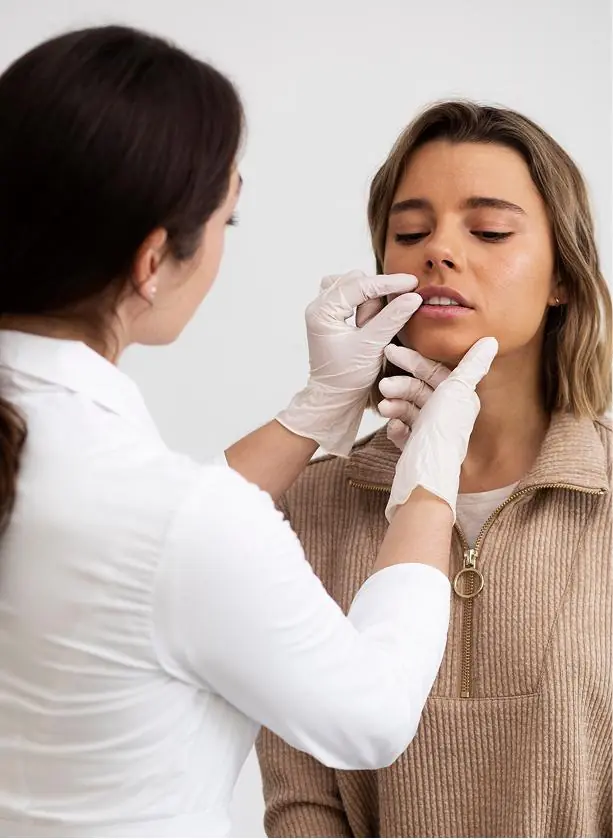
Small Bumps on the Lips or Private Area? What They Could Mean and When to Seek Medical Advice
Small skin bumps can have many causes—know when they deserve attention.
Health 07/08/2026 01:06
For millions of people, the morning doesn’t truly begin until they’ve had their first cup of coffee. Some drink it immediately after waking up, sometimes before eating anything at all.
But what happens when you drink coffee on an empty stomach?
The answer isn’t simply “good” or “bad.” Coffee can have several potential benefits, but drinking it before breakfast may affect different people in different ways. Here’s what you should know.
One of the best-known effects of coffee comes from caffeine, a natural stimulant that can temporarily increase alertness and reduce feelings of tiredness.
For people who wake up feeling sluggish, a morning cup of coffee may help them feel more awake and focused. This can be especially noticeable when coffee is consumed shortly after waking.
Coffee contains caffeine but very few calories when consumed black. Caffeine can stimulate the central nervous system, helping you feel more energetic and mentally ready for the day.
However, coffee doesn’t replace food. If you’re genuinely hungry or lacking energy because you haven’t eaten, a balanced breakfast provides nutrients that coffee alone cannot supply.
Research suggests that caffeine can temporarily increase energy expenditure and stimulate the breakdown of fat.
That doesn’t mean drinking coffee on an empty stomach automatically causes weight loss. Body weight is influenced by overall calorie intake, physical activity, sleep, diet and many other factors.
So, coffee may be a small part of a healthy routine—but it isn’t a magic weight-loss drink.
Caffeine can improve certain aspects of attention, vigilance and reaction time, particularly when you're tired.
That’s one reason many people reach for coffee before work or other mentally demanding activities.
Still, more coffee isn’t necessarily better. Large amounts of caffeine can cause restlessness, anxiety, headaches or difficulty sleeping in sensitive individuals.
Have you ever noticed that you need to use the bathroom soon after drinking your morning coffee?
You’re not imagining it.
Coffee can stimulate contractions in the digestive tract and may encourage bowel movements in some people. This effect appears to involve more than caffeine alone, since both caffeinated and decaffeinated coffee can have digestive effects.
This is where things become important.
Although many people can drink coffee before eating without any problems, others may experience:
Coffee can stimulate stomach acid secretion, and caffeine may relax the lower esophageal sphincter in some people, potentially making reflux symptoms worse.
If you regularly experience burning or discomfort after drinking coffee before breakfast, having it with food may be worth trying.
Not necessarily.
If you drink a moderate amount of coffee before eating and feel perfectly fine, there may be no need to change your routine simply because you haven’t eaten yet.
However, if coffee on an empty stomach consistently causes discomfort, try drinking it after a meal or alongside a small snack.
You can also experiment with a smaller serving, less concentrated coffee, or decaffeinated coffee to see whether your symptoms improve.
Some people believe you should never drink coffee immediately after waking because of natural changes in cortisol.
The reality is more nuanced. Cortisol naturally rises around the time you wake up, but this doesn’t mean your morning coffee is automatically harmful or ineffective.
The most important consideration is how caffeine affects your energy, digestion, anxiety and sleep.
And remember: caffeine can remain in the body for many hours. Drinking coffee too late in the day may interfere with sleep, even if you don’t feel particularly sensitive to it.
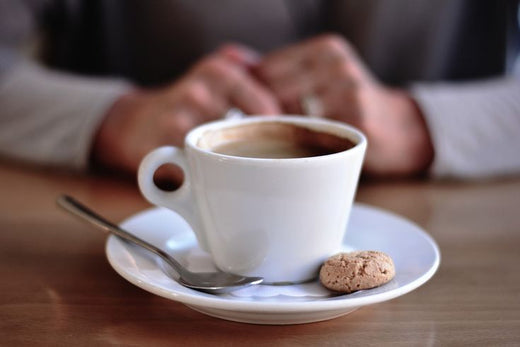
Drinking coffee on an empty stomach can have potential benefits, including increased alertness, improved concentration and a temporary boost in metabolic activity.
But there is no universal rule saying that coffee should always be consumed before food—or that it must always be avoided on an empty stomach.
If your body tolerates it well, a morning cup of coffee may be perfectly reasonable. If it causes heartburn, nausea, shakiness or stomach discomfort, try having it with food instead.
The healthiest coffee habit is usually the one that fits your body, your overall diet and your sleep schedule.
So before your next morning cup, ask yourself:
Does coffee on an empty stomach make me feel better—or does my body feel better when I eat first? ☕️
Small skin bumps can have many causes—know when they deserve attention.
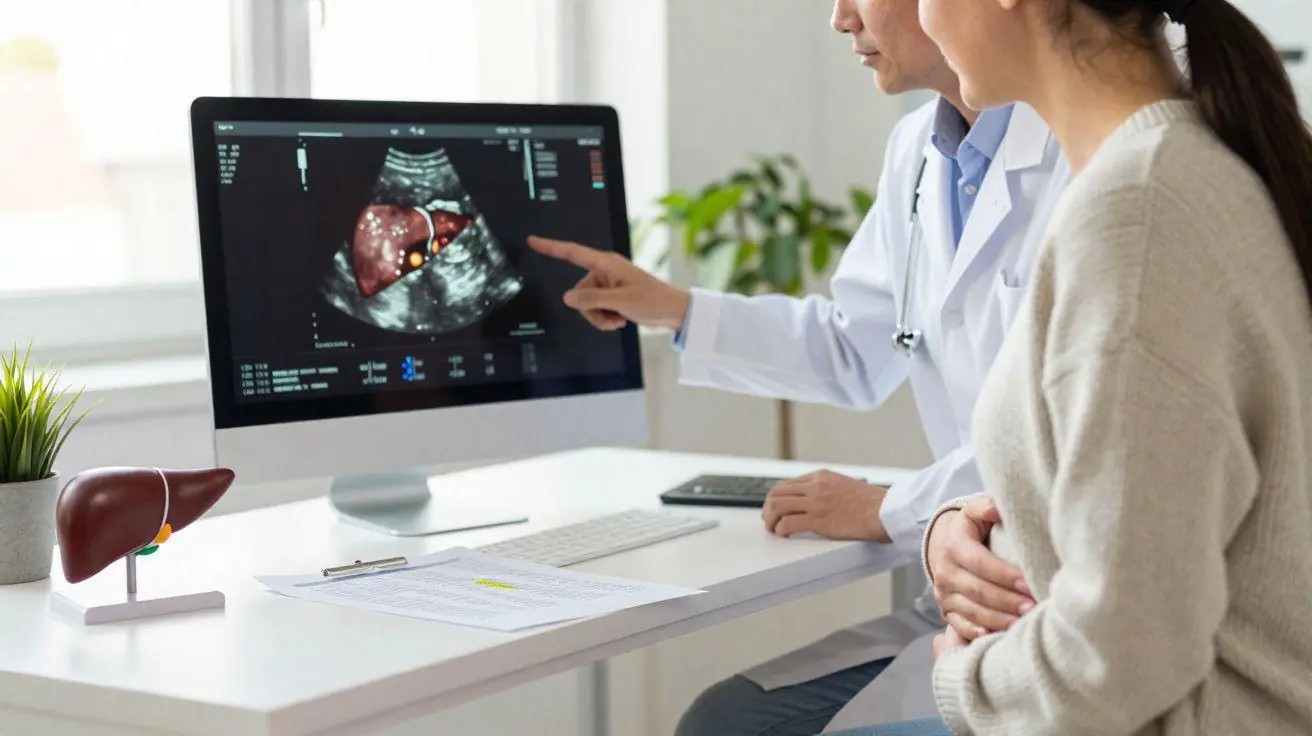
Persistent leg swelling may signal liver disease or other serious conditions.

CDC Recalls 19 Million Eggs After Sal.mo.nella Outbreak: If You Have Eggs at Home, Check Them Immediately
After 60, Is Eating Bananas Every Day Still a Good Idea? Here’s What Experts Say 🍌

Many People Miss These Early Health Clues Until It's Too Late
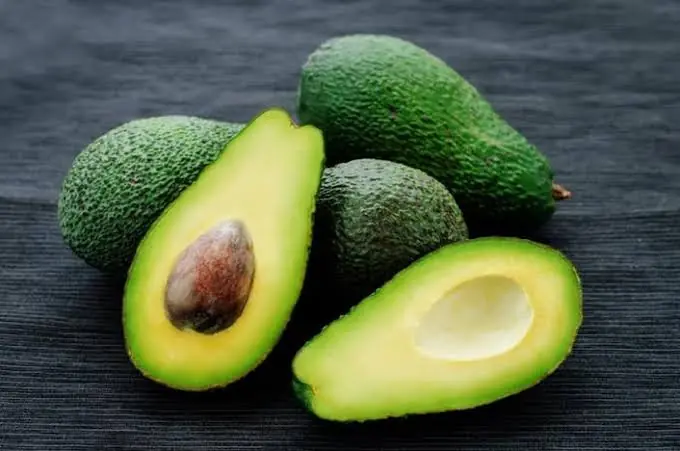
Think Avocados Are Always Healthy? Doctors Say There’s More to Know 🥑😳

A light patch in underwear is often a normal sign of healthy vaginal pH.
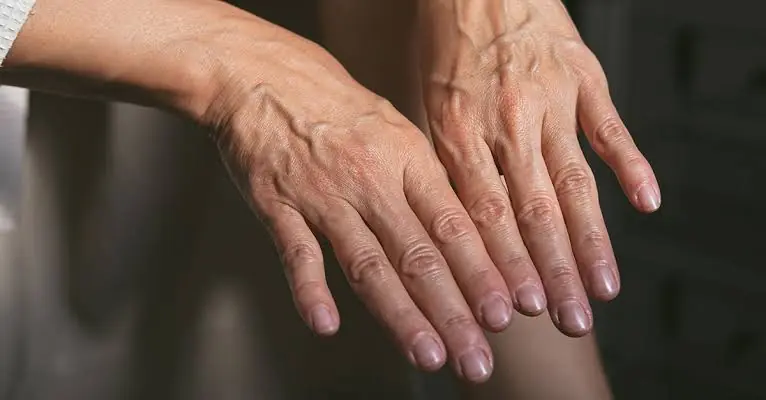
Getting Leg Cramps in the Middle of the Night? Pay Attention to These Clues 👀

What Could Happen If You Eat Peanuts Too Often? Doctors Explain 😱
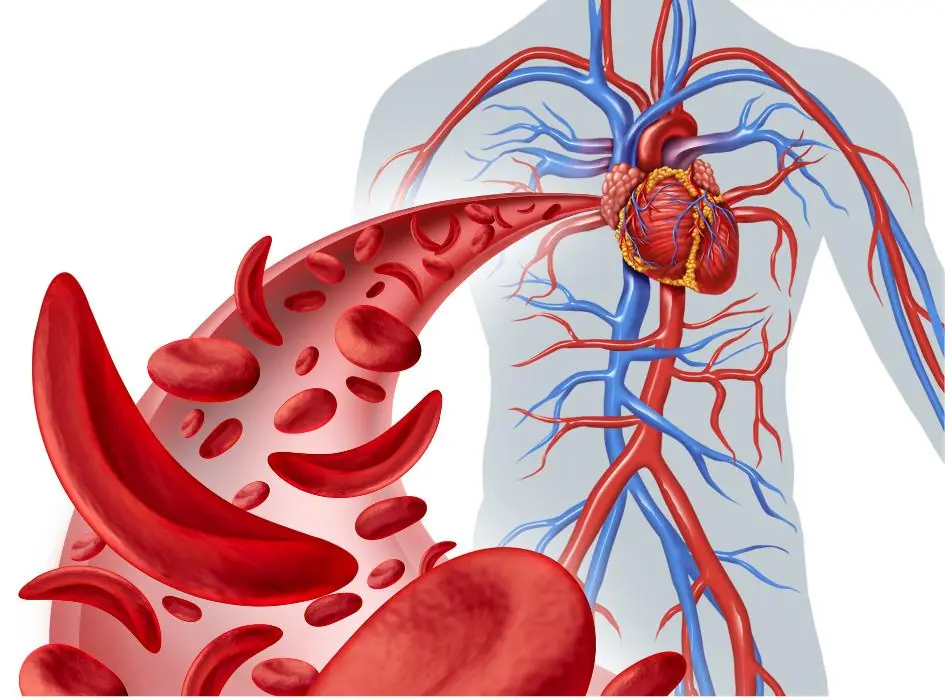
Doctors Recommend These 6 Daily Habits for Better Leg Circulation
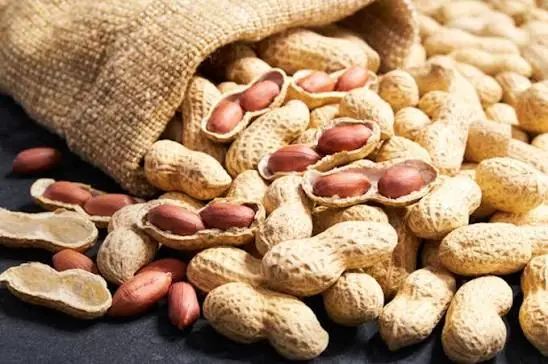
Peanuts Aren’t Always as Harmless as They Seem — Doctors Explain Why 🥜⚠️
Pain on the Right Side of Your Body: Common Causes and Warning Signs

If You Wake Up With Drool on Your Pillow, Read This Before Brushing It Off 😳
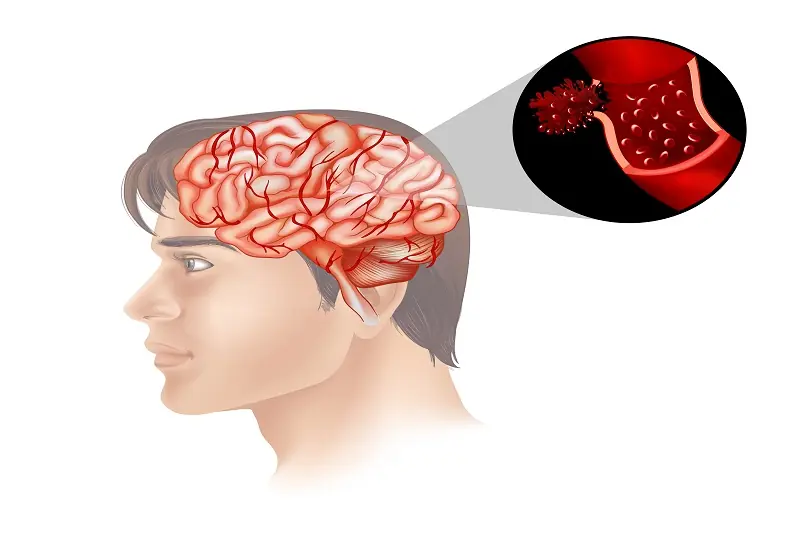
Could a Sudden Severe Headache Signal a Brain Aneurysm? Here's What Experts Say

Think your kettle is safe? Number 2 shocks everyone

A Traditional Natural Ingredient That May Promote Relaxation and Digestive Comfort

When a Family Member Passes Away, Many People Avoid Wearing These 3 Colors to a Funeral
Your Body May Be Sending Magnesium Warning Signs — Here Are 32 You Should Know
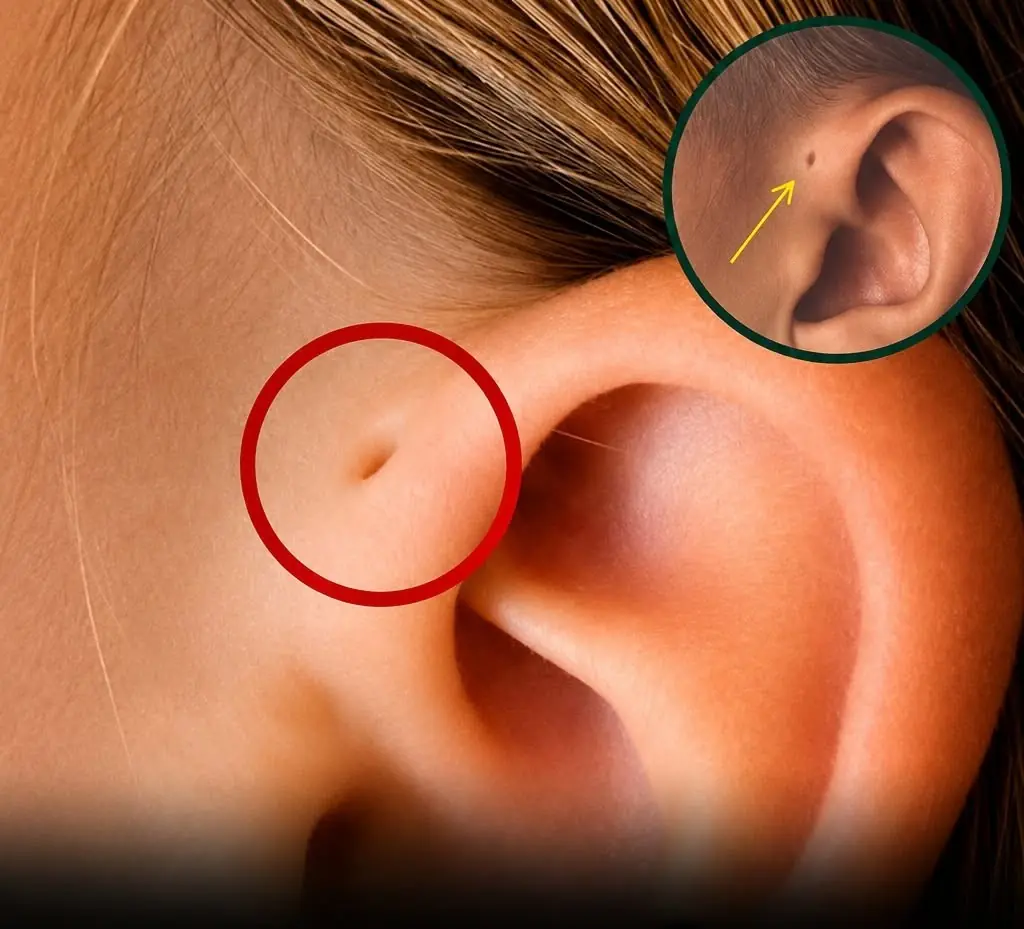
Most people think it's an injury—but doctors say it's something completely different.

Couple Gets Liver C.anc.er Together. Doctor Finds the Cause Inside Their Fridge
Small skin bumps can have many causes—know when they deserve attention.
Persistent leg swelling may signal liver disease or other serious conditions.

CDC Recalls 19 Million Eggs After Sal.mo.nella Outbreak: If You Have Eggs at Home, Check Them Immediately

What Crawled Out Shocked Me
After 60, Is Eating Bananas Every Day Still a Good Idea? Here’s What Experts Say 🍌
Many People Miss These Early Health Clues Until It's Too Late
Think Avocados Are Always Healthy? Doctors Say There’s More to Know 🥑😳
A light patch in underwear is often a normal sign of healthy vaginal pH.
Getting Leg Cramps in the Middle of the Night? Pay Attention to These Clues 👀
What Could Happen If You Eat Peanuts Too Often? Doctors Explain 😱
Doctors Recommend These 6 Daily Habits for Better Leg Circulation

Peanuts Aren’t Always as Harmless as They Seem — Doctors Explain Why 🥜⚠️
Pain on the Right Side of Your Body: Common Causes and Warning Signs
If You Wake Up With Drool on Your Pillow, Read This Before Brushing It Off 😳
Could a Sudden Severe Headache Signal a Brain Aneurysm? Here's What Experts Say
Think your kettle is safe? Number 2 shocks everyone
A Traditional Natural Ingredient That May Promote Relaxation and Digestive Comfort
When a Family Member Passes Away, Many People Avoid Wearing These 3 Colors to a Funeral