The liver is one of the most vital organs in the human body. It performs hundreds of functions every day, including filtering toxins, processing nutrients, producing bile, regulating blood sugar, and supporting the immune system. Because the liver plays such an important role in overall health, problems affecting it can sometimes produce signs in unexpected places including the hands.
While hand changes alone cannot diagnose liver disease, healthcare professionals often examine the hands during physical assessments because certain visible changes may provide clues about underlying liver conditions. These signs are not always caused by liver disease, but they can sometimes indicate that further medical evaluation is needed.
Understanding these potential warning signs may help individuals recognize when it is time to consult a healthcare professional.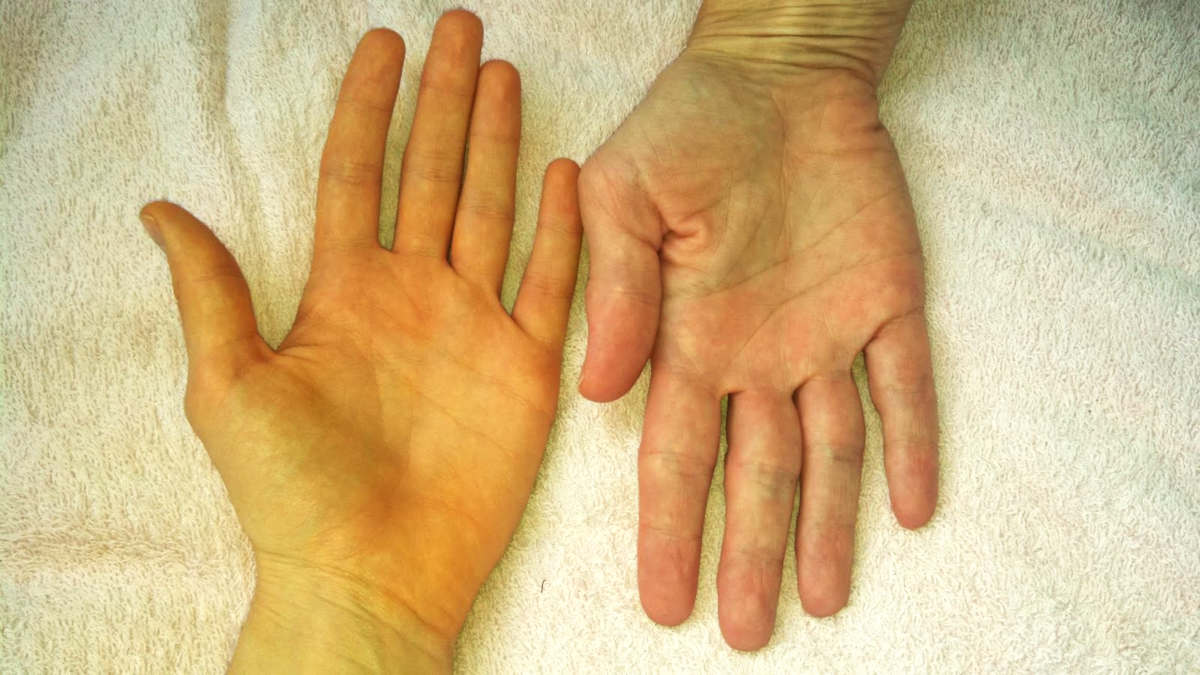
Why Liver Problems Can Affect the Hands
The liver helps regulate:
-
Blood circulation
-
Hormones
-
Protein production
-
Metabolism
-
Detoxification processes
When liver function becomes impaired, these systems can be affected, sometimes leading to visible changes in the skin, nails, blood vessels, and soft tissues of the hands.
Many of these changes occur gradually and may be overlooked for months or even years.
Sign 1: Redness of the Palms (Palmar Erythema)
What Is It?
One of the most recognized hand-related signs associated with liver disease is palmar erythema.
This condition causes:
-
Redness of the palms
-
Increased color around the base of the thumb
-
Redness near the little finger
The center of the palm often remains relatively normal in color.
Why It Happens
Researchers believe hormonal and vascular changes may contribute to this symptom.
Important Note
Palmar erythema is not specific to liver disease.
It may also occur in:
-
Pregnancy
-
Rheumatoid arthritis
-
Thyroid disorders
-
Healthy individuals
However, persistent or unexplained redness should be discussed with a healthcare provider.
Sign 2: Spider-Like Blood Vessels
What Are Spider Angiomas?
Spider angiomas are small clusters of visible blood vessels that resemble tiny spider webs.
They often appear on:
-
Hands
-
Arms
-
Face
-
Upper chest
Their Connection to Liver Health
They are sometimes seen in individuals with chronic liver disease.
Other Causes
Spider angiomas may also occur in healthy people and during pregnancy.
Their presence alone does not confirm liver disease.
Sign 3: Yellowing of the Skin
What Is Jaundice?
Jaundice causes:
-
Yellowing of the skin
-
Yellowing of the eyes
This occurs when bilirubin accumulates in the body.
How It May Appear on the Hands
In some individuals, the yellow tint becomes noticeable on:
-
Palms
-
Fingers
-
Nail beds
Why It Matters
Jaundice is an important medical sign that should always be evaluated promptly.
Sign 4: Itchy Hands
Persistent Itching
Chronic itching can sometimes occur in people with liver conditions.
Why It Happens
Certain liver disorders may affect bile flow, potentially contributing to itching.
Common Characteristics
The itching may:
-
Be persistent
-
Occur without a visible rash
-
Become worse at night
Since many conditions can cause itching, proper evaluation is necessary.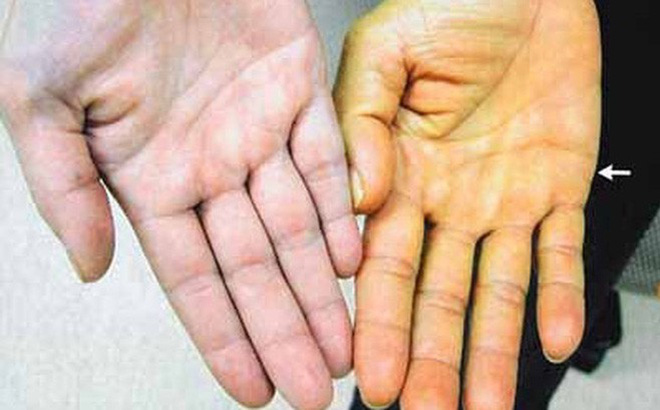
Sign 5: Easy Bruising
What You May Notice
Some individuals develop:
-
Frequent bruises
-
Bruises after minor bumps
-
Unexplained discoloration
The Liver's Role
The liver produces proteins involved in blood clotting.
When liver function becomes impaired, bruising may occur more easily.
Important Consideration
Easy bruising can also result from:
-
Aging
-
Medications
-
Vitamin deficiencies
Sign 6: Swollen Fingers
What Happens?
Some liver conditions may contribute to fluid retention.
This can lead to:
-
Puffy fingers
-
Tight rings
-
Swelling in the hands
Other Possible Causes
Hand swelling is common and may result from:
-
Arthritis
-
Kidney problems
-
Heart conditions
-
Injury
Persistent swelling deserves medical attention.
Sign 7: Nail Changes
The nails can sometimes provide clues about overall health.
White Nails
Some liver conditions have been associated with unusually pale or white nails.
Changes in Nail Shape
Nails may appear:
-
Flattened
-
Altered in texture
-
Different in color
Why It Matters
Nail changes are not specific to liver disease but may contribute to the overall clinical picture.
Sign 8: Hand Tremors
What Are Tremors?
Tremors involve involuntary shaking movements.
Possible Connection
Advanced liver dysfunction may occasionally affect the nervous system and contribute to movement abnormalities.
Important Note
Most tremors are unrelated to liver disease and may have other neurological causes.
Other Symptoms That May Accompany Liver Problems
Hand changes rarely occur alone.
Additional symptoms may include:
Fatigue
Persistent tiredness is one of the most common symptoms.
Loss of Appetite
Some individuals experience reduced interest in food.
Abdominal Discomfort
Particularly in the upper right side of the abdomen.
Dark Urine
May occur when bilirubin levels increase.
Pale Stools
Can sometimes indicate problems with bile flow.
Unexplained Weight Loss
Should always be medically evaluated.
Common Liver Conditions
Several conditions can affect liver function.
Fatty Liver Disease
One of the most common liver disorders worldwide.
Alcohol-Related Liver Disease
Associated with excessive alcohol consumption.
Viral Hepatitis
Includes infections such as:
-
Hepatitis B
-
Hepatitis C
Cirrhosis
Advanced scarring of the liver.
Autoimmune Liver Diseases
Occur when the immune system attacks liver tissue.
Why Early Detection Matters
The liver has a remarkable ability to repair itself.
Early diagnosis may:
-
Prevent progression
-
Improve treatment outcomes
-
Reduce complications
-
Support recovery
Many liver conditions respond well to lifestyle changes and medical treatment when identified early.
Habits That Support Liver Health
Maintain a Healthy Weight
Excess body fat increases the risk of fatty liver disease.
Exercise Regularly
Physical activity supports metabolic and liver health.
Eat a Balanced Diet
Focus on:
-
Fruits
-
Vegetables
-
Whole grains
-
Lean proteins
Limit Alcohol
Reducing alcohol intake helps decrease liver stress.
Stay Hydrated
Supports overall bodily functions.
Manage Chronic Conditions
Good control of:
-
Diabetes
-
High cholesterol
-
High blood pressure
may support liver health.
Common Myths About Liver Disease
Myth 1: Liver Disease Always Causes Pain
Many liver conditions remain silent for years.
Myth 2: Hand Symptoms Always Mean Liver Disease
Most hand changes have causes unrelated to the liver.
Myth 3: Detox Drinks Can Repair Liver Damage
No beverage can instantly reverse liver disease.
Myth 4: Only Heavy Drinkers Develop Liver Problems
Many liver conditions occur in people who consume little or no alcohol.
When to See a Doctor
Medical evaluation is recommended if hand changes occur alongside:
-
Jaundice
-
Persistent fatigue
-
Abdominal discomfort
-
Swelling
-
Unexplained bruising
-
Dark urine
-
Significant weight loss
Early assessment helps identify the cause and determine appropriate treatment.
The Importance of Looking at the Whole Picture
Healthcare professionals rarely diagnose liver disease based on hand changes alone.
Instead, they consider:
-
Symptoms
-
Medical history
-
Physical examination
-
Blood tests
-
Imaging studies
The hands provide clues, but they are only one piece of the puzzle.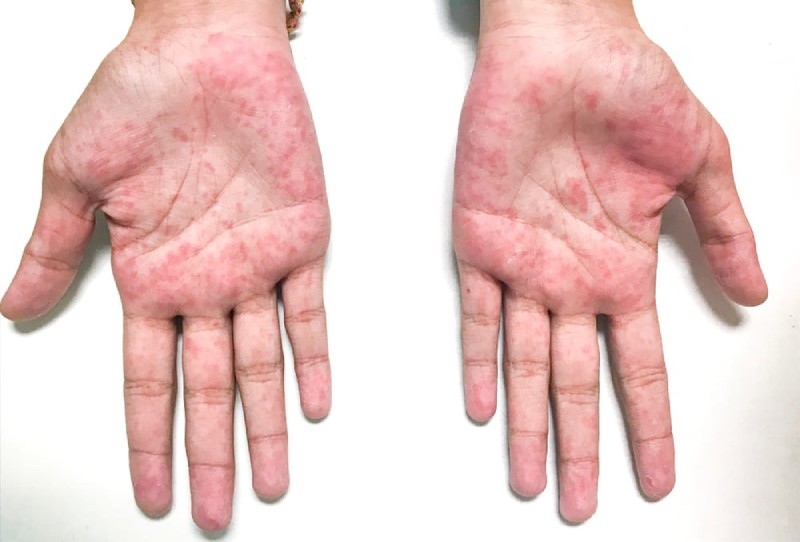
Final Thoughts
The hands can sometimes reflect underlying health conditions, including certain liver disorders. Signs such as palmar erythema, spider angiomas, jaundice, itching, easy bruising, swelling, nail changes, and tremors may occasionally be associated with liver problems, particularly when accompanied by other symptoms.
However, these signs are not specific to liver disease and can occur for many different reasons. Rather than causing alarm, they should serve as reminders to pay attention to your health and seek professional medical advice when changes persist or occur alongside other concerning symptoms.
Maintaining a healthy lifestyle, attending regular checkups, and recognizing early warning signs can go a long way toward protecting liver health and overall well-being.