When can.cer “knocks,” these 3 parts of your body may change color
Many people assume cancer always causes severe pain. However, in reality, some warning signs appear quietly through subtle color changes in the body—making them easy to overlook.

A silent case that started with yellowing skin
A 60-year-old woman experienced no obvious pain or serious symptoms. It wasn’t until the whites of her eyes and her skin gradually turned yellow that she realized something was wrong and went to the hospital.
Test results revealed her liver enzymes were 10 times higher than normal, and she was eventually diagnosed with pancreatic cancer, with a tumor about 4 cm in size.
Why pancreatic cancer can be so hard to detect
According to gastroenterologist Lin Xianghong, early-stage pancreatic cancer often has no clear symptoms. Some people may only feel mild indigestion—or nothing at all.
When the tumor develops near the bile duct, it can block bile flow, leading to jaundice (yellowing of the skin and eyes).
What makes it more dangerous is that this process usually happens without noticeable pain, because the tumor grows slowly and the body gradually adapts to the pressure.
Watch out for these 3 color changes
Doctors emphasize that instead of pain, cancer warnings may show up through changes in color in everyday bodily signs:
1. Urine and stool
- Dark urine (like strong tea)
- Pale or grayish-white stool
These may indicate early signs of jaundice and should not be ignored.
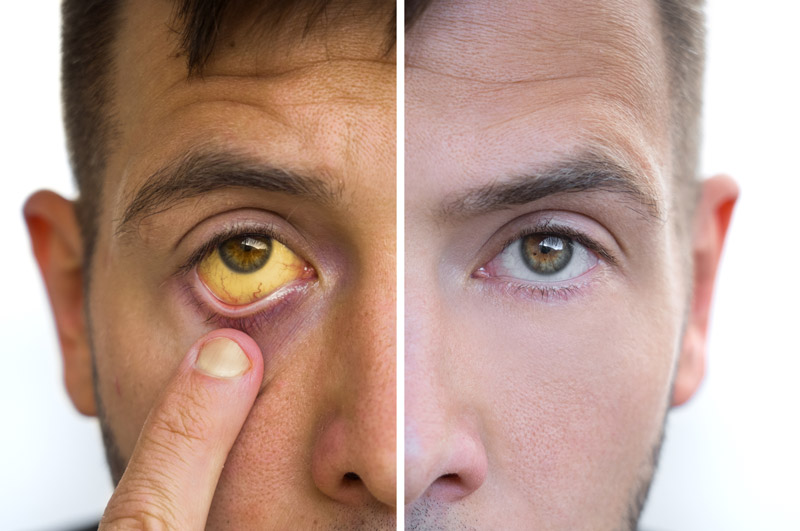
2. The whites of the eyes
You can gently pull down your lower eyelid and check under natural light.
If the white part turns light yellow or clearly yellow, it could be a warning sign.
3. Skin color
Yellowing of the skin is one of the most noticeable signs and may indicate serious underlying issues, including pancreatic cancer.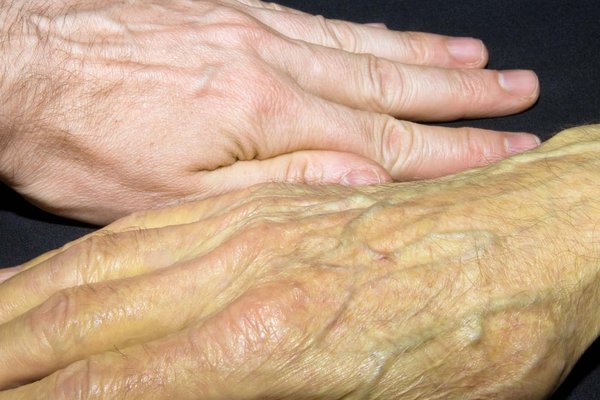
Key takeaway
Some cancers don’t cause pain in the early stages. Instead, they send subtle signals through small but important changes in body color.
Urine, eyes, and skin are three areas you can easily observe every day. If you notice unusual changes, don’t delay a medical check-up.