Other possible warning signs include blood in the stool, unexplained fatigue, abdominal discomfort, and iron-deficiency anemia.
It is important to understand that constipation alone does not mean someone has cancer.
Nevertheless, a persistent change in bowel habits combined with unexplained weight loss deserves prompt medical assessment.
Early investigation can help identify the cause and allow appropriate treatment to begin.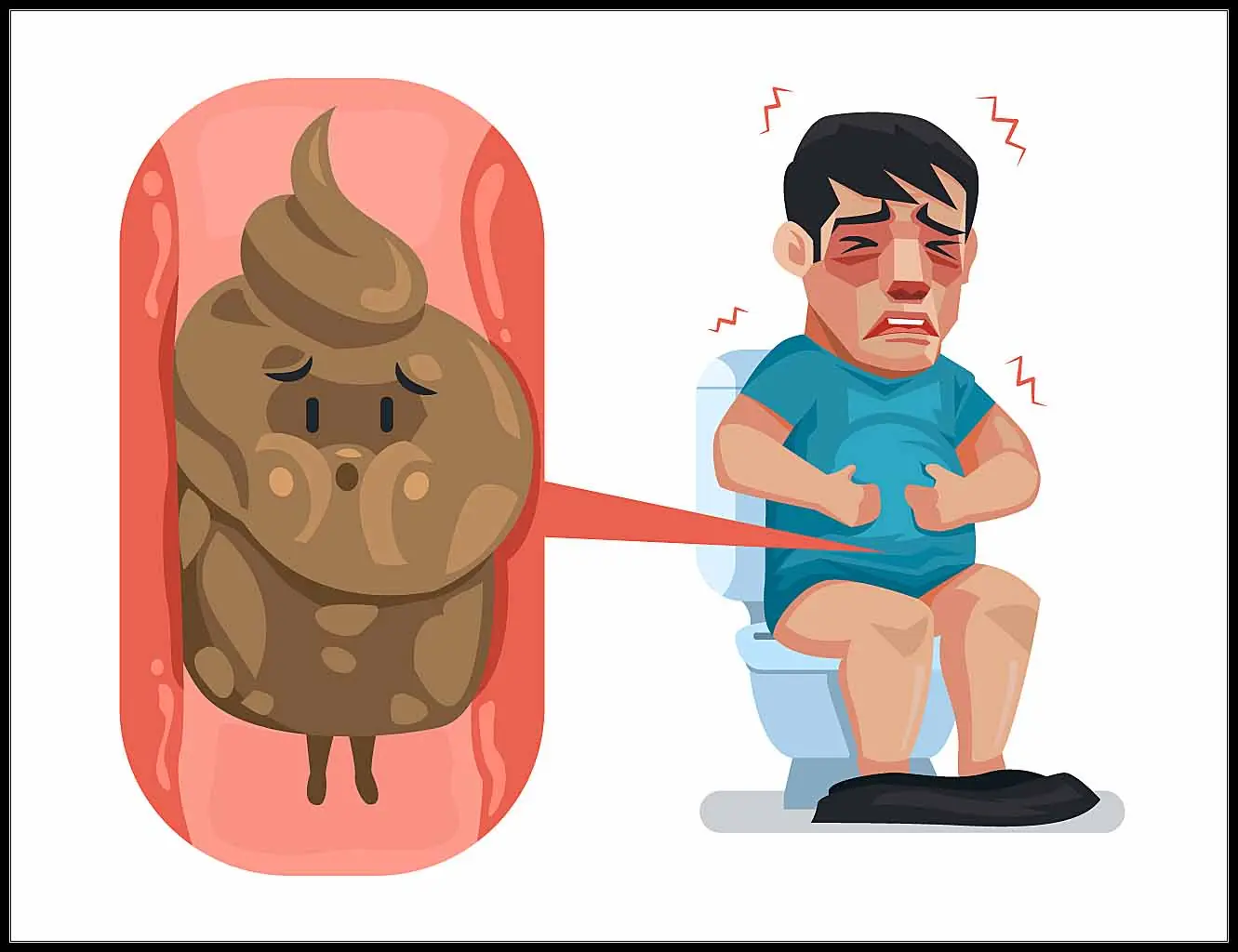
10. Persistent Fatigue and Weakness
Feeling unusually tired or weak may not seem directly related to constipation.
However, the two symptoms can sometimes occur together.
For example, certain digestive conditions may interfere with nutrient absorption or cause chronic inflammation.
If gastrointestinal bleeding occurs over time, a person may develop iron-deficiency anemia, which can lead to fatigue, weakness, dizziness, and shortness of breath.
Certain medications, dehydration, inadequate nutrition, and metabolic conditions can also contribute to both constipation and fatigue.
A thyroid disorder is another possible connection.
An underactive thyroid, known as hypothyroidism, can slow several bodily processes, including intestinal movement.
People with hypothyroidism may experience constipation, fatigue, feeling unusually cold, dry skin, and unexplained weight gain.
If fatigue is persistent and occurs alongside a significant change in bowel habits, a medical assessment may help identify the underlying cause.
11. Alternating Constipation and Diarrhea
Some people experience periods of constipation followed by episodes of loose stool or diarrhea.
This pattern can occur in people with irritable bowel syndrome, particularly the mixed subtype known as IBS-M.
IBS is a functional gastrointestinal disorder that can cause abdominal pain, bloating, constipation, and diarrhea.
However, alternating bowel habits can also occur for other reasons.
One important possibility is overflow diarrhea associated with fecal impaction.
In this situation, liquid stool may pass around a mass of hardened stool that remains lodged in the rectum or colon.
As a result, someone may experience what appears to be diarrhea even though severe constipation is still present.
This is particularly important because taking medication to stop diarrhea without understanding the underlying cause may worsen the problem.
Persistent changes between constipation and diarrhea should be discussed with a healthcare professional, especially when accompanied by pain, bleeding, fever, or weight loss.
12. Painful Bowel Movements and Anal Discomfort
Passing stool should not regularly cause severe pain.
When stool becomes hard and dry, it may stretch and irritate the anal canal during elimination.
This can contribute to anal fissures, which are small tears in the tissue lining the anus.
A fissure may cause sharp pain during a bowel movement, followed by burning or discomfort that continues afterward.
Hemorrhoids can also develop or become more symptomatic when someone repeatedly strains during bowel movements.
Possible symptoms include:
-
Pain around the anus.
-
Itching or irritation.
-
Swelling or a noticeable lump.
-
Bright red blood during bowel movements.
-
Discomfort when sitting.
These conditions are common, but persistent pain or bleeding should not be ignored.
A healthcare professional can determine whether the symptoms are caused by hemorrhoids, fissures, infection, or another condition.
13. Severe Constipation That Does Not Improve With Home Treatment
Many mild cases of constipation improve with basic lifestyle adjustments.
Increasing dietary fiber gradually, drinking enough fluids, staying physically active, and establishing a regular toilet routine can help support normal bowel movements.
However, constipation that continues despite these measures may require further investigation.
Possible causes include:
-
Medication side effects.
-
Irritable bowel syndrome.
-
Hypothyroidism.
-
Diabetes-related nerve problems.
-
Pelvic floor dysfunction.
-
Neurological conditions.
-
Structural problems affecting the colon or rectum.
Some medications commonly associated with constipation include opioid painkillers, certain antidepressants, iron supplements, calcium supplements, and some medications used for allergies or blood pressure.
Never stop a prescribed medication without consulting the healthcare professional who recommended it.
If constipation is persistent, recurrent, or significantly affecting daily life, a medical evaluation can help determine whether an underlying condition needs treatment.
14. What Is Fecal Impaction, and Why Can It Be Dangerous?
Fecal impaction is a complication in which a large amount of hardened stool becomes stuck in the rectum or colon.
It often develops after prolonged or severe constipation.
When stool remains in the bowel for an extended period, more water is absorbed, making it increasingly hard and difficult to pass.
Eventually, the stool may become too large or firm to eliminate naturally.
Symptoms may include:
-
Persistent constipation.
-
Rectal pressure or discomfort.
-
Abdominal pain and bloating.
-
Difficulty passing stool.
-
Nausea.
-
Loss of appetite.
-
Watery stool leaking around the impacted mass.
Some people mistakenly interpret this leakage as ordinary diarrhea.
Fecal impaction is more common in older adults, people with limited mobility, individuals with neurological conditions, and those taking medications that slow bowel movement.
Treatment may involve clinician-directed removal of the impacted stool, suppositories, enemas, or other medical interventions.
Severe cases can cause complications such as intestinal injury, ulceration, or bowel obstruction.