A small footstool can help create this position.
Lean forward slightly, relax your abdominal muscles, and avoid prolonged or forceful straining.
19. Should You Use Laxatives for Severe Constipation?
Laxatives can be useful for treating constipation, but choosing the right type depends on the cause and severity of the problem.
Common categories include:
Bulk-forming laxatives: These contain fiber-like substances that increase stool bulk. They require adequate fluid intake and may not be appropriate when bowel obstruction is suspected.
Osmotic laxatives: These help draw water into the bowel, making stool softer and easier to pass.
Stool softeners: These may help soften stool in certain situations.
Stimulant laxatives: These stimulate intestinal contractions and may be recommended for short-term treatment in selected cases.
Although many laxatives are available without a prescription, they should be used according to product instructions or professional advice.
Repeatedly taking laxatives without understanding why constipation is occurring may delay the diagnosis of an underlying condition.
People with severe abdominal pain, vomiting, marked swelling, or an inability to pass gas should seek urgent medical care rather than experimenting with laxatives.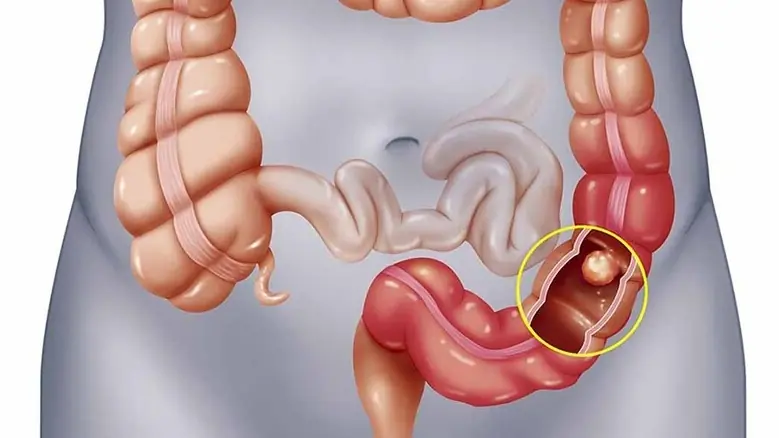
20. When Should You See a Doctor?
Not every episode of constipation requires medical treatment.
However, certain situations should prompt an appointment with a healthcare professional.
Consider seeking medical advice if:
-
Constipation continues for several weeks.
-
Your normal bowel habits change unexpectedly.
-
You regularly need to strain to pass stool.
-
You experience persistent abdominal discomfort.
-
You frequently feel that your bowel has not emptied completely.
-
You repeatedly notice blood in your stool.
-
You experience unexplained weight loss.
-
You have persistent fatigue or symptoms of anemia.
-
Constipation begins after starting a new medication.
A doctor may review your medical history, medications, diet, and bowel habits.
Depending on the symptoms, additional tests may include blood tests, stool tests, imaging studies, or colonoscopy.
The appropriate investigation depends on age, symptoms, medical history, and individual risk factors.
Early assessment can help identify treatable causes and prevent complications.
21. Symptoms That Require Immediate Medical Attention
Some combinations of symptoms should never be managed at home without medical evaluation.
Seek emergency medical care if constipation is accompanied by:
-
Severe or worsening abdominal pain.
-
Repeated vomiting.
-
Significant abdominal swelling.
-
Inability to pass gas or stool.
-
Heavy rectal bleeding.
-
Black, tarry stool accompanied by weakness or dizziness.
-
Fainting or signs of severe dehydration.
These symptoms may indicate intestinal obstruction, gastrointestinal bleeding, or another serious condition.
Do not wait several days to see whether they improve.
In particular, the combination of abdominal pain, vomiting, swelling, and inability to pass gas can indicate bowel obstruction and requires urgent assessment.
22. How to Protect Your Digestive Health Over the Long Term
Healthy bowel habits are supported by consistent daily choices.
A few practical habits can make a meaningful difference:
-
Eat a varied diet containing fruits, vegetables, legumes, and whole grains.
-
Drink enough fluids according to your individual needs.
-
Include regular physical activity in your routine.
-
Avoid repeatedly delaying bowel movements.
-
Maintain a consistent bathroom schedule.
-
Review medications that may contribute to constipation with your healthcare professional.
-
Pay attention to persistent changes in bowel habits.
-
Attend recommended colorectal cancer screening appointments.
It is also important to avoid relying on extreme detox diets, unproven cleansing products, or frequent enemas to maintain digestive health.
The colon does not need routine detoxification. It already has natural mechanisms for eliminating waste.
Supporting those normal functions through balanced nutrition, hydration, physical activity, and appropriate medical care is a more reliable approach.
Final Thoughts: Constipation Is Common, but Some Warning Signs Should Never Be Ignored
Constipation may seem like a small digestive inconvenience, but persistent or severe symptoms deserve attention.
Occasional difficulty passing stool is common and often improves with simple lifestyle changes. However, severe abdominal pain, repeated vomiting, significant swelling, rectal bleeding, unexplained weight loss, and an inability to pass gas can signal something more serious.
Conditions such as fecal impaction, intestinal obstruction, inflammatory bowel disease, and colorectal cancer may sometimes present with changes in bowel habits.
This does not mean that everyone who experiences constipation should fear the worst. Most cases are not caused by life-threatening diseases.
The important thing is to recognize when symptoms are unusual, persistent, or accompanied by other warning signs.
Listen to your body. Pay attention to changes in your normal bowel habits, avoid ignoring persistent discomfort, and seek medical advice when something does not feel right.
Your digestive health is an important part of your overall well-being. A few simple daily habits can support regular bowel movements, but knowing when to seek medical attention may be even more important.
Remember: Constipation is common, but severe pain, vomiting, abdominal swelling, or an inability to pass gas should never be dismissed as ordinary digestive discomfort.