A single animal may simply have wandered inside through an opening.
The situation becomes more worth investigating if you repeatedly discover slugs, particularly in the same area.
Repeated sightings could suggest:
-
A persistent entry point
-
Excess moisture
-
Nearby vegetation supporting slugs
-
Poor drainage around the house
-
A damp crawl space or basement
-
Accessible food or organic material
In other words, the slug itself may not be the problem. The conditions around your home may be.
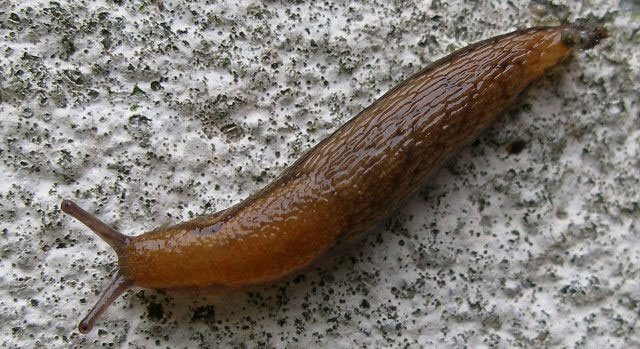
Why Do Slugs Sometimes Appear After Rain?
Rain can dramatically increase slug activity.
During dry weather, slugs tend to seek sheltered, moist environments. After rainfall, the ground becomes wetter and surface conditions become much more favorable for movement.
This can lead to increased slug activity around homes.
If doors or windows are opened during or after wet weather, or if there are small openings around the foundation, a slug may eventually find its way inside.
You may therefore notice more slugs around your property during periods of frequent rain or high humidity.
Should You Be Worried About a Slug in the House?
For most people, a slug itself is not an immediate household emergency.
Still, it is sensible to avoid unnecessary contact.
Do not handle an unknown slug with bare hands if you can avoid it. Use gloves, paper, or another simple method to remove it, then wash your hands afterward.
The greater concern is often not the slug but what it may have come into contact with.
Some slugs and snails can carry parasites in certain regions, although the risk to humans varies greatly by species and location. Because you generally cannot identify a slug species simply by looking at it, basic hygiene is a sensible precaution.
Do not eat or intentionally handle wild slugs.
What Should You Do If You Find One?
You do not need to panic.
If you find a slug indoors, you can carefully remove it and place it outside in a suitable sheltered location away from the immediate entrance to your home.
Then take a few minutes to investigate.
Check around the area
Look for:
-
Gaps beneath doors
-
Damaged door seals
-
Cracks near windows
-
Openings around pipes
-
Damp corners
-
Water leaks
-
Wet cardboard or organic debris
-
Plants positioned directly against walls
If you discover a clear opening, sealing it can help prevent future visitors.
Don't Reach for Salt Immediately
Salt is a traditional method people often use when they see slugs.
However, deliberately covering slugs with salt causes them to lose water rapidly and is generally an unnecessarily harsh way to deal with the problem.
There is also another reason to avoid casually spreading salt around your home or garden: excessive salt can damage plants and soil.
A better approach is to remove the slug and address the reason it was able to enter.
If slugs are repeatedly appearing, prevention is usually more useful than simply killing individual animals.
How to Make Your Home Less Attractive to Slugs
The most effective strategy is to reduce the combination of moisture, shelter, food, and access.
Keep exterior areas tidy
Remove piles of wet leaves, boards, stones, and other objects that provide dark, damp hiding places close to the house.
Improve drainage
Make sure rainwater drains away from the foundation rather than collecting against the building.
Fix leaks
Repair leaking pipes, faucets, or appliances and investigate unexplained dampness.
Seal entry points
Inspect door sweeps, weather stripping, window frames, pipe openings, and foundation gaps.
Manage vegetation
Trim plants and ground cover that are growing directly against exterior walls.
Keep indoor areas dry
Ventilate bathrooms and laundry areas and address persistent condensation.
These measures can help not only with slugs but also with other moisture-loving pests.
What If You Keep Finding Slugs in the Bathroom?
This is an interesting clue.