Under conditions of prolonged sleep deprivation, brain cells enter a state of cellular stress and trigger a mechanism known as autophagy — a process through which cells break down their own components in order to survive. While autophagy is a normal, beneficial process in moderation, its excessive activation as a result of severe sleep loss appears to carry serious risks for cognitive function and brain structure.

Sleep is far more than a passive rest period: during deep sleep, the brain undertakes essential maintenance tasks. These include clearing out toxins and metabolic waste, strengthening neural connections, and repairing cellular damage. Interrupting or shortening this restorative phase impairs these critical processes, and mounting evidence indicates that this interruption places brain health at serious risk. For example, one review explains how sleep disruption is intimately linked with degeneration of neuronal health and increased accumulation of protein aggregates — changes mediated by altered autophagy and oxidative stress.scientificarchives.com+2life-science-alliance.org+2
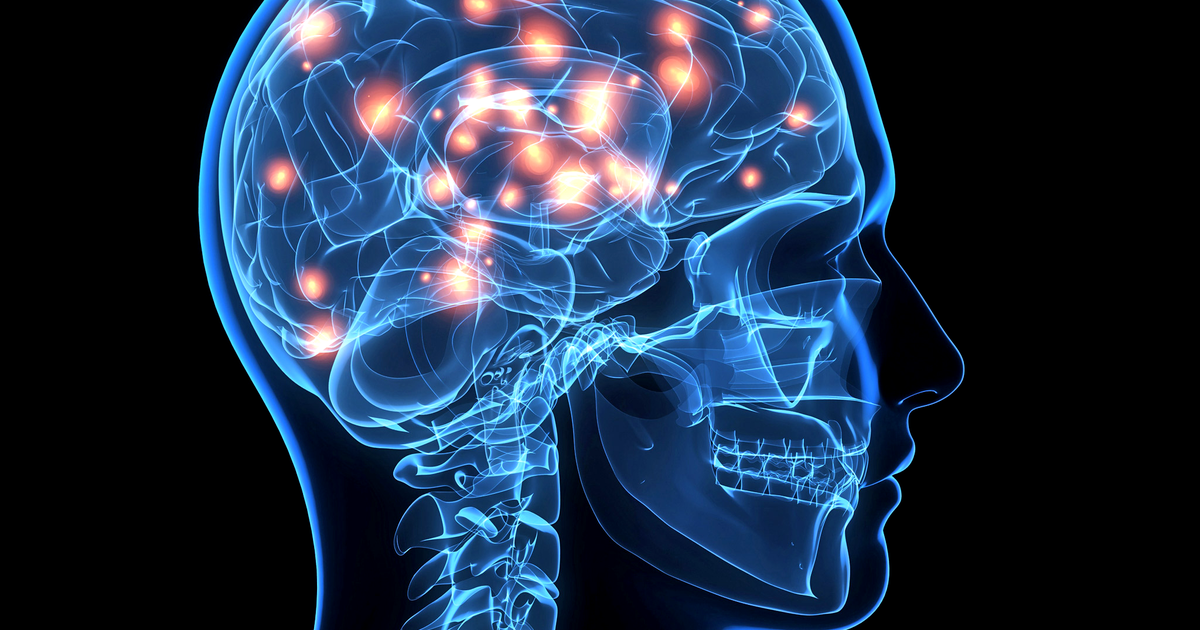
In one study using animal models, just five days of sleep fragmentation resulted in dysregulation of autophagy in the hippocampus and striatum — brain regions critical for learning and memory.PMCAnother investigation found that loss of REM sleep (rapid eye movement sleep) is associated with elevated autophagy-related markers and neuronal homeostasis disruption.PubMedMore recently, a study highlighted that impaired autophagic flux in sleep–wake neurons appears in early stages of neurodegenerative models, and that disrupted sleep may trigger further proteostasis (protein-homeostasis) breakdown in a vicious feedback loop.BioMed Central
What this suggests is that chronic sleep deprivation is not merely a matter of feeling tired or having a foggy brain the next day — it may lead to long-term changes in brain cell physiology, memory consolidation, neural connectivity, and even structural brain degeneration. The metaphor of the brain “eating itself” refers to this heightened autophagy which, though initially protective, may become pathological if sustained over time.Frontiers+1
From a practical perspective, this research underscores the importance of prioritising 7 to 9 hours of good-quality sleep per night (for most adults) not as a luxury but as a foundational requirement for cognitive and neurological health. When sleep is persistently inadequate, the brain’s housekeeping functions are compromised: toxins may accumulate, synapses may be weakened, neural networks may become inefficient, and in worst-case scenarios, neurons may become damaged or lost.

In summary: don’t just aim to “get by” on minimal sleep. Think of sleep as a vital period during which your brain performs essential repair, consolidation and clearance. When this is skipped repeatedly, the consequence isn’t just next-day fatigue — it has the potential to undermine memory, reduce cognitive sharpness, and even accelerate pathways of degeneration. Taking sleep seriously means not only going to bed earlier or sleeping longer, but also practising sleep hygiene (regular schedule, low screen exposure, minimal interruptions) so that you get quality restorative sleep, rather than just time spent in bed.