However, when people begin paying closer attention to their weight or blood sugar levels, they often start asking a different question: Does the time of day you eat a banana actually matter?
Some people prefer eating bananas in the morning because they believe the fruit provides energy for the day. Others enjoy one before exercise, while some choose bananas in the afternoon to avoid reaching for sugary snacks. There are also people who wonder whether eating a banana at night could affect their weight or glucose levels.
The truth is that bananas can be a nutritious part of a balanced diet, but their health effects depend on more than timing alone. Portion size, ripeness, what you eat alongside the fruit, your overall dietary habits, physical activity, and individual metabolic health all play important roles.
A banana is not a magic food that automatically causes weight loss or prevents blood sugar spikes. Nevertheless, choosing the right time to eat one and pairing it thoughtfully with other foods may help support hunger management, provide convenient energy, and make it easier to maintain balanced eating habits.
Understanding how bananas fit into different parts of the day can help you make more informed choices without unnecessarily restricting foods you enjoy.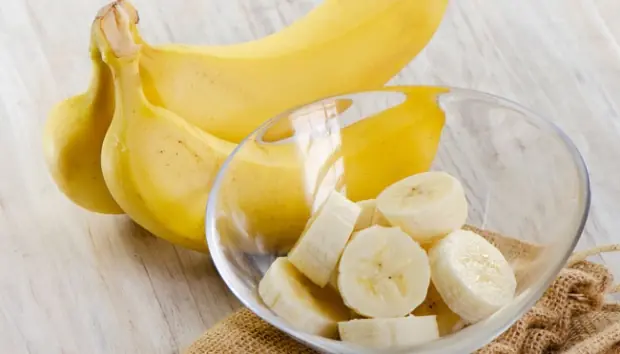
1. Eat a Banana in the Morning as Part of a Balanced Breakfast
Morning is one of the most convenient times to enjoy a banana. After waking up, many people need a quick and easy breakfast before work, school, or other daily responsibilities. A banana can provide carbohydrates that the body uses for energy, making it a practical addition to a morning meal.
Bananas contain natural sugars, including glucose, fructose, and sucrose, as well as dietary fiber. Together, these components contribute to the fruit's energy content and make it more satisfying than consuming a similar amount of sugar without fiber.
However, eating a banana alone may not keep everyone full for very long. If breakfast consists only of a banana, some people may feel hungry again relatively quickly, particularly if they have a physically demanding morning or a long period between meals.
For people trying to manage their weight, this can be important. Hunger that returns quickly may lead to frequent snacking, larger portions later in the day, or difficulty maintaining a consistent eating pattern.
A more balanced approach is to combine a banana with protein and healthy fats. For example, you could eat it with plain Greek yogurt, oatmeal, eggs, nuts, seeds, or a small amount of peanut butter. Protein and fat generally slow digestion and may help improve fullness compared with eating a banana by itself.
The combination can also make breakfast more nutritionally balanced. Instead of relying on one fruit, you are including several nutrients that contribute to a satisfying meal.
For blood sugar health, the same principle may be helpful. Eating carbohydrates alongside protein, fiber, and fat can influence how quickly a meal is digested and how glucose enters the bloodstream. The exact response varies from person to person, but a balanced breakfast is often a more practical strategy than trying to avoid all carbohydrates.
A simple morning banana meal idea:
-
One medium banana, sliced
-
Plain Greek yogurt
-
A small serving of oats
-
A handful of walnuts or almonds
-
Cinnamon, if desired
This combination provides carbohydrates, protein, fiber, and fats, creating a more complete breakfast than a banana alone.
2. Eat a Banana Before Exercise for Convenient Energy
Another useful time to eat a banana is before physical activity. Bananas are portable, easy to digest for many people, and contain carbohydrates that can help provide energy during exercise.
When you exercise, your body uses different energy sources depending on the intensity and duration of the activity. Carbohydrates are particularly important during moderate-to-intense exercise because muscles can use glucose and stored glycogen to support movement.
Eating a banana before a workout can provide some carbohydrate without requiring a complicated meal. This may be especially convenient if you exercise in the morning, go to the gym after work, walk for an extended period, cycle, swim, or participate in sports.