If someone regularly eats candy, pastries, or other highly processed snacks and begins choosing fruit more often, that substitution may improve overall dietary quality.
The benefit depends on what the banana replaces. Eating a banana instead of another snack may be helpful, while adding a banana on top of an already sufficient diet without adjusting other intake may not contribute to weight loss.
They Provide Fiber
Bananas contain dietary fiber, which supports digestive health and contributes to daily fiber intake.
Fiber can help support fullness, particularly when consumed as part of a meal containing other fiber-rich foods. However, the fiber in one banana should not be expected to eliminate hunger for several hours in every person.
Combining bananas with foods such as oats, beans, vegetables, nuts, or yogurt can help create meals and snacks that are more satisfying.
They Are Convenient and Easy to Portion
Unlike many packaged snacks, bananas come in a naturally portioned form. They require no cooking, can be carried easily, and are relatively inexpensive.
Convenience can matter significantly for long-term eating habits. When healthy food is easy to access, people may be more likely to choose it instead of relying on whatever snack is available.
They Can Help Make a Balanced Eating Pattern More Sustainable
Weight management is not only about restricting foods. A diet that feels excessively restrictive may become difficult to maintain.
Including fruits that you enjoy can help make a balanced eating pattern more enjoyable and sustainable. Bananas can be incorporated into breakfast, snacks, smoothies, or desserts without requiring people to eliminate other foods they like.
How Bananas May Fit Into Blood Sugar Management
Bananas contain carbohydrates, so they can increase blood glucose after eating. This is a normal physiological response, and the amount of glucose change depends on several factors.
These include:
-
The size of the banana
-
How ripe the banana is
-
Whether it is eaten alone or with other foods
-
The individual's insulin sensitivity
-
Physical activity before and after eating
-
The person's overall health and metabolic condition
-
Whether the person has diabetes or takes glucose-lowering medication
For people with diabetes, fruit does not necessarily need to be avoided. Whole fruits can be part of a balanced eating pattern, but carbohydrate portions may need to be considered as part of an individual's meal plan.
A medium banana contains a meaningful amount of carbohydrate. If someone is monitoring blood glucose, they may find it useful to pay attention to portion size and compare their glucose response under different circumstances.
Eating a banana with protein, fat, or other fiber-containing foods may affect digestion and glucose response compared with eating it alone. However, this does not guarantee that blood sugar will not rise. Individual responses can vary considerably.
People taking insulin or medications that can cause hypoglycemia should not make major changes to their carbohydrate intake or meal timing without considering their treatment plan.
How Much Banana Should You Eat in a Day?
There is no universal number of bananas that everyone should eat daily. The appropriate amount depends on your overall diet, energy requirements, health status, and personal preferences.
For many people, one medium banana can be a reasonable serving of fruit. Some may eat more depending on their activity level and nutritional needs, while others may prefer smaller portions.
If your goal is weight management, consider bananas as part of your overall daily food intake rather than treating them as a special weight-loss food.
If you are monitoring blood glucose, the size of the banana and its carbohydrate content may be more important than the exact time you eat it.
A practical approach is to start with a small or medium banana and consider how it fits into the rest of your meal or snack.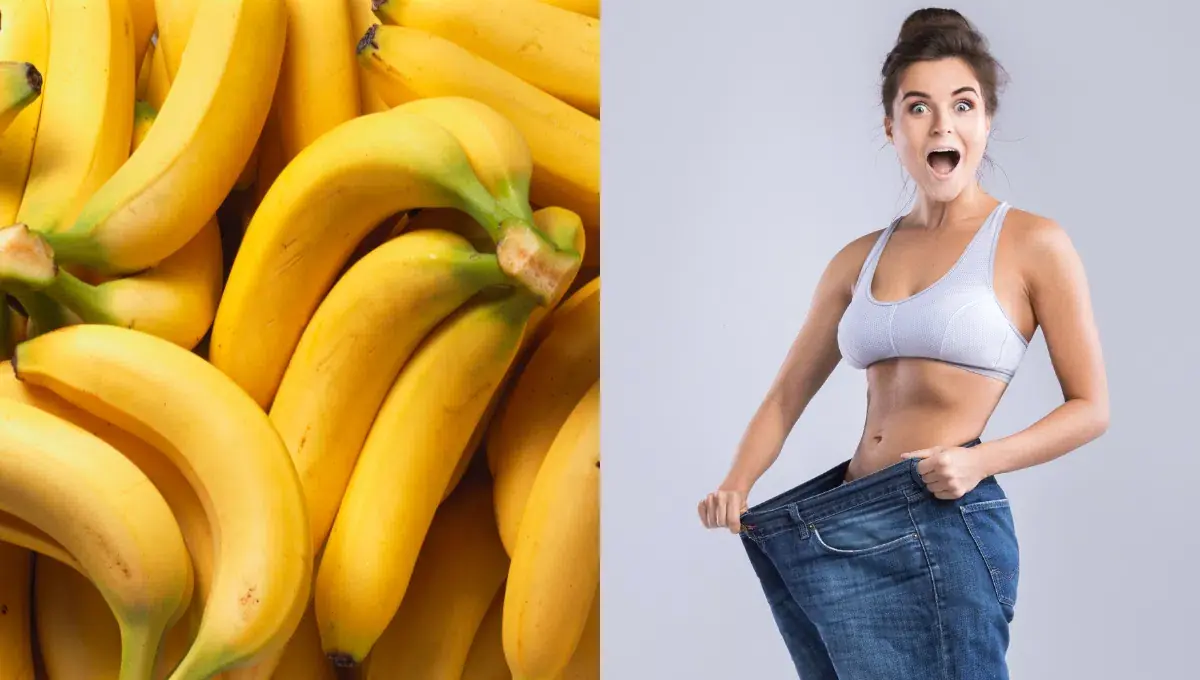
Common Mistakes People Make When Eating Bananas
Eating Bananas Alone and Expecting Them to Keep You Full All Day
A banana can be a convenient snack, but it may not provide enough protein or fat to keep some people satisfied for a long time. If you frequently become hungry shortly after eating a banana, consider pairing it with yogurt, nuts, eggs, or another protein-rich food.
Believing Bananas Automatically Cause Weight Loss
Bananas contain nutrients and can be part of a weight-management plan, but they do not burn fat or directly cause weight loss. Sustainable weight management depends on overall eating patterns, activity, and other lifestyle factors.