However, many shoppers wonder whether the shape of a shrimp can reveal something about its freshness, quality, or safety. Some believe straight shrimp are better, while others prefer curved shrimp because they look more natural. You may even have heard that the shape tells you whether the shrimp was alive when caught or whether it has been stored for too long.
So, which shrimp should you choose: straight or curved?
The answer is more interesting than you might expect. The shape of a shrimp alone is not a reliable way to determine whether it is fresh, high-quality, or safe to eat. Both straight and curved shrimp can be perfectly good purchases. What matters more is the shrimp's smell, texture, color, storage temperature, handling history, and whether it has been properly preserved.
Understanding these differences can help you make smarter decisions at the seafood counter, avoid common buying mistakes, and get better value for your money.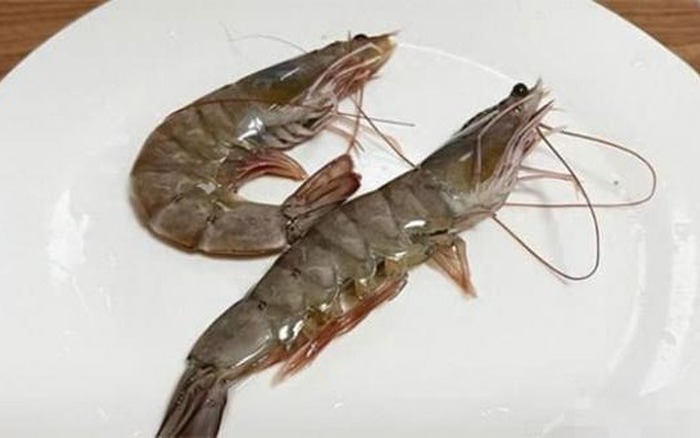
1. Why Do Some Shrimp Look Straight While Others Are Curved?
Before deciding which shrimp to buy, it helps to understand why their bodies can look different.
Shrimp have segmented bodies and flexible joints. Their muscles and external shell allow them to bend and move in response to their surroundings. When shrimp are alive, they can move their tails and bodies into various positions, including a tightly curled shape.
After shrimp are caught, their posture can change because of muscle contraction, relaxation, handling, temperature, and the way they are arranged during storage. Some remain relatively straight, while others curl or bend.
The appearance also depends on the species. Different shrimp species naturally vary in body proportions, shell structure, and the way their tails sit. Some may appear more curved than others even when they are equally fresh.
Handling can make a difference, too. Shrimp that are packed tightly into a container may lie in different positions. Those placed on ice, handled during sorting, or moved during transportation may not all retain the same posture.
Cooking introduces another important distinction. Raw shrimp can look relatively straight, but many shrimp curl as they cook because their muscles contract in response to heat. The resulting shape depends on the species, size, cooking temperature, and preparation method.
This is why it is important not to confuse the appearance of raw shrimp with the appearance of cooked shrimp.
A curved raw shrimp is not automatically fresher than a straight one. Likewise, a straight raw shrimp is not automatically old, spoiled, or of inferior quality.
The shape may offer a clue about posture or handling, but it does not tell the whole story.
2. Is Straight Shrimp Better Than Curved Shrimp?
The simplest answer is no: straight shrimp are not universally better than curved shrimp.
There is no dependable rule stating that every straight shrimp is fresh or that every curved shrimp is spoiled. Freshness must be assessed using several indicators together rather than relying on one visual feature.
Imagine two trays at a seafood market. The first contains straight shrimp that smell strongly unpleasant and feel slimy. The second contains naturally curved shrimp with a clean, mild ocean-like smell, firm flesh, and proper refrigeration.
In this situation, the curved shrimp would be the more sensible choice, assuming the rest of the quality and handling information is satisfactory.
Now imagine the opposite situation: the straight shrimp are properly chilled, firm, and fresh-smelling, while the curved shrimp are soft, discolored, and have an ammonia-like odor. The straight shrimp would be the better option.
The lesson is clear: freshness and safe handling matter more than body shape.
Some shoppers prefer straight shrimp because they are easier to arrange on a plate or prepare for certain recipes. Others prefer naturally curved shrimp because they look more familiar or appealing. These are reasonable preferences, but they should not be confused with reliable evidence of quality.
If you are buying shrimp for grilling, stir-frying, steaming, soup, or another dish, focus first on freshness, size, species, and whether the shrimp are raw or cooked. Shape should be a secondary consideration.
3. What Does a Curved Shape Actually Tell You?
A curved shrimp can simply be a shrimp resting in a naturally bent position. It may also reflect muscle contraction, the species, handling, or previous processing.
The important point is that a curved body is not proof of freshness.
Shrimp have a flexible body structure, and their posture can change for several reasons. Even shrimp from the same batch may not look identical. Some may have their tails tucked inward, while others may lie almost straight.
In certain circumstances, a tightly curled shape can be associated with muscle contraction around the time the shrimp died. However, this observation cannot reliably establish when the shrimp died, how quickly it was chilled, or how well it was stored afterward.
It is therefore misleading to treat a curved body as a universal sign that a shrimp was alive shortly before being caught.
The same caution applies to the idea that curved shrimp are necessarily more natural or healthier. Their posture does not establish their nutritional content, cleanliness, or microbiological safety.
If the shrimp are raw, examine their overall appearance and texture. The shells should generally look reasonably intact for the product being sold, and the flesh should not appear excessively deteriorated. Natural color varies by species, so a particular shade is not a universal freshness standard.
If the shrimp are already cooked, evaluate them differently. Cooked shrimp are commonly curled, and their color changes during cooking. A curled shape is therefore especially unhelpful as a freshness test for cooked products.