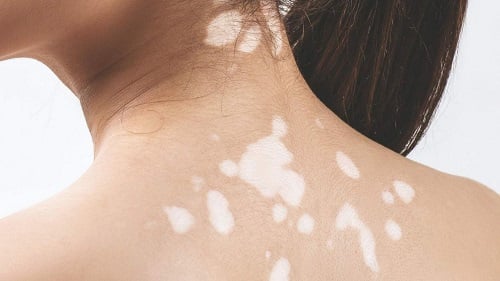
Noticing white or lighter patches on your skin can be unsettling. Many people immediately think of Vitiligo, but the truth is: not all white spots are vitiligo.
There are several common and often harmless - conditions that can cause changes in skin color. Understanding the differences can help you avoid unnecessary worry and know when it’s time to seek medical advice.
🧠 What Causes White Spots on the Skin?
Skin color is determined by melanin, a pigment produced by specialized cells. When melanin production decreases or becomes uneven, lighter patches can appear.
This can happen due to:
- Fungal infections
- Sun exposure
- Skin inflammation
- Aging or minor pigment loss
⚠️ 1. Tinea Versicolor (Fungal Infection)
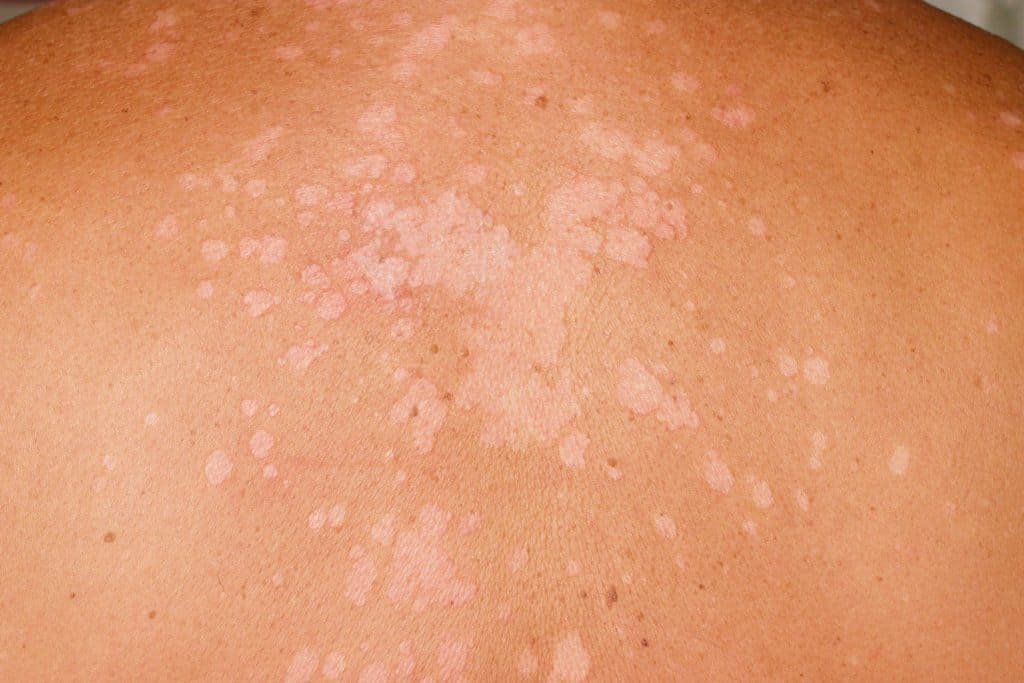
One of the most common causes of white or light patches is Tinea versicolor.
What it looks like:
- Light or white patches (sometimes pink or brown)
- Fine scaling on the surface
- Often appears on chest, back, neck, or arms
Why it happens:
- Overgrowth of a naturally occurring yeast on the skin
Key difference from vitiligo:
- Patches may be slightly scaly
- Color is not completely white
🌞 2. Post-Inflammatory Hypopigmentation
After skin irritation or injury, the affected area may heal lighter than the surrounding skin.
Common triggers:
- Acne
- Burns or cuts
- Skin rashes
What to expect:
- Usually temporary
- Skin color gradually returns over time
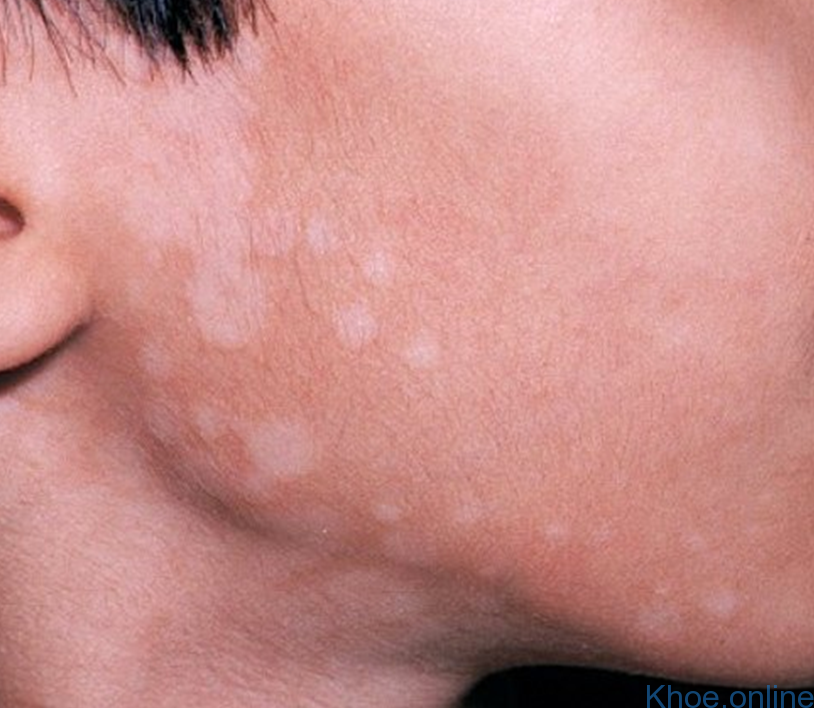
🌿 3. Pityriasis Alba
This is a mild skin condition, often seen in children and young adults.
Features:
- Pale, slightly dry patches
- Common on the face
- More noticeable after sun exposure
Cause:
- Linked to mild eczema or dry skin
👵 4. Idiopathic Guttate Hypomelanosis
These are small white spots that appear with age.
Characteristics:
- Tiny, round white spots
- Often on arms and legs
- More common in people over 40
Cause:
- Long-term sun exposure and aging
🧬 5. Vitiligo (When It Is the Cause)
While not all white spots are vitiligo, it’s still important to understand it.
Signs of vitiligo:
- Bright white, well-defined patches
- Often symmetrical
- Can affect face, hands, elbows, knees
What’s happening:
- The body attacks melanin-producing cells
Unlike other conditions, vitiligo patches are usually:
- Smooth (no scaling)
- More clearly defined
🚨 When Should You Be Concerned?
You should consider seeing a doctor if:
- Patches spread quickly
- The color becomes very white and well-defined
- There are changes in multiple areas
- You’re unsure about the cause
A dermatologist can diagnose the condition accurately.
🛡️ How to Take Care of Your Skin
Regardless of the cause, these habits can help:
✔️ Protect Your Skin from the Sun
Sun exposure can make white spots more noticeable.
✔️ Keep Skin Moisturized
Dry skin can worsen the appearance of patches.
✔️ Avoid Harsh Products
Gentle skincare helps prevent irritation.
✔️ Maintain a Healthy Lifestyle
Balanced nutrition supports overall skin health.
💡 Final Thoughts
White spots on the skin are not always a sign of something serious. In many cases, they are caused by common, manageable conditions like fungal infections or temporary pigment changes.
The key is not to jump to conclusions. Instead, observe the pattern, understand the possibilities, and seek professional advice if needed.
Because when it comes to skin health, awareness and accurate information matter more than assumptions.