
These are the first symptoms of sleeping with... See more
A painful, red skin patch may require prompt medical attention.
Health 29/07/2026 17:54
Onions are found in kitchens around the world. Whether eaten raw in salads, caramelized over burgers, roasted alongside vegetables, or used as the foundation of soups and sauces, they add flavor to countless dishes.
They're also nutritious.
Onions provide vitamin C, small amounts of several other vitamins and minerals, fiber, and plant compounds such as quercetin. Like garlic, leeks, and shallots, onions belong to the Allium family and have been studied for their potential antioxidant and other health-related properties.
But nutritious doesn't necessarily mean comfortable for everyone.
For certain people, onions can trigger bloating, abdominal discomfort, heartburn, diarrhea, or other unpleasant symptoms. A much smaller number of people may experience genuine allergic reactions.
This doesn't mean onions are unhealthy. It simply means that individual tolerance varies, and some medical conditions can make onions more difficult to eat.
Here are seven groups who may need to be more careful with onions—and what you can do if onions seem to bother you.
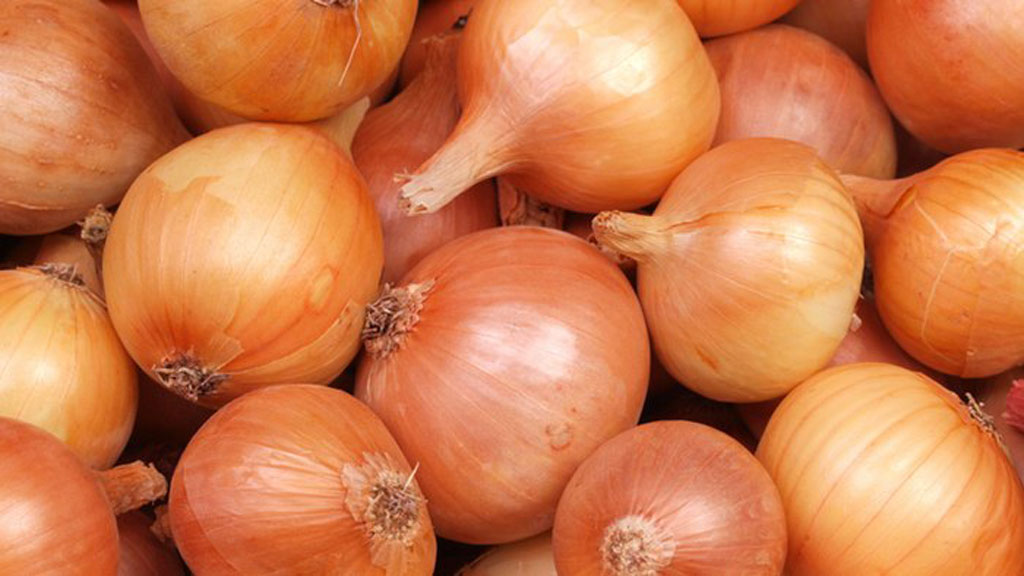
People with irritable bowel syndrome, commonly known as IBS, are among those most likely to report problems after eating onions.
One major reason is that onions are high in fructans.
Fructans belong to a group of short-chain carbohydrates known as FODMAPs, which stands for:
Fermentable Oligosaccharides, Disaccharides, Monosaccharides and Polyols.
These carbohydrates aren't completely absorbed in the small intestine in some people.
Instead, they move into the large intestine, where gut bacteria rapidly ferment them.
This process can produce gas and draw additional water into the intestine.
For someone with IBS, the result may be:
Bloating
Excessive gas
Abdominal pain
Cramping
Diarrhea
Constipation
Changes in bowel habits
Interestingly, people without IBS may eat exactly the same onions without experiencing significant problems.
That's because IBS often involves increased sensitivity in the digestive tract.
Not necessarily.
Tolerance varies significantly.
Some people react to tiny amounts, while others tolerate cooked onions or smaller portions.
A temporary low-FODMAP diet may sometimes be recommended for people with IBS, but it should ideally be followed with guidance from a registered dietitian or qualified healthcare professional.
The goal isn't usually to permanently eliminate every FODMAP-containing food.
Instead, foods are gradually reintroduced to determine individual triggers and tolerance levels.
You don't necessarily need IBS to experience bloating after eating onions.
Because onions contain fermentable carbohydrates, gut bacteria can produce gas as they break them down.
For some people, this leads to:
A swollen feeling in the abdomen
Burping
Flatulence
Abdominal pressure
Temporary discomfort
The amount you eat can make a big difference.
Someone who tolerates a small amount of onion in a cooked meal may feel uncomfortable after eating a large serving of raw onion.
Some people find cooked onions easier to tolerate because cooking changes their texture and makes them softer.
However, cooking doesn't completely remove fructans.
Therefore, people who are particularly sensitive to fructans may still experience symptoms from cooked onions.
If you regularly experience heartburn, onions may be worth paying attention to.
Gastroesophageal reflux disease (GERD) occurs when stomach contents repeatedly move backward into the esophagus.
Common symptoms include:
Heartburn
Sour taste in the mouth
Regurgitation
Chest discomfort
Chronic cough
Throat irritation
Certain foods can worsen symptoms in susceptible individuals.
Raw onions are commonly reported as a trigger by some people with reflux.
However, triggers vary considerably.
One person may experience severe heartburn after onions, while another person with GERD may tolerate them without any problem.
Instead of automatically eliminating onions, consider keeping a food and symptom diary.
Write down:
What you ate
How much you ate
When you ate
When symptoms appeared
After several weeks, patterns may become clearer.
Other common reflux triggers can include:
Alcohol
Large meals
High-fat foods
Chocolate
Peppermint
Coffee
Spicy foods
The best approach is individualized.
A true onion allergy is relatively uncommon, but it can occur.
An allergic reaction happens when the immune system mistakenly identifies a substance in the food as harmful.
Possible symptoms may include:
Itching
Hives
Skin redness
Swelling
Tingling or itching in the mouth
Nausea
Vomiting
Abdominal discomfort
In rare cases, food allergies can cause a severe reaction called anaphylaxis.
Warning signs may include:
Difficulty breathing
Wheezing
Throat tightness
Significant swelling of the lips or tongue
Dizziness
Fainting
Anaphylaxis is a medical emergency.
These are not the same thing.
An allergy involves the immune system.
An intolerance generally involves difficulty digesting or tolerating a particular food or food component.
For example, someone who develops gas and bloating several hours after eating onions may have FODMAP sensitivity rather than an onion allergy.
Anyone who suspects a true food allergy should seek professional evaluation rather than testing the food repeatedly at home.
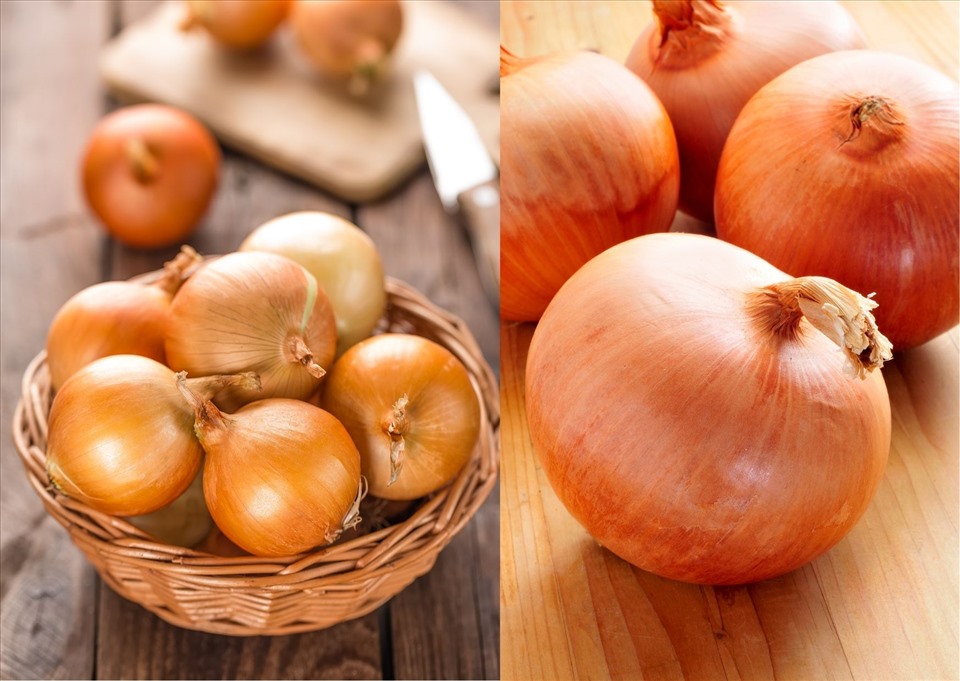
Some people experience digestive symptoms without having a diagnosed allergy or IBS.
Raw onions have a strong flavor and contain compounds that can be difficult for certain sensitive digestive systems to tolerate.
Symptoms may include:
Nausea
Stomach discomfort
Burping
Bloating
Abdominal pressure
Large amounts of raw onion may be particularly problematic.
If this sounds familiar, experiment with smaller portions rather than immediately eliminating onions completely.
You might tolerate:
Thoroughly cooked onions
Smaller quantities
Onion-infused oil
Green parts of spring onions
better than large portions of raw onion.
A low-FODMAP diet is sometimes used as a structured dietary intervention for IBS and certain other functional gastrointestinal disorders.
Onions are among the major foods restricted during the initial low-FODMAP phase because they're rich in fructans.
Other high-fructan foods may include:
Garlic
Wheat-based products
Leeks
Shallots
However, a low-FODMAP diet is not intended to be a permanent, highly restrictive diet for most people.
After an elimination period, foods are typically reintroduced systematically to identify which FODMAP groups cause symptoms.
Long-term unnecessary restriction may reduce dietary variety and could potentially affect the gut microbiome.
That's one reason professional guidance can be valuable.
Migraine triggers vary dramatically between individuals.
Some people report that certain foods—including onions—seem to coincide with headaches or migraine attacks.
However, evidence that onions are a universal migraine trigger is limited.
Migraine can also be influenced by:
Stress
Poor sleep
Hormonal changes
Dehydration
Skipping meals
Alcohol
Caffeine changes
Certain foods
If you suspect onions trigger headaches, don't assume they're automatically responsible.
Instead, keep a detailed diary recording your food intake, sleep, stress, hydration, and headache timing.
This can help identify whether there is a consistent pattern.
For many people, the answer comes back to fructans.
Humans don't have the enzymes necessary to completely break down fructans in the small intestine.
They therefore reach the colon, where bacteria ferment them.
Fermentation produces gases.
This process isn't necessarily harmful.
In fact, certain fermentable fibers can help nourish beneficial intestinal bacteria.
The problem arises when someone is particularly sensitive to the resulting gas and changes in intestinal water.
For people with IBS, even normal amounts of gas can produce significant discomfort because the intestine may be unusually sensitive to stretching.
Here's where things get interesting.
The same fructans that cause digestive problems in some people can act as prebiotic compounds.
Prebiotics are substances used by beneficial gut microorganisms.
So onions can simultaneously be:
Beneficial for some people's gut microbiome
and
A major digestive trigger for other people.
Nutrition is rarely one-size-fits-all.
If onions don't cause symptoms, there's generally no digestive-health reason to eliminate them simply because they're high in FODMAPs.
It depends on the person.
Cooking onions can:
Soften their texture
Reduce their sharp flavor
Make them more palatable
Some people with sensitive stomachs report that cooked onions are easier to tolerate.
However, the fructans responsible for many IBS symptoms are still present.
Therefore, someone following a strict low-FODMAP elimination phase may still need to avoid conventional portions of cooked onion.
This can be a useful alternative for people following a low-FODMAP diet.
Fructans are water-soluble rather than fat-soluble.
As a result, oil infused with onion flavor can often provide the taste of onions without significant amounts of fructans, provided the onion pieces themselves are removed.
Commercial low-FODMAP onion-infused oils are also available.
This allows people who are sensitive to fructans to enjoy onion-like flavor without necessarily experiencing the same digestive symptoms.
Different parts of spring onions or scallions contain different amounts of FODMAPs.
The green tops are commonly used as a lower-FODMAP alternative to regular onions.
They can provide fresh onion-like flavor in:
Salads
Soups
Omelets
Stir-fries
Rice dishes
Noodles
If you're following a medically recommended low-FODMAP diet, check appropriate portion guidance because serving size matters.
For people who tolerate them well, onions can be a nutritious addition to the diet.
They provide:
Vitamin C
Fiber
Folate
Potassium
Flavonoids
Sulfur-containing compounds
One particularly notable compound is quercetin, a flavonoid with antioxidant properties.
Antioxidants help protect cells against oxidative stress.
Onions are also low in calories and can add substantial flavor to meals without requiring large amounts of salt, sugar, or saturated fat.
You'll sometimes see dramatic online claims that onions can “kill cancer cells” or prevent cancer.
The evidence doesn't support treating onions as a cancer-prevention medicine.
Laboratory studies have investigated compounds in onions and other Allium vegetables, and observational research has explored associations between vegetable consumption and cancer risk.
However, no individual food can guarantee cancer prevention or cure cancer.
A more evidence-based approach to reducing cancer risk includes:
Avoiding tobacco
Maintaining a healthy weight
Exercising regularly
Limiting alcohol
Eating plenty of fruits and vegetables
Choosing whole grains and legumes
Limiting processed meats
Participating in recommended screenings
Onions can simply be one part of that broader healthy eating pattern.
Onions contain plant compounds that researchers have investigated for possible metabolic effects.
Some studies suggest potential benefits, but eating onions should not be considered a treatment for diabetes.
People with diabetes can generally include onions as part of a balanced diet unless they have another reason to avoid them.
Prescribed medications should never be replaced with onions, onion juice, or supplements without medical guidance.
For most healthy people, onions eaten in ordinary culinary amounts are safe.
The most likely consequences of eating a very large amount are digestive:
Gas
Bloating
Abdominal discomfort
Heartburn
Diarrhea in sensitive individuals
There's usually no need to set a strict universal limit.
Your individual tolerance matters more.
Onion juice has become popular online for various supposed health benefits.
However, concentrating onions into juice can make it easier to consume a much larger quantity than you would normally eat.
For people sensitive to onions, this may worsen gastrointestinal symptoms.
There is no compelling reason for most people to drink concentrated onion juice for general health.
Eating onions as part of normal meals is simpler and more enjoyable for most people.
Not necessarily.
Start by considering:
How much onion you ate
Whether it was raw or cooked
What else was in the meal
Whether symptoms occur consistently
Whether garlic causes similar problems
If symptoms are mild, reducing portion size may be enough.
If symptoms are frequent or severe, professional evaluation can help determine whether IBS, FODMAP sensitivity, reflux, or another digestive condition may be involved.
When people develop digestive symptoms, it's tempting to start eliminating foods.
First onions disappear.
Then garlic.
Then dairy.
Then gluten.
Eventually, the diet can become unnecessarily restrictive.
This may lead to inadequate intake of:
Fiber
Vitamins
Minerals
Calories
Beneficial plant compounds
It can also make eating socially difficult.
If you're struggling with multiple food intolerances, consider working with a registered dietitian or gastroenterology professional rather than continuously removing foods on your own.
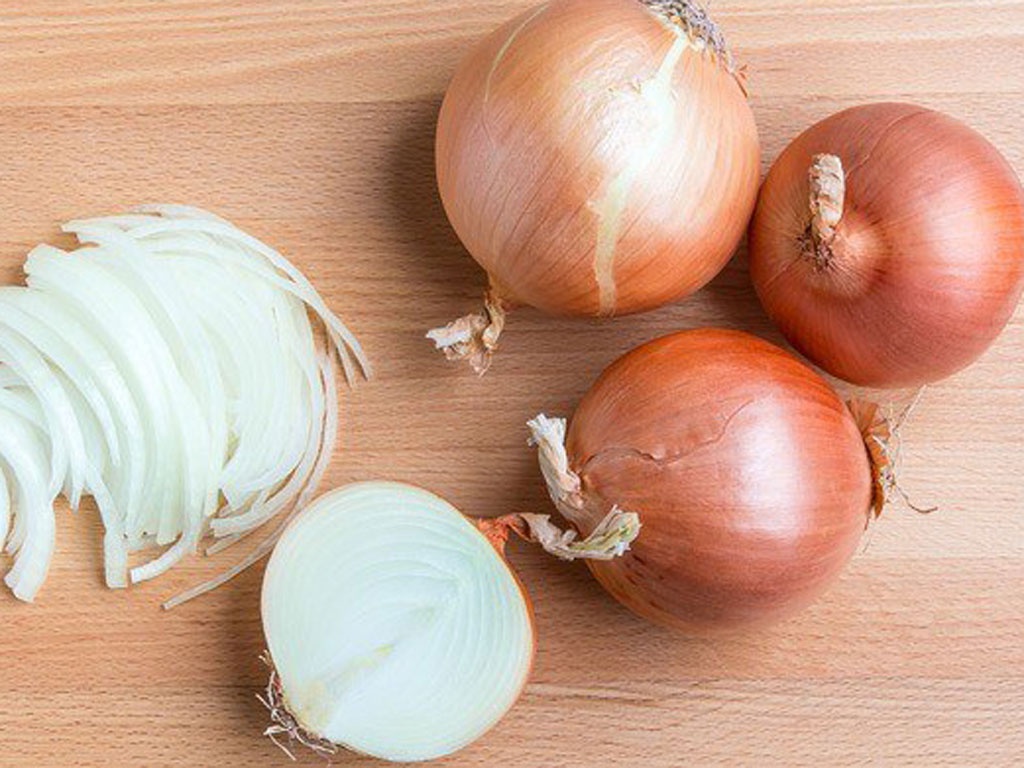
If onions cause mild symptoms rather than a true allergy, several strategies may help.
You may tolerate a small amount better than a large serving.
Some people find cooked onions gentler than raw ones.
They can provide similar flavor with a different FODMAP profile.
This is particularly useful for people sensitive to fructans.
Look for consistent patterns instead of blaming one meal.
Persistent digestive symptoms deserve proper evaluation.
Occasional gas after eating onions is usually not concerning.
However, see a healthcare professional if digestive symptoms are persistent or accompanied by:
Unexplained weight loss
Blood in the stool
Black, tarry stools
Persistent vomiting
Severe abdominal pain
Fever
Difficulty swallowing
Chronic diarrhea
Significant changes in bowel habits
Symptoms that regularly wake you at night
These symptoms shouldn't automatically be attributed to food intolerance.
Digestive discomfort and allergic reactions are very different.
Seek emergency medical care if eating onions is followed by signs of a severe allergic reaction such as:
Difficulty breathing
Severe wheezing
Significant tongue or throat swelling
Fainting
Severe dizziness
Rapidly worsening symptoms involving multiple body systems
Someone with a known severe food allergy should follow the emergency action plan provided by their healthcare professional.
False.
Many people with digestive conditions can tolerate some amount of onion.
Usually not.
Gas and bloating are much more commonly related to carbohydrate fermentation than true food allergy.
Not necessarily.
Cooked onions can still contain fructans.
There is no good evidence that healthy people who tolerate onions need to avoid them for this reason.
Onions are nutritious foods, not medications.
They should not replace appropriate treatment for diabetes, cardiovascular disease, cancer, infections, or other medical conditions.
For most people, the answer is simple:
If onions don't cause symptoms, there's usually no reason to avoid them.
Onions can contribute flavor, fiber, vitamins, and beneficial plant compounds to a balanced diet.
They work particularly well in meals containing:
Vegetables
Beans
Lentils
Whole grains
Eggs
Fish
Lean meats
Using herbs, spices, garlic, and onions can also make nutritious foods more flavorful without relying heavily on salt.
Onions are nutritious and perfectly suitable for most people, but they aren't equally well tolerated by everyone.
The seven groups who may need to pay particular attention include people with IBS, frequent bloating or gas, acid reflux, genuine onion allergies, sensitive digestive systems, those following a low-FODMAP diet, and individuals who suspect onions are a personal headache or migraine trigger.
For many of these people, complete avoidance isn't necessarily required.
Reducing portions, choosing cooked onions, using green onion tops, or trying onion-infused oil may provide alternatives.
A true onion allergy, however, requires a different approach and should be assessed professionally.
Nutrition advice becomes problematic when foods are labeled universally “good” or “bad.”
Onions are a perfect example.
For one person, they may be an inexpensive, flavorful source of fiber and plant compounds. For another person with IBS, the same meal could lead to hours of bloating and abdominal pain.
Pay attention to how your own body responds.
If onions consistently cause mild digestive symptoms, experiment with portion size and preparation method. If symptoms are severe, persistent, or associated with warning signs such as bleeding, unexplained weight loss, severe pain, or difficulty swallowing, seek medical advice.
And if onions don't bother you?
There's generally no reason to fear them. Enjoying onions alongside a diverse range of vegetables, fruits, whole grains, legumes, and other minimally processed foods can fit comfortably into a nutritious, balanced diet.
A painful, red skin patch may require prompt medical attention.

Eating the same foods daily may limit nutrition more than you realize.

Celery Isn’t for Everyone: These 5 Groups Should Be Cautious
Eat for Better Immunity: 20 Nutrient-Packed Foods to Add to Your Meals
5 Common Morning Mistakes That Could Work Against Your Heart Health

The Surprising Reason Some People Keep Garlic Beside Their Bed at Night
Could Eating Parsley Benefit Your Health? Here's What the Evidence Says
10 Possible Lung Can.cer Warning Signs and When to See a Doctor

Simple Dietary Tips That May Help Reduce Mild Fluid Retention

Struggling to Relax at Night? Try These 5 Simple Bedtime Drinks

Bumps on Your Neck? Don’t Panic, but Know When to Pay Attention.
Want Better Digestion? These 6 Foods May Be a Great Way to Start Your Day

Chicken Feet Contain Plenty of Collagen—Here's What That Could Mean for Your Diet.
Walnuts Are Packed With Nutrients—but Here's What They May Actually Do to Your Body.

Love Eggs for Breakfast? Here's What Regularly Eating Them May Do to Your Body.

Prominent Veins: When They're Normal and When You Should Get Them Checked.

Have You Ever Noticed These Small Dents on Your Lower Back? Here's What They Are.
Avocados Are Packed With Nutrients—But Here's What They May Do to Your Body.

A ring-shaped rash is often harmless, but some cases require prompt evaluation.
Found This Tiny Insect in Your Kitchen? Check Your Pantry Now
A painful, red skin patch may require prompt medical attention.
Eating the same foods daily may limit nutrition more than you realize.



When Love Meets the Truth
Celery Isn’t for Everyone: These 5 Groups Should Be Cautious
Eat for Better Immunity: 20 Nutrient-Packed Foods to Add to Your Meals

5 Common Morning Mistakes That Could Work Against Your Heart Health

The Husband Who Read Their Love Story Every Day
The Surprising Reason Some People Keep Garlic Beside Their Bed at Night
Could Eating Parsley Benefit Your Health? Here's What the Evidence Says
10 Possible Lung Can.cer Warning Signs and When to See a Doctor
Simple Dietary Tips That May Help Reduce Mild Fluid Retention
Struggling to Relax at Night? Try These 5 Simple Bedtime Drinks

The Two Girls and the Old Photograph
Bumps on Your Neck? Don’t Panic, but Know When to Pay Attention.
Want Better Digestion? These 6 Foods May Be a Great Way to Start Your Day