But why do centipedes enter houses in the first place? Does their appearance mean your home is dirty? Could it indicate excess moisture, hidden insects, or a problem you have not noticed yet?
The truth is that centipedes usually enter homes for practical reasons related to food, moisture, shelter, and access. Their presence does not automatically mean that your house is unclean, nor is it a supernatural warning or a reliable sign of bad luck.
Understanding what attracts these creatures can help you respond calmly, protect your household, and reduce the likelihood of seeing them again.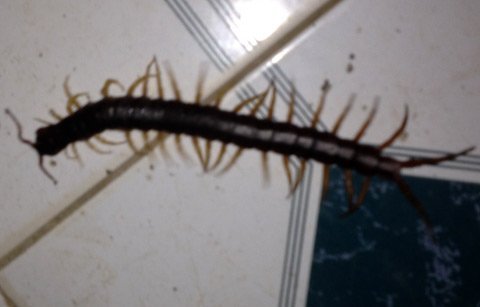
1. The First Thing a Centipede May Be Looking For Is Food
One of the most important reasons centipedes appear indoors is the availability of prey.
Centipedes are predators. Unlike many household pests that feed on stored food, crumbs, or decaying organic matter, they hunt other small animals, including insects and spiders.
Depending on the species and environment, their prey may include cockroaches, silverfish, flies, insect larvae, and other small arthropods.
This means that your home may provide a convenient hunting ground.
What does this mean for your house?
Seeing a single centipede does not prove that you have an insect infestation. A centipede may simply have wandered indoors while searching for food.
However, if you repeatedly encounter centipedes in the same area, it is worth checking for other pests.
Look for signs such as:
-
Cockroaches appearing at night.
-
Silverfish in bathrooms, closets, or storage areas.
-
Small insects around windows and doors.
-
Insects hiding beneath cardboard boxes or furniture.
-
Unexplained pest activity around drains, cabinets, and utility spaces.
House centipedes are known to prey on other household arthropods. According to Penn State Extension, frequently seeing them may indicate that another population of small arthropods is providing a steady food source.
Rather than focusing exclusively on the centipede, investigate the conditions that allow its prey to thrive.
Reducing insect activity can make your home less attractive to these predators over time.
2. Excess Moisture Can Make Your Home More Attractive
Another common reason centipedes appear indoors is moisture.
Many centipede species prefer humid environments and hide in cool, damp places during the day. Outdoors, they may live beneath stones, fallen leaves, logs, mulch, or other materials that retain moisture.
Inside a house, suitable hiding places may include bathrooms, laundry rooms, basements, crawl spaces, and areas affected by plumbing leaks.
Why do bathrooms attract centipedes?
Bathrooms often combine several conditions that centipedes find favorable: moisture, dark hiding places, and potential access to small insects.
Water may collect around shower fixtures, beneath sinks, behind toilets, or near damaged seals. Poor ventilation can also allow humidity to remain high for extended periods.
A centipede found in the bathroom may have entered through a small gap or moved from another damp area.
Its presence does not necessarily mean that the bathroom is dirty. Even a regularly cleaned room can develop moisture problems if ventilation is inadequate or a pipe is leaking.
What should you check?
Inspect the areas beneath sinks and around toilets for dripping pipes, damp cabinet floors, or water stains.
Check whether bathroom exhaust fans work properly, and use them when showering if available. Repair leaking fixtures, dry persistently wet surfaces, and improve ventilation where possible.
If centipedes repeatedly appear in a basement or laundry room, consider whether the area has a persistent humidity problem.
The goal is not to make every part of your house completely dry. It is to eliminate unnecessary moisture and reduce the damp hiding places that allow pests to survive.
3. Small Cracks and Gaps May Be Giving Them Access
Centipedes do not need a wide-open door to enter a building. Small openings around the structure can provide access.
Common entry points include gaps beneath exterior doors, cracks in foundation walls, openings around plumbing pipes, damaged window seals, and spaces where utility cables enter the house.
Some may also enter through poorly sealed structural openings or be accidentally brought indoors with stored materials and potted plants.
Why tiny openings matter
A house may appear securely closed while still containing numerous small gaps.
Over time, weather, settling, and ordinary wear can create spaces around doors, windows, and foundations. These openings may allow centipedes and other small creatures to move inside.