Fortunately, a centipede in a bedroom does not automatically mean that your bed or mattress is infested.
Centipedes may enter bedrooms while searching for prey or shelter. They can move along baseboards, beneath furniture, through gaps around windows, or into dark spaces behind wardrobes and storage containers. If small insects are present, the bedroom may also provide a potential hunting area.
To reduce the likelihood of encounters, keep bedding from touching the floor, vacuum beneath beds and furniture regularly, and avoid leaving piles of clothing or cardboard boxes undisturbed for long periods. Check window screens and gaps around doors, especially if your bedroom is on the ground floor.
If you discover a centipede near your bed, avoid reaching beneath furniture blindly. Turn on the lights, keep your distance, and use a safe removal method. If sightings continue, investigate possible entry points and other insects rather than assuming the mattress itself is responsible.
16. Can Houseplants and Garden Materials Bring Centipedes Indoors?
Plants can make a home feel more inviting, but potting soil and outdoor gardening materials may occasionally provide shelter for small arthropods.
Centipedes naturally live in many outdoor environments, particularly beneath stones, leaves, and other materials that retain moisture. A centipede may therefore enter a house on a plant pot, in soil, or among objects moved from the garden.
This does not mean that indoor plants are inherently problematic. Most people can keep houseplants without experiencing persistent centipede issues.
However, if you repeatedly notice small creatures around plant containers, inspect the surrounding area. Avoid allowing water to accumulate beneath pots, remove dead leaves, and ensure that containers drain properly. When bringing plants indoors, check the outside of the pot and the surrounding materials for visible insects.
Garden tools, firewood, outdoor cushions, and storage boxes can also occasionally carry small animals inside. Inspecting these items before bringing them indoors is a simple precaution.
If centipedes appear near several plant containers, consider whether the area is consistently damp or whether other insects are present. Correcting these conditions may help reduce activity without requiring you to remove healthy plants.
17. Do Centipedes Mean There Are More Hiding Somewhere?
One of the most common concerns after seeing a centipede is the possibility of a hidden group living inside the walls.
A single sighting cannot tell you how many centipedes may be nearby. Some species are solitary predators, and an individual may simply have wandered indoors from outside. Others may remain concealed in suitable habitats, making occasional encounters possible.
Rather than assuming that many centipedes are hiding in your home, look for patterns.
Are you seeing them repeatedly in the same room? Do they appear mainly in a damp basement or bathroom? Have you noticed other insects in the area? Are there gaps around doors or pipes that could provide access?
These observations can help distinguish an occasional visitor from a recurring pest issue.
If you regularly encounter centipedes in several rooms, a more thorough inspection may be worthwhile. A pest-management professional can help identify the species, locate contributing conditions, and determine whether targeted treatment is necessary.
Remember that the goal is not to prove that every corner is free of insects. It is to identify and correct the conditions that make indoor encounters more likely.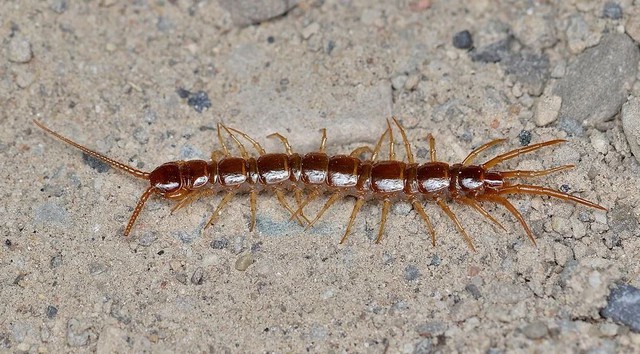
18. Building Long-Term Habits for a Less Pest-Friendly Home
The most effective prevention strategies are often ordinary maintenance habits repeated consistently.
Once a week, check areas where moisture tends to accumulate, including beneath sinks, around laundry equipment, and near bathroom fixtures. Deal with leaks promptly rather than allowing dampness to persist.
During routine cleaning, move lightweight furniture when practical and vacuum along baseboards and in corners. Store food securely, clean up spills, and address any insect activity you discover.
Outside, keep unnecessary piles of leaves and decaying wood away from the immediate foundation. Maintain suitable drainage and repair damaged screens or door seals when needed.
Avoid using excessive pesticides as a substitute for these measures. Chemical treatments may have a role in certain situations, but unnecessary applications can expose household occupants and pets to risks without resolving the underlying cause.
Most importantly, do not let the appearance of a centipede create unnecessary anxiety. These creatures are part of the natural environment, and an occasional indoor encounter is not proof of a serious household problem.
The best protection comes from understanding what attracts centipedes, reducing their access to food and shelter, and maintaining the home thoughtfully over time.