Chapter 1: The Strange Little Insects Appearing in Your Home
Imagine walking into your bathroom late at night, switching on the light, and suddenly noticing something small and shiny darting across the floor. Before you can get a closer look, it disappears beneath a cabinet or slips into a narrow crack along the wall.
You may initially think it was a tiny piece of debris or a shadow. But then you see another one a few days later. Perhaps it appears near the bathtub, inside a closet, or beside a stack of old books.
The creature may be a silverfish.
Silverfish are small, wingless insects with silver-gray bodies, long antennae, and three tail-like appendages. Their quick, fish-like movements make them easy to recognize once you know what to look for.
Although their unusual appearance can be unsettling, silverfish are generally considered nuisance pests rather than a direct danger to humans. They do not bite people and are not known to spread major human diseases.
However, their presence inside a home may reveal something worth investigating.
Silverfish prefer dark, protected environments with suitable moisture and food sources. This explains why they are frequently found in bathrooms, basements, kitchens, laundry rooms, closets, and storage areas.
Unlike many household pests, silverfish do not depend entirely on exposed food scraps. They can feed on materials containing starches and carbohydrates, including paper, cardboard, wallpaper adhesives, and certain fabrics.
This means their food sources may be hiding in places homeowners rarely inspect.
A quiet storage room filled with old documents, cardboard boxes, and unused belongings may provide everything they need: darkness, shelter, and potential food.
Their presence does not automatically mean a home has a serious infestation. An individual insect may have entered accidentally or arrived with stored materials. However, repeated sightings in the same location may indicate that the environment is allowing them to survive.
The important question is not simply how to kill the insect. It is understanding why it appeared in the first place.
Look carefully at the surrounding area. Is the room unusually humid? Are there damp towels, leaking pipes, or cardboard boxes stored against the wall? Does the space remain dark and undisturbed for long periods?
These details may reveal the conditions attracting silverfish.
And among all the possible explanations, one factor deserves particular attention. It is often difficult to notice until the damage becomes visible.
That factor is excess moisture.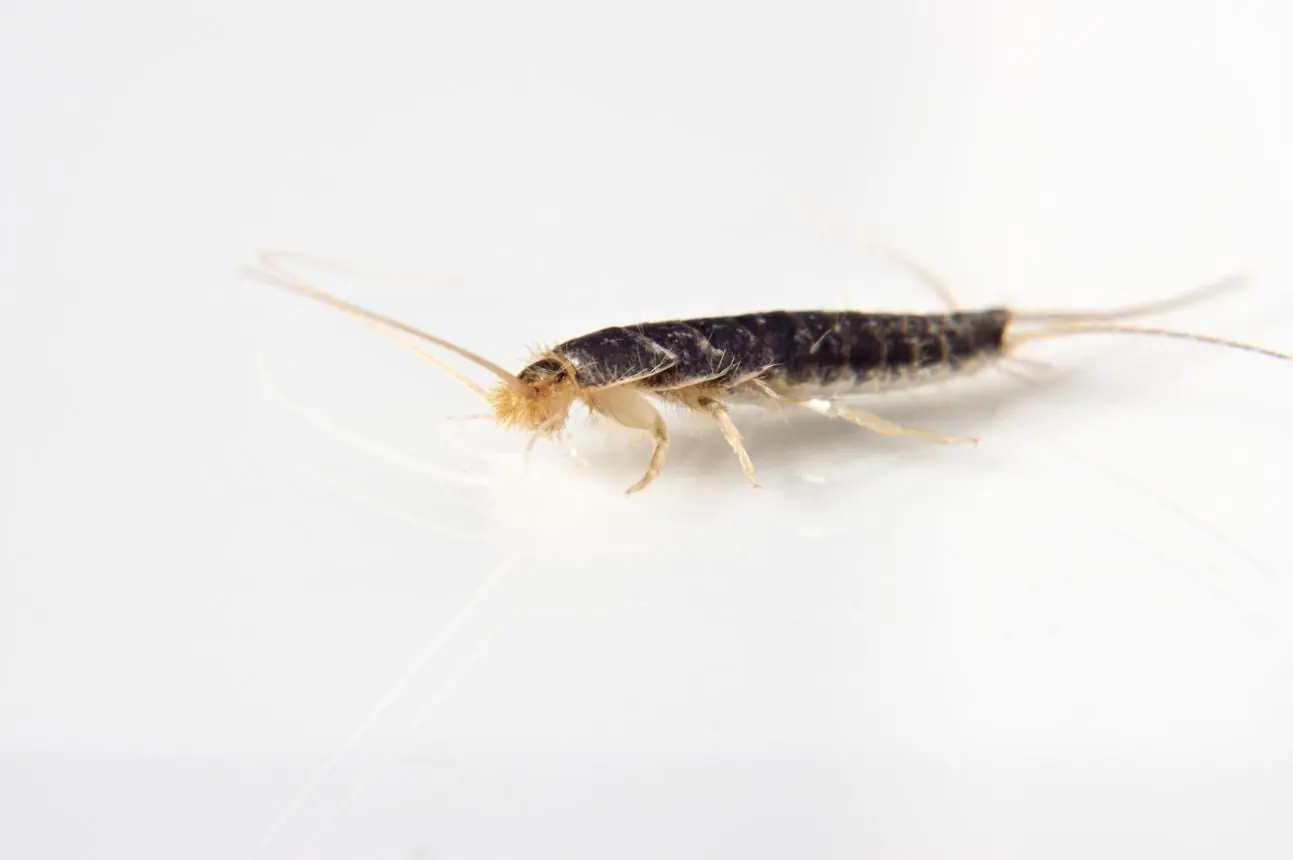
Chapter 2: Excess Moisture May Be the Biggest Warning Sign
One of the main reasons silverfish enter homes is humidity.
These insects generally prefer damp environments because their bodies are vulnerable to drying out. Bathrooms, basements, laundry rooms, and poorly ventilated storage areas can provide suitable conditions for them to survive.
Consider a bathroom where the mirror remains fogged long after someone takes a shower. The floor may look dry, but moisture can remain around cabinets, beneath mats, behind stored items, and inside poorly ventilated spaces.
A small leak beneath a sink can be even harder to detect. Water may slowly collect inside a cabinet, soak into nearby materials, and create a humid hiding place.
Other possible signs of moisture problems include:
-
Condensation on windows or walls.
-
Musty or damp smells.
-
Peeling wallpaper or bubbling paint.
-
Water stains beneath sinks.
-
Damp patches around pipes.
-
Rooms that remain humid long after cleaning.
Silverfish are not a reliable way to diagnose water damage, and their presence does not prove that mold is growing inside a home. However, repeated sightings in damp areas can be a useful reason to inspect the surroundings.
Why moisture deserves attention
Excess moisture can create conditions that encourage mold and mildew growth.
Mold may develop on drywall, wood, wallpaper, insulation, and other materials when moisture remains present. Some types can contribute to indoor air-quality problems and trigger allergic reactions or respiratory symptoms in sensitive individuals.
Persistent dampness can also damage household materials. Wood may swell or deteriorate, wallpaper may loosen, and cardboard may become soft or discolored.
This is why homeowners should investigate the underlying moisture source rather than focusing exclusively on the insects.
How to reduce indoor humidity
Start by checking bathrooms and kitchens for leaking pipes or dripping taps. Make sure exhaust fans are working properly and allow humid air to escape after showers.
In basements, inspect walls, floors, and corners for signs of water intrusion. Avoid placing boxes directly against damp walls or on floors where moisture may accumulate.
A dehumidifier may also help in particularly humid spaces.
Keeping indoor relative humidity below approximately 60% can help reduce conditions favorable to mold growth. A range around 30% to 50% is often recommended when practical.
However, moisture is only part of the problem.
Even when a home becomes drier, silverfish may continue finding food in unexpected places. Their diet is surprisingly unusual, and some of their favorite sources may already be sitting on your bookshelves.
Chapter 3: Your Books, Paper, and Clothing May Be Attracting Them
Many household pests are attracted to exposed food, crumbs, or garbage. Silverfish are different because some of their preferred food sources may not look like food at all.