They can feed on materials containing starches and other carbohydrates, including paper products, certain adhesives, and some fabrics.
This explains why silverfish are sometimes discovered between books, inside storage boxes, or near old documents.
Why books can attract silverfish
Books contain paper, and their bindings may contain adhesives that provide potential food sources.
Old newspapers, magazines, cardboard packaging, photographs, and stored documents may also become vulnerable under suitable conditions.
The damage is often gradual. Silverfish may leave small irregular holes, surface scraping, or marks around paper edges and book bindings.
A single insect may cause little noticeable damage, but repeated activity can affect valuable documents and collections over time.
What about clothing?
Certain fabrics may also be affected, particularly when they contain starch, glue, or other residues.
Clothing stored for long periods without cleaning may retain traces of sweat, food, and other organic material.
Closets with poor airflow can provide dark, undisturbed hiding places. If humidity is also high, the conditions may become even more attractive.
This does not mean every wardrobe is at risk. Clean, dry, regularly inspected storage areas are generally less inviting than damp spaces filled with neglected belongings.
Cardboard boxes create convenient hiding places
Cardboard boxes are commonly used to store seasonal decorations, old paperwork, shoes, and household possessions.
Unfortunately, they can provide excellent shelter for silverfish.
The spaces between boxes create darkness and protection from disturbance. Cardboard can also absorb moisture, making the surrounding environment more suitable for these insects.
Consider transferring important documents, photographs, and clothing into suitable sealed plastic containers.
This will not solve an underlying humidity problem, but it can make stored belongings less accessible.
Protecting your belongings
A few simple habits can reduce the risk of damage:
-
Keep bookshelves away from persistently damp walls.
-
Store important documents in dry, sealed containers.
-
Avoid leaving newspapers and cardboard in damp basements.
-
Clean clothing before long-term storage.
-
Inspect boxes and closets regularly.
-
Remove unnecessary paper materials.
If silverfish repeatedly appear near books or fabrics, inspect the entire area rather than removing only the insects you can see.
Food is one reason they stay. Shelter is another.
And the more belongings packed into a space, the more hiding places these insects may have.
Chapter 4: Clutter Creates the Perfect Hiding Places
A crowded storage room may seem harmless. A few boxes in the basement, old magazines beside a bookshelf, or a closet filled with clothes that have not been worn for years may simply look like ordinary household storage.
But to silverfish, these spaces can provide darkness, shelter, and access to food.
Silverfish naturally prefer narrow, protected places. They often remain out of sight during the day and become more noticeable when surrounding areas are dark and quiet.
Clutter makes it easier for them to remain hidden.
Where do silverfish hide?
Common hiding places include:
-
Behind cabinets and bookshelves.
-
Beneath cardboard boxes.
-
Inside closets and storage rooms.
-
Along baseboards and wall cracks.
-
Under furniture.
-
Around damp pipes and sinks.
A storage room filled with boxes may also have limited airflow. Dust accumulates, materials absorb moisture, and certain areas may remain untouched for months.
This combination can make the room attractive to silverfish.
Why decluttering helps
Reducing unnecessary storage does not mean throwing away everything you own.
Instead, remove materials that are no longer useful and organize the belongings you want to keep.
Inspect cardboard boxes, recycle unnecessary newspapers, and transfer valuable items into appropriate containers.
Whenever possible, leave space between stored belongings and walls. This improves airflow and makes it easier to inspect hidden areas.
Regular cleaning matters
Vacuuming can help remove dust, small food particles, and insects hiding in accessible places.
Pay particular attention to:
-
Along baseboards.
-
Beneath furniture.
-
Behind cabinets.
-
Inside closet corners.
-
Around bookshelves.
-
Under storage boxes.
Cleaning alone may not eliminate an established infestation, but it can reduce some of the resources and hiding places that support silverfish.
It is also worth checking cracks and openings around pipes, windows, and door frames. Suitable gaps can be sealed with appropriate materials, provided they are not needed for ventilation or drainage.
Even a tidy home can occasionally contain silverfish, so their presence should not automatically be interpreted as a sign of poor housekeeping.
The surrounding environment matters more than appearances.
And there is another environmental factor that can make a clean, organized home attractive to these insects: poor ventilation.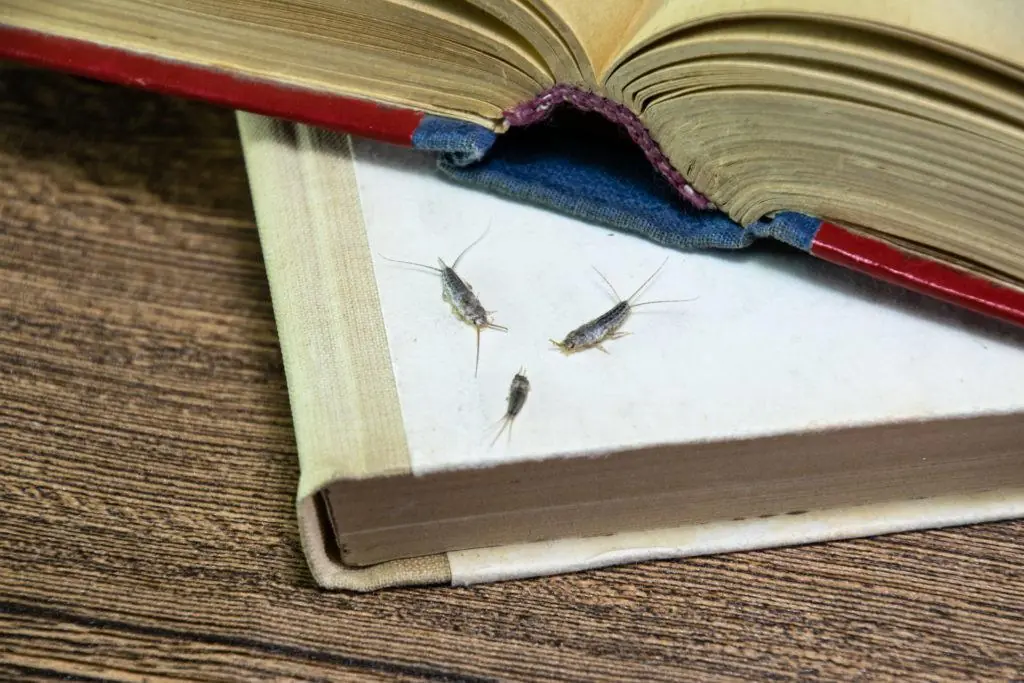
Chapter 5: Poor Ventilation, Nighttime Sightings, and Natural Repellents
Silverfish are often described as nocturnal insects because they tend to be more active in darkness and generally avoid exposed, brightly lit areas.
This explains why many people first notice them at night.
Someone may enter the bathroom, switch on the light, and see a silverfish dart beneath the bathtub. Another person may discover one moving across the kitchen floor after turning on the lights.
These insects are usually not appearing out of nowhere. They may have been hiding nearby for hours.
Why poor ventilation matters
Bathrooms, basements, and laundry rooms often produce or retain moisture.
When these spaces have inadequate ventilation, humid air may remain trapped for long periods.