Although varicose veins often develop gradually, people sometimes notice them suddenly because of changes in temperature, activity, or the position of their legs.
Persistent or bothersome symptoms deserve medical evaluation. A clinician may examine the legs and recommend a duplex ultrasound if necessary to assess blood flow and vein function.
Treatment depends on the severity of the condition and may include movement, leg elevation, compression garments when appropriate, or medical procedures.
Varicose veins are common, but significant swelling, skin changes, bleeding, or a painful, inflamed vein should not be ignored.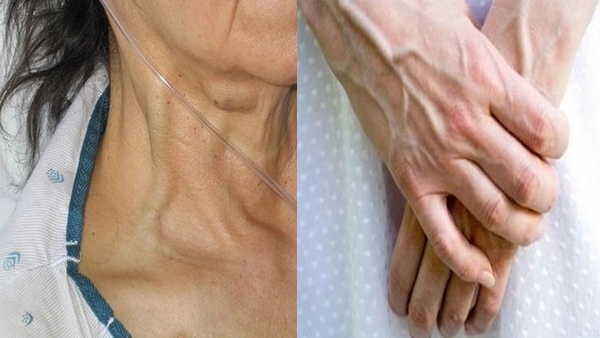
8. Chronic Venous Insufficiency Can Cause More Than Visible Veins
Chronic venous insufficiency is a condition in which the veins in the legs have difficulty returning blood efficiently toward the heart.
It can develop when venous valves are damaged or when other factors interfere with normal blood flow.
As pressure builds within the affected veins, blood can accumulate in the lower legs. Over time, this may contribute to swelling, discomfort, skin changes, and more visible superficial veins.
Common symptoms include:
-
Swelling around the ankles or lower legs, especially after standing for long periods.
-
Aching, heaviness, or fatigue in the legs.
-
Itching or irritation around affected veins.
-
Brownish discoloration of the skin near the ankles.
-
Skin that becomes thickened or inflamed in more advanced cases.
-
Wounds near the ankles that heal slowly.
Not everyone with prominent veins has chronic venous insufficiency. The condition is more likely to be considered when visible veins occur alongside persistent leg swelling or other characteristic symptoms.
A medical evaluation can help distinguish ordinary superficial veins from a condition that affects venous circulation.
Management may involve regular walking, avoiding prolonged immobility, elevating the legs, and using compression therapy when recommended by a healthcare professional.
Some people require additional treatments depending on the severity of the condition.
The important point is that visible veins are only one possible sign. Persistent swelling, skin changes, and discomfort provide additional information about whether the underlying circulation needs assessment.
9. Dehydration May Change How Your Veins Look
Dehydration occurs when your body loses more fluid than it takes in.
It can happen during hot weather, after heavy sweating, during prolonged exercise, or when illness causes vomiting or diarrhea.
Dehydration affects circulation and can cause symptoms such as thirst, dry mouth, darker urine, dizziness, and reduced urination.
Some people may also notice changes in the appearance of superficial veins, particularly when dehydration occurs alongside weight loss, heat exposure, or exercise.
However, dehydration is not a reliable explanation for every instance of prominent veins. Vein visibility is influenced by several interacting factors, and a person's appearance alone cannot establish their hydration status.
If you suspect mild dehydration, drinking fluids and replacing electrolytes when appropriate may help, depending on the circumstances.
People with significant fluid loss, persistent vomiting, confusion, fainting, or an inability to keep fluids down may require urgent medical care.
It is also important to recognize that drinking excessive amounts of water is not a treatment for unexplained bulging veins.
If the veins remain unusually prominent or are accompanied by pain, swelling, or discoloration, seek medical advice rather than repeatedly trying to correct the problem through hydration alone.
10. Certain Medications and Medical Conditions May Play a Role
Changes in vein visibility can sometimes occur alongside medical conditions or treatments that affect body composition, fluid balance, circulation, or the skin.
For example, medications that influence fluid balance may contribute to changes in body weight or swelling. Some treatments may also affect the appearance of the skin or underlying tissues.
Thyroid disorders and other conditions that affect metabolism may cause changes in weight or body composition, which can indirectly influence how prominent superficial veins appear.
Heart, kidney, and liver conditions can cause fluid accumulation in the body. These conditions do not simply explain every bulging vein, but swelling or other circulation-related changes may occur alongside more visible superficial vessels.
A blood clot is another important possibility when new vein prominence appears with particular symptoms, although visible veins alone are not sufficient to diagnose a clot.
If your veins become more noticeable after starting a medication, changing a dose, or developing a new medical condition, discuss the timing with your healthcare professional.
Do not stop a prescribed medication without medical advice.
The goal is to determine whether the change is related to the treatment, an underlying condition, or an unrelated factor.
A clinician may review your symptoms, medical history, medications, and physical examination findings to decide whether further testing is appropriate.
11. Blood Clots Can Cause Sudden Changes That Need Urgent Attention
One of the most important causes to recognize is deep vein thrombosis, commonly known as DVT.
DVT occurs when a blood clot forms in a deep vein, most often in the leg. The clot can interfere with normal blood flow and cause pressure to build in the affected limb.
Symptoms may include:
-
Swelling in one leg or arm.
-
Pain or tenderness, sometimes resembling a muscle cramp.
-
Warmth in the affected area.
-
Redness or other changes in skin color.
-
New, unusually prominent superficial veins in the affected limb.