Veins that have always been visible, or that become temporarily prominent after exercise or heat exposure, are often less concerning when no other symptoms are present.
A change deserves medical attention when it is unexplained, persists, progresses, or occurs alongside other physical symptoms.
Arrange a medical appointment if you notice:
-
Veins that become progressively larger or more twisted.
-
Persistent aching, heaviness, or itching in the legs.
-
Recurrent swelling around the ankles or lower legs.
-
Skin discoloration, thickening, or sores near the ankles.
-
A newly painful or firm vein.
-
Unexplained weight loss or other new systemic symptoms.
-
A persistent change in one arm or leg that differs substantially from the other.
Seek prompt medical assessment for sudden one-sided limb swelling, particularly when accompanied by pain, warmth, or redness, because these symptoms can indicate DVT.
Seek emergency care for symptoms suggestive of a pulmonary embolism, including sudden shortness of breath, chest pain, coughing up blood, or fainting.
A healthcare professional may examine the affected area and ask about the timing of the change, recent exercise, travel, surgery, medications, family history, and other symptoms.
Depending on the findings, testing may include a duplex ultrasound to assess blood flow or investigate suspected venous disease or blood clots.
Not everyone with prominent veins needs imaging or treatment. The appropriate approach depends on the clinical picture.
16. What Can You Do to Support Healthy Vein Function?
If your veins are visible but you have no warning signs, several general habits can support circulation and reduce discomfort associated with prolonged sitting or standing.
Move regularly. Walking and other forms of physical activity activate the leg muscles and support venous return. If you work at a desk, take regular movement breaks rather than remaining in one position for hours.
Avoid prolonged immobility. During long journeys, move your feet and ankles regularly and stand or walk when it is safe to do so. People at increased risk of blood clots may need individualized medical advice about prevention.
Maintain a comfortable body weight. Excess body weight can increase pressure on the veins of the legs in some people. Weight management should focus on sustainable health habits rather than trying to make veins less visible.
Elevate your legs when appropriate. If you experience swelling associated with venous problems, elevating your legs while resting may provide relief. Persistent or unexplained swelling still requires assessment.
Stay adequately hydrated. Drink fluids according to your needs, activity, and environmental conditions. People with medical conditions requiring fluid restriction should follow their clinician's instructions.
Consider compression only when appropriate. Compression stockings may help some people with venous symptoms, but they are not suitable for every individual or every circulation problem. Seek professional advice about the type and fit, especially if you have peripheral arterial disease or other significant medical conditions.
Protect your skin. If you have varicose veins or chronic venous insufficiency, moisturizing the skin and seeking treatment for persistent irritation can help protect against skin damage.
Do not stop prescribed medications on your own. If you suspect a medication is contributing to a change, discuss it with the prescriber.
These measures can support general circulation and symptom management, but they cannot eliminate every cause of prominent veins. Nor is it necessary to treat harmless visible veins simply because they are noticeable.
17. Can Prominent Veins Be Treated for Cosmetic Reasons?
Some people seek treatment because visible veins cause discomfort or affect their confidence.
The options depend on the type of vein involved.
For varicose veins, treatment may include procedures such as endovenous ablation, sclerotherapy, or surgery in selected cases. These treatments aim to close or remove problematic veins and improve symptoms or appearance.
Small superficial veins may sometimes be treated with sclerotherapy or laser-based procedures, depending on their location and characteristics.
Prominent hand veins can be more complicated to treat because they may be normal superficial veins rather than diseased vessels. Cosmetic treatment should be approached cautiously, with attention to circulation, function, and potential complications.
A qualified healthcare professional can determine whether treatment is appropriate and explain the expected benefits, limitations, and risks.
It is important not to use cosmetic procedures to address a vein that has recently changed without first understanding the cause.
A new bulging vein may need medical evaluation before any cosmetic treatment is considered.
The goal should be to protect health and function, not to assume that every visible vein is a problem.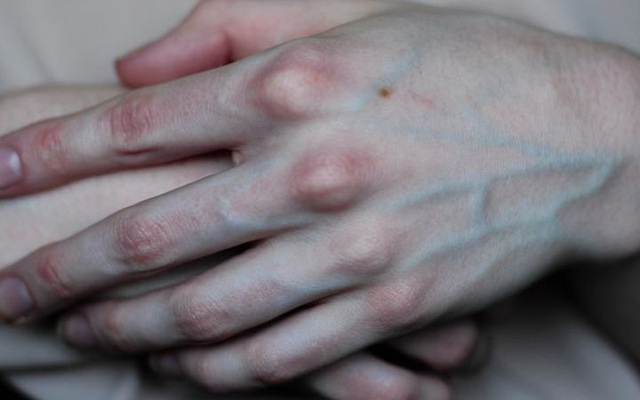
Final Thoughts: Pay Attention to the Change, Not Just the Appearance
Veins can become more prominent for many reasons. Exercise, hot weather, aging, genetics, changes in body fat, and hormonal shifts can all influence how clearly superficial veins appear.
In other cases, enlarged or painful veins may be associated with varicose veins, chronic venous insufficiency, superficial vein inflammation, or a blood clot.
The appearance alone rarely tells the entire story.
Pay attention to when the change began, whether it affects one limb or both, whether it disappears after rest, and whether other symptoms are present.
A stable pattern of visible veins without discomfort is often a normal physical characteristic. A sudden change accompanied by swelling, pain, warmth, redness, or unusual discoloration deserves more attention.
Most importantly, do not ignore symptoms that could indicate a serious circulation problem. Sudden one-sided limb swelling requires prompt medical assessment, while sudden breathing difficulties, chest pain, coughing up blood, or fainting require emergency care.
You do not need to panic every time a vein becomes visible. But you should not dismiss a significant change simply because prominent veins are common.
The key is to understand your own normal appearance, recognize meaningful changes, and seek medical advice when the pattern or accompanying symptoms suggest that something more may be happening.