Why Cabin Crew Place Their Hands Under Their Legs During Takeoff
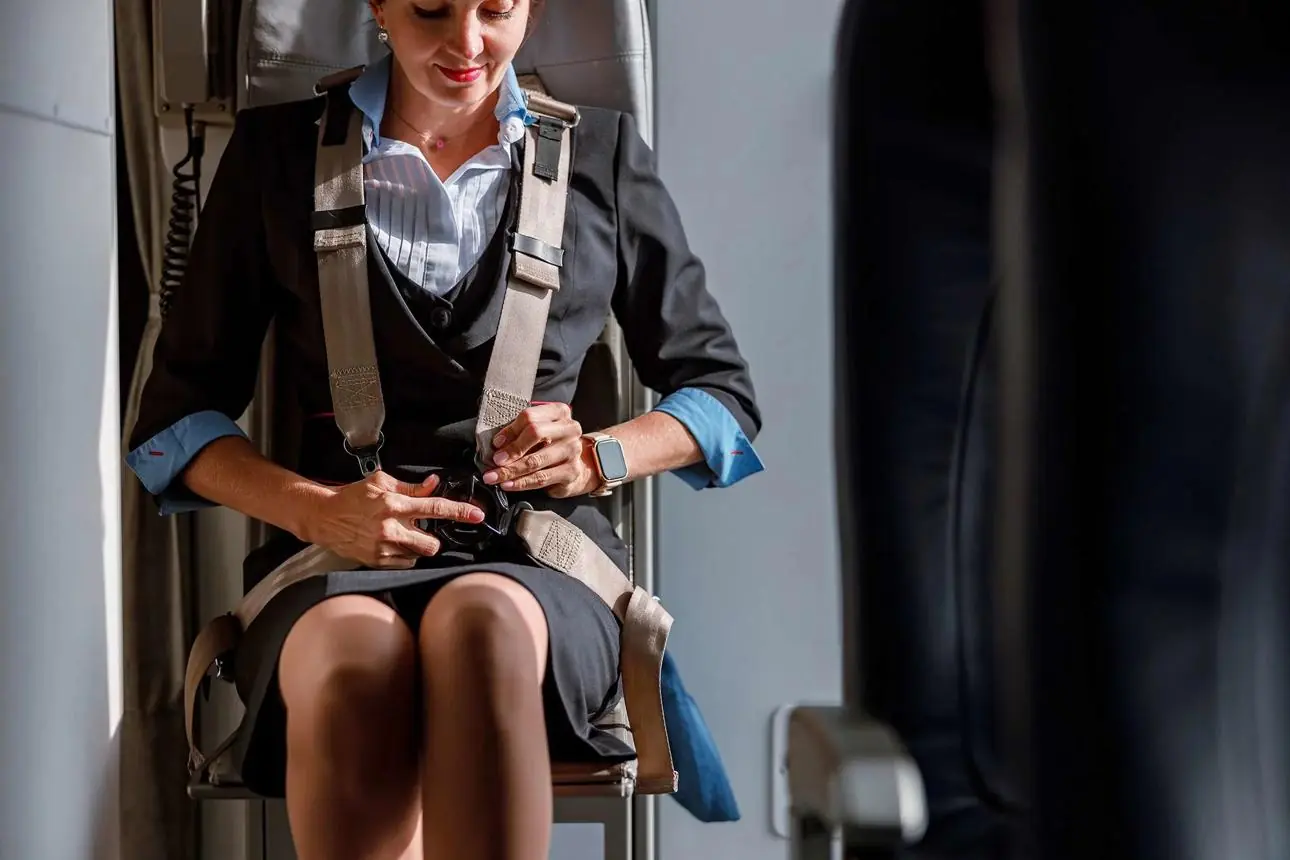
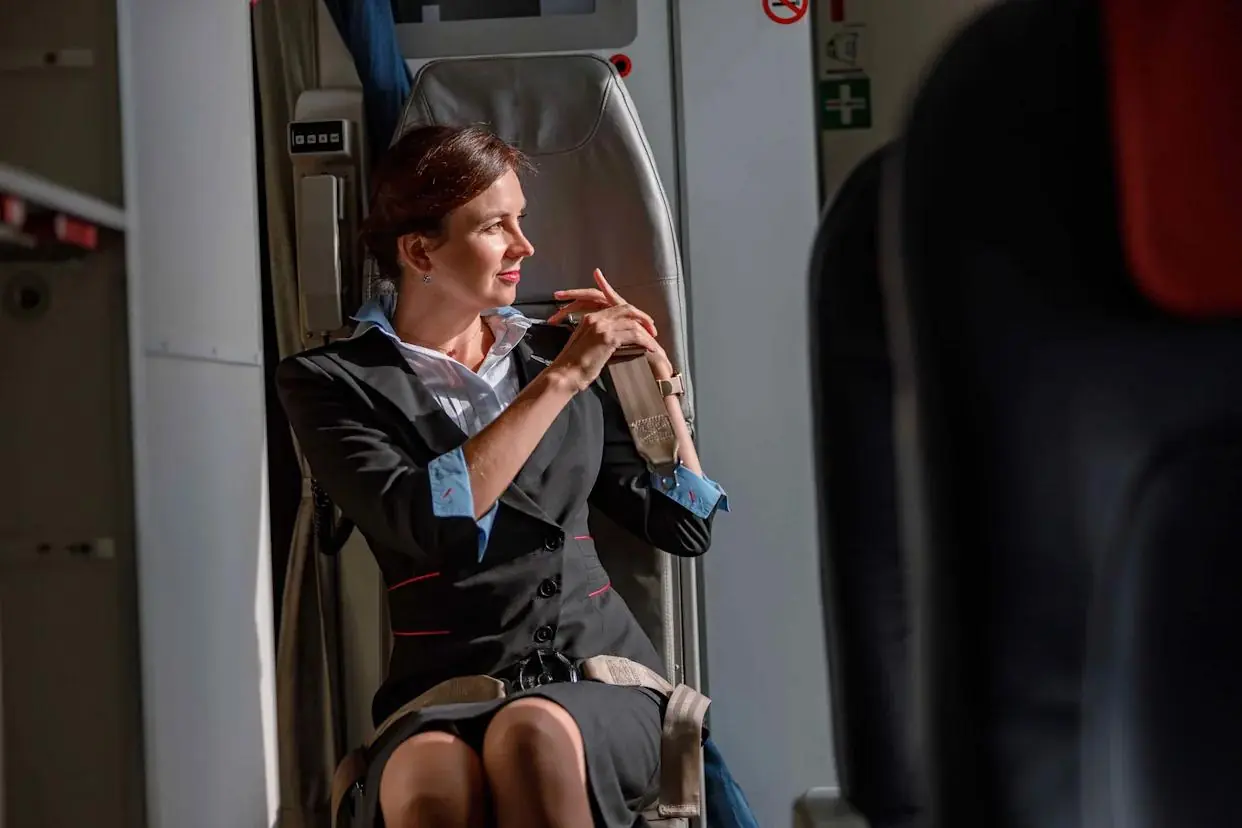
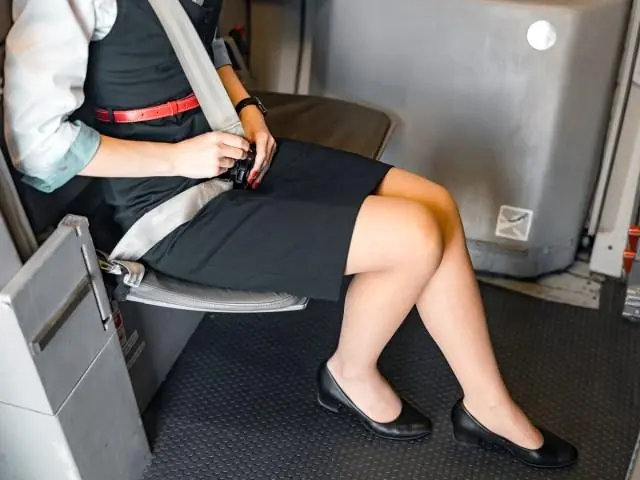
If you’ve ever paid close attention during a flight, you might have noticed something curious: flight attendants sitting upright during takeoff or landing, with their hands tucked neatly under their thighs. It may look unusual—or even uncomfortable—but this position is not random at all.
In fact, it’s a carefully trained safety posture designed to protect both the crew and passengers in case of an emergency.
Let’s break it down.
The “Brace Position” for Cabin Crew
7
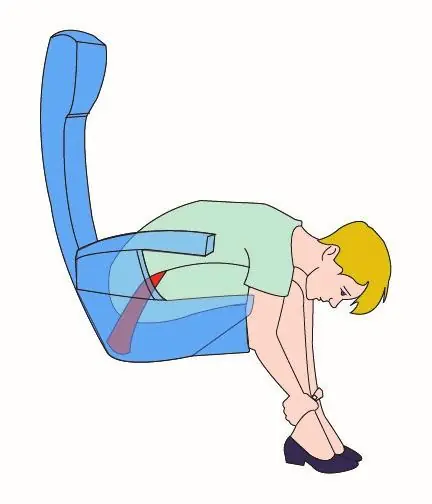
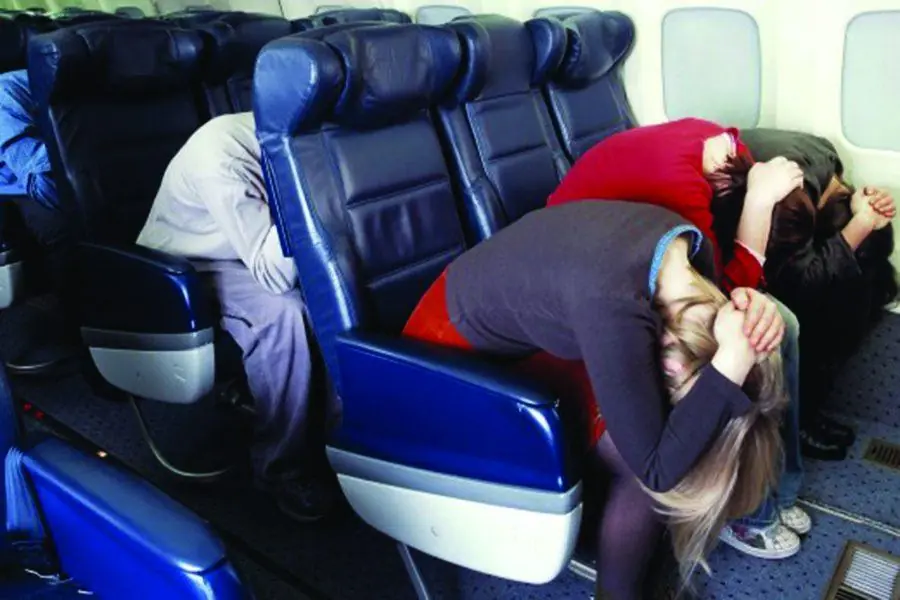
During takeoff and landing—the most critical phases of a flight—cabin crew are required to sit in what is known as the “brace position.”
This position typically includes:
- Sitting upright with the back straight
- Feet flat on the floor
- Seatbelt tightly fastened
- Hands placed under the thighs, palms facing up
This posture is specifically designed to minimize injury if something unexpected happens.
Why Hands Are Placed Under the Legs
6
Placing hands under the legs serves several important purposes:
1. Prevents Uncontrolled Movement
In the event of sudden impact or turbulence, arms can instinctively flail. By securing the hands under the thighs, movement is restricted, reducing the risk of:
- Hitting nearby surfaces
- Injuring arms or hands
2. Protects Vital Limbs
Hands and arms are essential for cabin crew—they need them immediately after landing to assist passengers.
By keeping hands secured and protected, crew members reduce the chance of injury that could impair their ability to help others.
3. Keeps the Body in a Stable Position
This posture helps maintain overall body alignment. It ensures that:
- The spine stays straight
- The body absorbs impact more evenly
- The risk of secondary injuries is reduced
Why This Happens During Takeoff and Landing
7
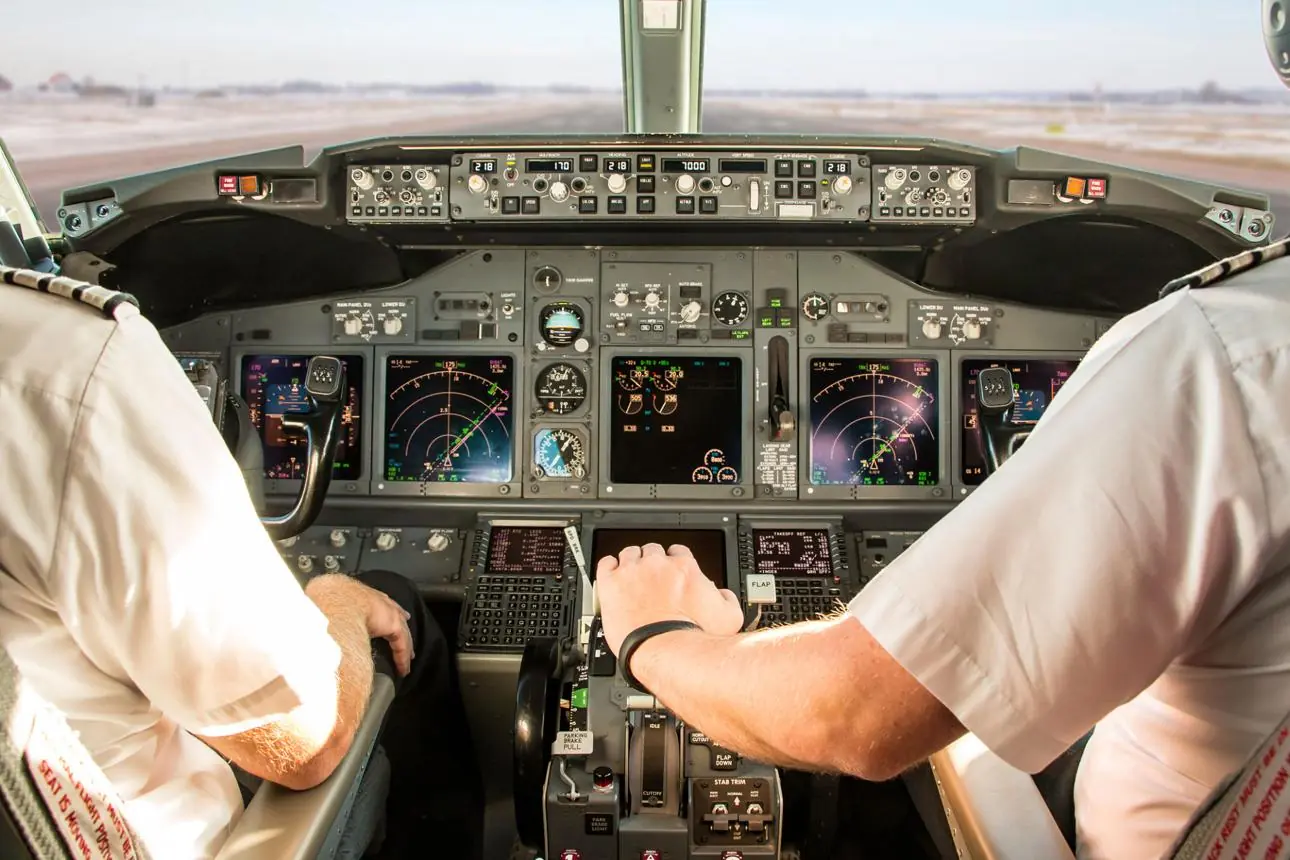
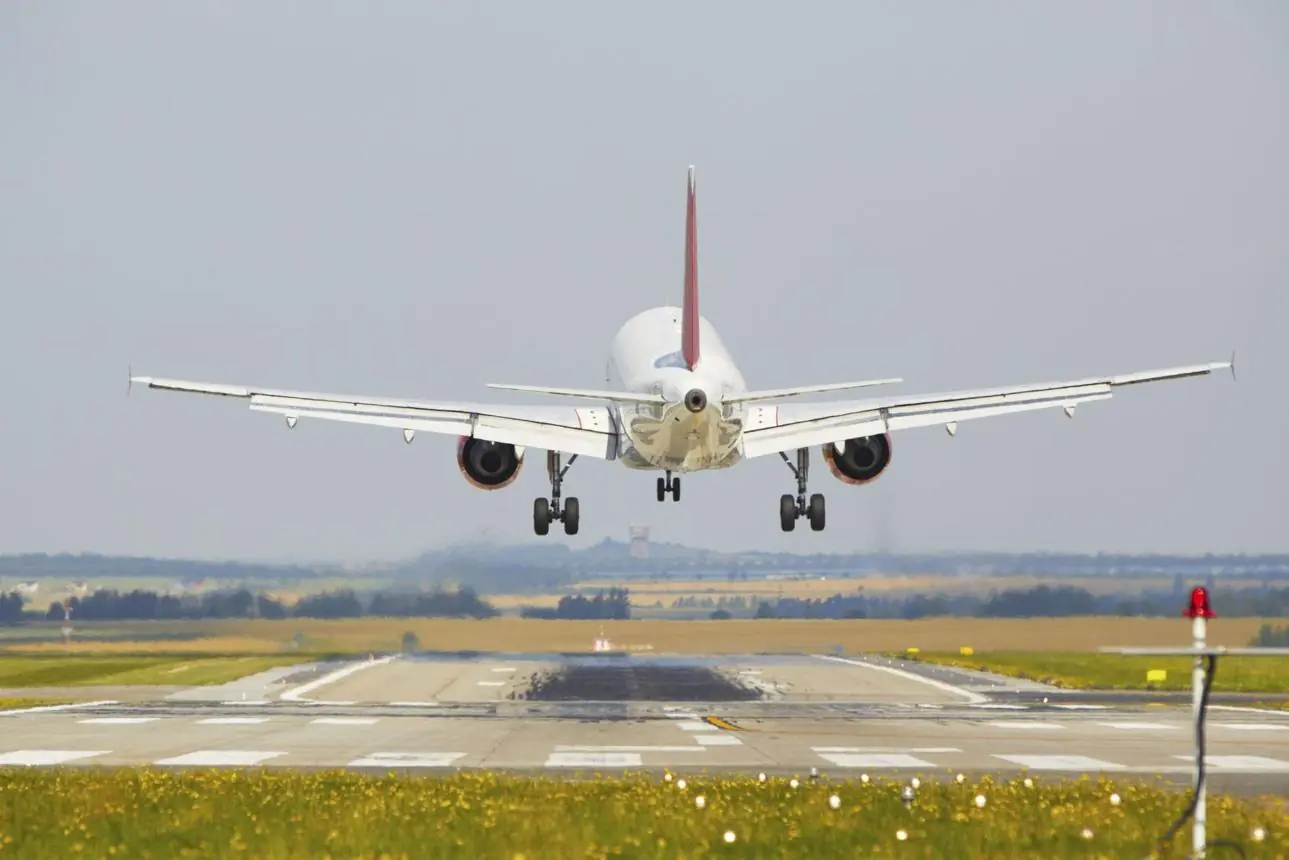
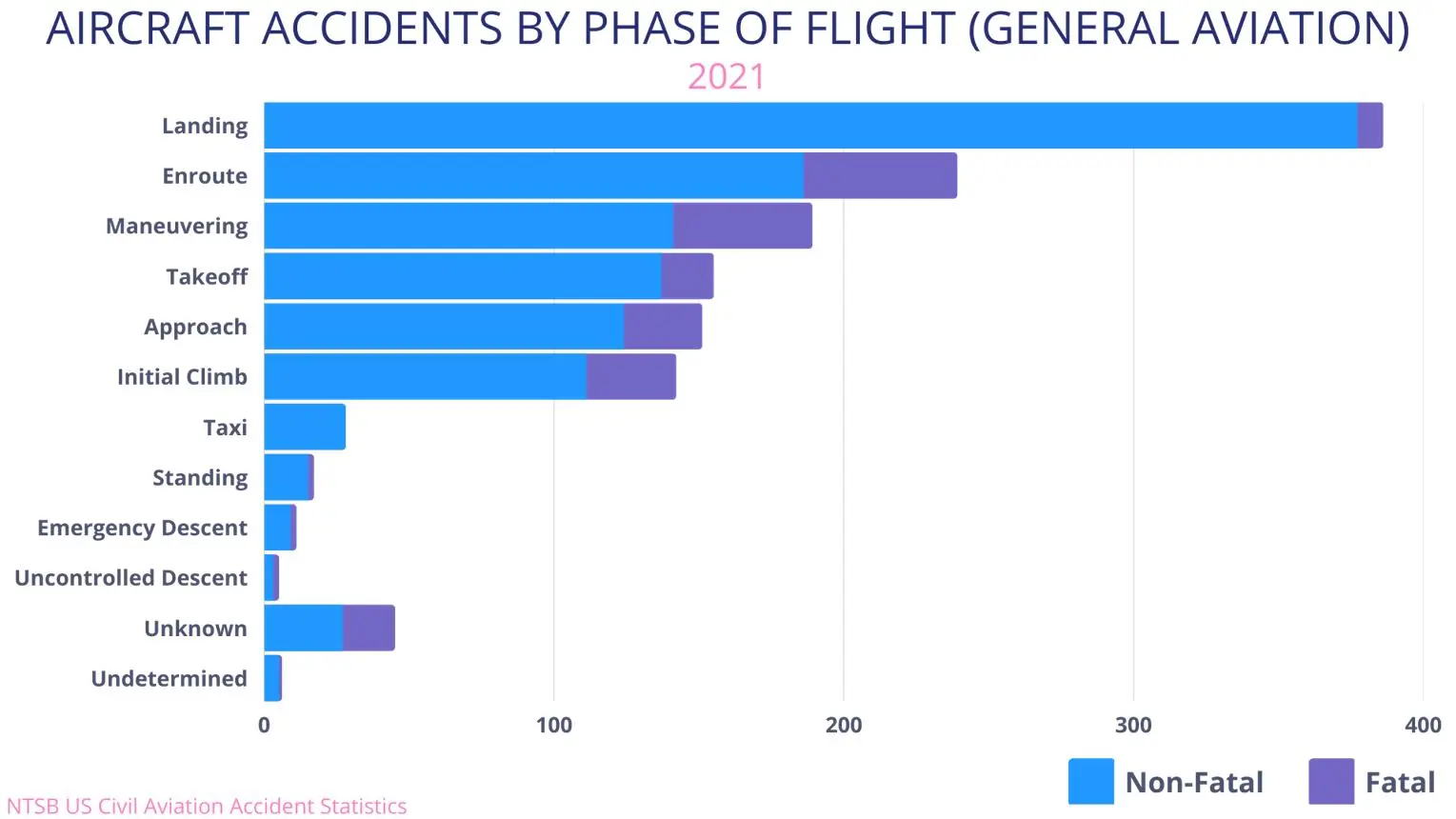
Statistically, most aviation incidents occur during takeoff and landing. These are the moments when:
- The aircraft is closest to the ground
- Speed and pressure changes are highest
- There is less time to react
That’s why cabin crew are fully alert and in safety position—not relaxing, not distracted.
It’s Also About Mental Readiness
7
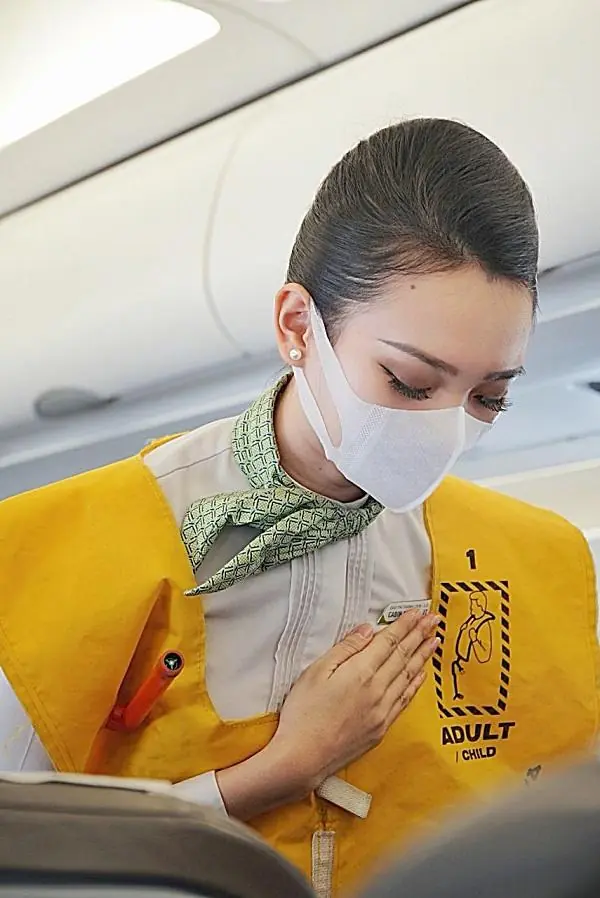
This position isn’t just physical—it’s psychological.
Cabin crew are trained to use this moment to:
- Mentally review emergency procedures
- Stay focused and alert
- Prepare for immediate action if needed
It’s a combination of discipline, training, and readiness.
Should Passengers Do the Same?
Passengers are not required to place their hands under their legs, but they are instructed to follow safety guidelines such as:
- Sitting upright
- Fastening seatbelts properly
- Keeping tray tables closed
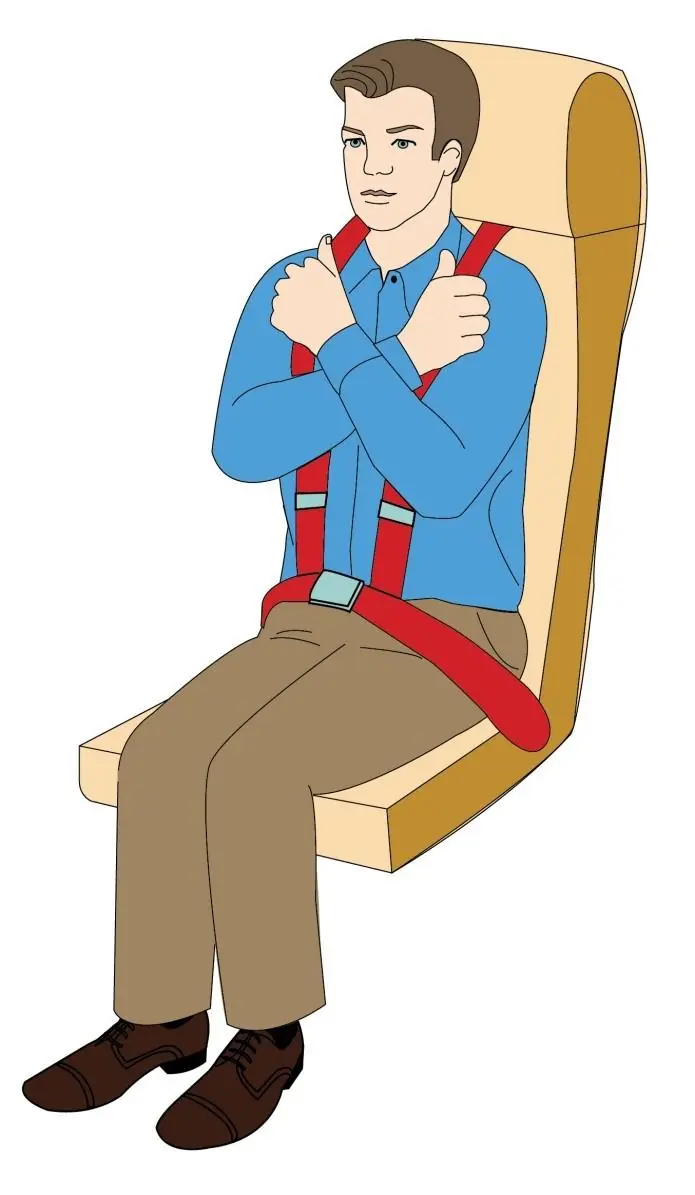
In emergency situations, passengers may be instructed to adopt a different brace position depending on seat type.
Final Thoughts
What might look like a simple or even strange habit is actually a highly intentional safety protocol.
Cabin crew don’t just serve drinks and ensure comfort—they are trained safety professionals, constantly prepared for worst-case scenarios.
Because in aviation, every small detail is designed
to reduce risk, improve coordination, and give everyone on board the best possible chance of staying safe. Even a seemingly unusual movement, such as a flight attendant placing their hands beneath their thighs during takeoff or landing, has a practical purpose rooted in aviation safety.
But this small detail is only one part of a much larger system. The work cabin crew do before an aircraft leaves the ground involves preparation, communication, observation, and repeated safety procedures. Their seated posture is not simply a matter of comfort or habit. It reflects the training they receive to remain ready during some of the most important phases of a flight.
The Importance of the Takeoff and Landing Phases
Although flying is statistically one of the safest ways to travel, takeoff and landing require particular attention from both pilots and cabin crew. These phases involve changes in speed, altitude, aircraft configuration, and the surrounding environment. The aircraft is also closer to the ground, meaning there may be less time to respond if an unexpected situation develops.
During takeoff, the aircraft accelerates along the runway before lifting into the air. The crew must be prepared for situations such as an aborted takeoff, an engine problem, or an unexpected warning. Once airborne, the aircraft continues through its initial climb, during which pilots monitor its performance and follow specific procedures.
Landing brings a different set of challenges. The aircraft descends toward the runway, adjusts its speed and configuration, and prepares to touch down. Weather, visibility, wind, runway conditions, and traffic can all influence the approach. Even when everything is proceeding normally, the crew must remain alert until the aircraft has landed and reached its designated position.
For cabin crew, these phases are important because they may need to respond quickly if the flight does not go as planned. Their role is not to control the aircraft, but to protect passengers, communicate relevant information, and carry out the procedures for which they have been trained.
Why Cabin Crew Must Remain Seated and Alert
Before takeoff and landing, cabin crew complete a series of checks. They confirm that passengers are seated, seat belts are fastened, tray tables are stowed, overhead compartments are secure, and other cabin requirements have been met according to the aircraft and airline's procedures.
Once these checks are complete, crew members take their assigned seats at designated cabin crew stations. These seats are commonly positioned near doors or other areas that may be important during an evacuation.
Unlike an ordinary passenger seat, a cabin crew jumpseat is designed for use during critical phases of flight. It has a restraint system intended to keep the crew member securely in place. Depending on the aircraft, this may include a seat belt and shoulder harness.