Do not begin taking concentrated clove supplements in an attempt to lower blood glucose, especially if you already use medication that can cause hypoglycemia.
Combining unproven supplements with glucose-lowering medication without appropriate supervision could make blood sugar management less predictable.
Cloves can add flavor to nutritious meals, but their role in blood sugar control remains unproven.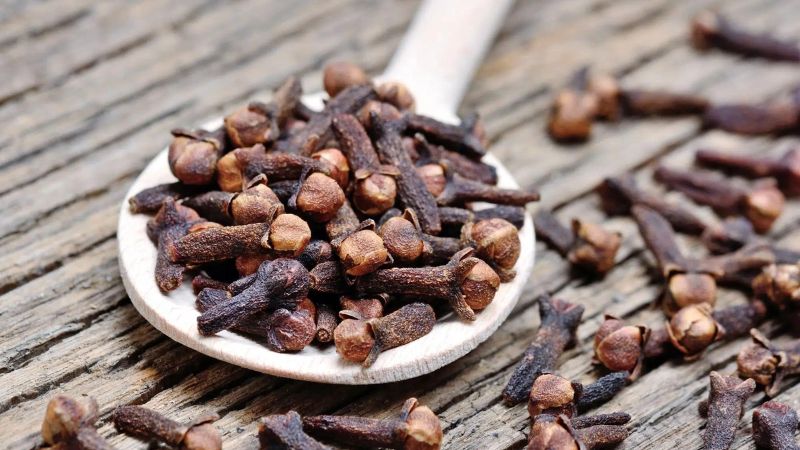
5. Can Cloves Help Women Maintain Healthy Skin?
Healthy skin depends on many factors, including genetics, hormones, sun exposure, sleep, nutrition, hydration, and the skin's protective barrier.
Cloves are sometimes promoted online as a natural solution for acne, wrinkles, pigmentation, and other skin concerns. These claims should be approached carefully.
Certain compounds in cloves demonstrate antioxidant and antimicrobial activity in laboratory research. Scientists have investigated whether these properties might have applications in skin-related products.
However, there is insufficient clinical evidence to conclude that eating cloves improves acne, reduces wrinkles, fades dark spots, or reverses skin aging.
Why are antioxidant ingredients discussed in skin care?
Skin cells are exposed to environmental factors, including ultraviolet radiation and pollution, that can contribute to oxidative stress.
Antioxidant ingredients are therefore investigated in dermatology and cosmetic science. Yet an ingredient's activity in a laboratory does not guarantee that it will penetrate the skin, remain stable in a product, or produce a meaningful improvement when applied or consumed.
The concentration, formulation, and method of delivery all matter.
Clove essential oil deserves particular caution. Eugenol can cause irritation or allergic contact dermatitis, especially when the oil is concentrated or applied directly to the skin.
Using clove oil as a homemade acne treatment may cause redness, burning, or worsening irritation.
What actually helps protect the skin?
For most women, a consistent skin care routine is more reliable than experimenting with strong kitchen ingredients.
-
Use a gentle cleanser suitable for your skin type.
-
Apply a moisturizer to support the skin barrier.
-
Use broad-spectrum sunscreen with SPF 30 or higher during daytime outdoor exposure.
-
Introduce active skin care ingredients gradually.
-
Avoid applying undiluted essential oils directly to the face.
-
Seek professional advice for persistent acne, unexplained rashes, or significant changes in skin pigmentation.
A nutritious diet can support normal skin function, but no single spice can replace sun protection, appropriate skin care, or treatment for a medical skin condition.
Cloves can remain part of a healthy diet without being used as an unproven beauty remedy.
6. Cloves and Women's Hormonal Health: Separating Claims From Evidence
Hormonal health is an important topic for women because hormone levels change throughout the menstrual cycle and across different stages of life.
Puberty, pregnancy, the postpartum period, perimenopause, and menopause can all involve substantial hormonal changes.
Online wellness content sometimes claims that cloves can balance estrogen, regulate menstrual cycles, improve fertility, or reduce menopausal symptoms.
These statements often go beyond what current human research can support.
Do cloves balance female hormones?
There is not enough reliable clinical evidence to conclude that eating cloves regulates estrogen or progesterone levels in women.
Some laboratory or animal research may investigate plant compounds and biological pathways related to reproduction or hormone activity. Such research can generate hypotheses, but it does not prove that cloves have a useful hormonal effect in humans.
The same caution applies to claims that cloves can make periods regular, increase fertility, improve egg quality, or treat polycystic ovary syndrome.
These conditions have different underlying causes and may require specific medical evaluation.
What should women know about menstrual changes?
Occasional variation in menstrual timing can happen for many reasons, including stress, changes in body weight, intense exercise, illness, pregnancy, and hormonal fluctuations.
However, persistent irregular periods, unusually heavy bleeding, severe menstrual pain, or missed periods without an obvious explanation deserve medical attention.
For women approaching menopause, symptoms such as hot flashes, sleep disruption, mood changes, and vaginal dryness may benefit from evidence-based treatments tailored to their needs.
A balanced diet and healthy lifestyle can support overall well-being, but cloves have not been established as a treatment for these symptoms.
If you suspect a hormonal disorder, a healthcare professional can help determine whether testing or treatment is appropriate.
The most important distinction is that a food may contain biologically active compounds without being a proven hormonal therapy.
7. Cloves Provide Small Amounts of Nutrients and Add Flavor Without Extra Sugar
Another practical reason to include cloves in a balanced diet is their concentrated flavor.
Because cloves are intensely aromatic, a small amount can transform a meal or beverage. This can be useful for people who want to add flavor without relying heavily on added sugar or salt.
Cloves also contain small amounts of minerals and other nutrients, although typical serving sizes are usually too small to make them a major source of most essential nutrients.