The popularity of natural remedies has led to many claims about cloves. Some are based on traditional use or early scientific findings, while others are exaggerated or unsupported.
Understanding the difference can help you make better decisions about your health.
Myth 1: Cloves can balance every female hormone.
There is insufficient clinical evidence to show that cloves regulate estrogen, progesterone, or other reproductive hormones in women. Hormonal symptoms should be assessed according to their cause.
Myth 2: Drinking clove water melts belly fat.
There is no strong evidence that clove water directly burns body fat or produces meaningful weight loss. Sustainable weight management depends on overall eating patterns, activity, sleep, and other individual factors.
Myth 3: Cloves can cure diabetes.
Cloves are not a proven treatment for diabetes. Laboratory research does not establish that they can replace medication, dietary management, or medical monitoring.
Myth 4: Clove oil is a safe natural treatment for acne.
Concentrated clove oil can irritate the skin and may cause allergic reactions. Evidence is insufficient to recommend it as a routine acne treatment.
Myth 5: Eating more cloves means receiving more benefits.
High intake does not guarantee greater health benefits and may increase the risk of adverse effects. Culinary use and concentrated medicinal products should not be treated as equivalent.
Myth 6: Natural products are always harmless.
Plant-derived substances can have powerful biological effects. Their safety depends on the dose, preparation, route of exposure, other medications, and the person's health.
A sensible approach is to enjoy cloves as food while treating strong medical claims with appropriate skepticism.
11. Building a Wellness Routine That Goes Beyond One Spice
Cloves can add flavor and variety to a healthy diet, but long-term wellness depends on a broader set of habits.
For women, these habits may need to adapt over time according to age, activity level, medical history, reproductive stage, and personal health goals.
Prioritize nutritious meals
Aim for a varied eating pattern that includes vegetables, fruits, whole grains, legumes, adequate protein, and unsaturated fats.
No single food provides everything the body needs. Variety helps supply the vitamins, minerals, fiber, and other nutrients that support normal physiological function.
Stay physically active
Regular activity supports cardiovascular health, bone strength, mobility, and metabolic function.
Walking, resistance training, cycling, swimming, or other activities can be adapted to individual abilities and medical needs.
Protect sleep and manage stress
Insufficient sleep and persistent stress can affect energy, mood, appetite, and daily functioning.
Maintaining a regular sleep schedule and finding realistic ways to manage stress can support overall well-being.
Keep up with preventive care
Routine medical appointments can help identify high blood pressure, elevated cholesterol, diabetes, and other conditions before they cause obvious symptoms.
Depending on age and personal risk factors, preventive care may also include cervical cancer screening, breast cancer screening, bone health assessment, and other recommended services.
Treat symptoms rather than masking them
Persistent fatigue, unusual bleeding, unexplained weight changes, ongoing digestive problems, or new pain should not automatically be attributed to aging or hormonal changes.
A healthy lifestyle can complement medical treatment, but it should not delay appropriate assessment.
Cloves can be part of this routine, but they are not the foundation of it.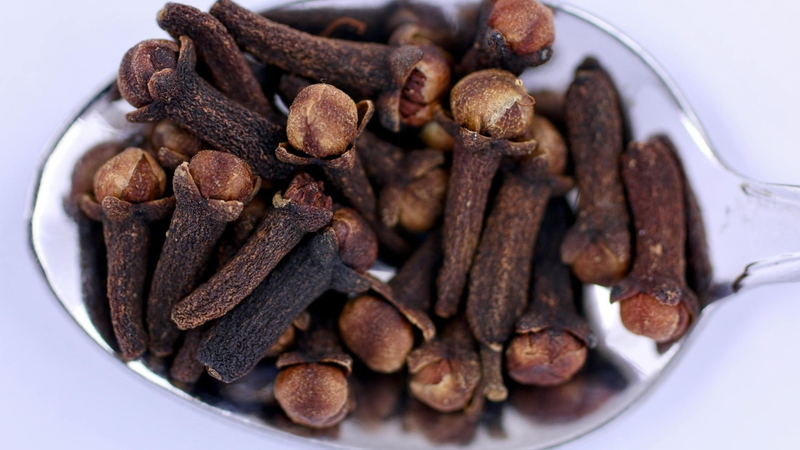
12. The Bottom Line: A Useful Spice, Not a Miracle Cure
Cloves deserve recognition for their distinctive flavor, traditional culinary uses, and concentration of plant compounds such as eugenol.
Research into these compounds has explored antioxidant and antimicrobial activity, possible effects on glucose metabolism, and potential applications in other areas of health. Some findings are promising, but much of the evidence remains preliminary or comes from laboratory and animal studies.
For women, cloves may be a pleasant addition to meals and can help make a varied diet more enjoyable. They may also offer practical benefits as a flavorful alternative to relying heavily on added sugar or salt in certain recipes.
However, there is not enough reliable clinical evidence to claim that cloves balance female hormones, improve fertility, cure diabetes, eliminate acne, or prevent major diseases.
The safest approach is to use cloves in modest culinary amounts, avoid swallowing concentrated essential oil, and seek professional advice before taking medicinal supplements, particularly if you are pregnant, breastfeeding, have a bleeding disorder, or take medications that affect blood clotting or blood glucose.
Above all, remember that women's wellness is shaped by many factors: nutrition, movement, sleep, preventive health care, genetics, and access to appropriate treatment.
A small spice can add value to your daily routine, but it should support healthy habits rather than replace them.
Enjoy cloves for their flavor, appreciate the scientific questions surrounding their plant compounds, and remain cautious of claims that promise dramatic results from a single ingredient.