When two people living in the same household develop the same serious illness, it is natural to wonder whether something in their shared environment could be responsible.
Was it something they ate?
Something they drank?
A chemical exposure?
Or simply an unfortunate coincidence?
Stories about couples who both develop liver cancer can be especially alarming because they often seem to suggest that a hidden danger is sitting inside an ordinary kitchen.
But the reality is more complicated.
Liver cancer is not contagious, and two people developing liver cancer does not automatically mean that a particular food caused it. Several different diseases and risk factors can contribute to liver cancer, and some cases occur without an obvious cause.
Still, the idea of finding a clue inside a refrigerator raises an important question: Can something stored in our food supply potentially contribute to liver damage and cancer risk?
In certain circumstances, the answer involves a naturally occurring toxin called aflatoxin.
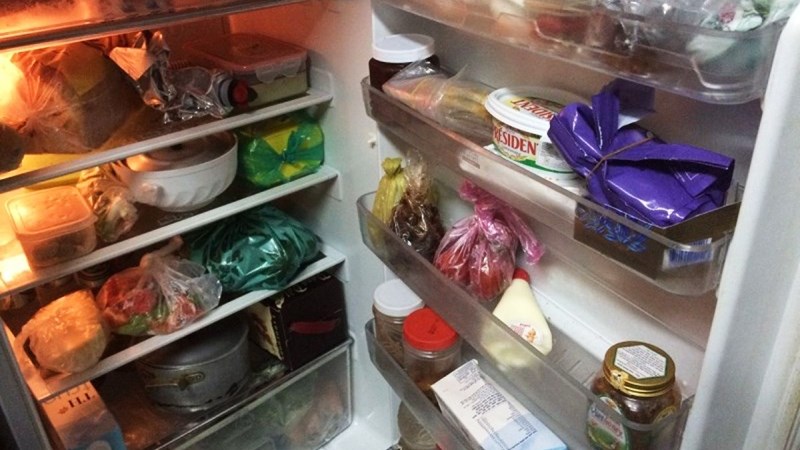
The Unexpected Clue in the Refrigerator
Imagine a couple who have shared the same home and eaten many of the same foods for years.
Eventually, both develop serious liver problems.
Doctors begin looking beyond the obvious explanations.
They review their medical histories.
They consider alcohol consumption, viral hepatitis, metabolic conditions, medications, family history, and other established risk factors.
Then another possibility emerges:
Could something in their shared diet or environment have exposed both people to the same harmful substance?
One substance that can raise concern is aflatoxin, a toxin produced by certain molds.
Aflatoxins can contaminate particular crops and food products when they are grown, harvested, transported, or stored under warm and humid conditions.
This is where an ordinary pantry or refrigerator can become relevant—not because refrigerators create aflatoxin, but because contaminated food may already contain the toxin before it reaches the kitchen.
What Is Aflatoxin?
Aflatoxins are naturally occurring toxins produced primarily by certain species of Aspergillus molds.
These molds can grow on agricultural commodities under favorable conditions, particularly when crops are exposed to warmth and moisture.
Foods that can be affected include certain:
-
Peanuts
-
Corn
-
Tree nuts
-
Seeds
-
Grains
-
Dried foods
-
Spices
-
Other agricultural products
The risk varies considerably by region, food, storage conditions, and regulatory controls.
Aflatoxin contamination is a recognized food-safety issue, particularly in some parts of the world where climate and food-storage conditions can favor mold growth.
Why Is the Liver So Important?
The liver is the body's primary organ for processing many substances that enter the bloodstream.
After we eat and digest food, nutrients and other compounds eventually pass through the liver.
The liver uses a complex network of enzymes to metabolize chemicals.
Unfortunately, this process can sometimes transform certain substances into compounds that are more biologically reactive.
Aflatoxin B1 is particularly important because the body metabolizes it into a reactive compound capable of damaging DNA.
Over time, repeated exposure can contribute to cellular changes associated with liver cancer.
This is one reason aflatoxin exposure has been extensively studied in relation to hepatocellular carcinoma, the most common primary form of liver cancer.
Does Aflatoxin Mean Moldy Food Automatically Causes Cancer?
No.
This is an important distinction.
Not every piece of food with visible mold contains dangerous levels of aflatoxin.
And not every person exposed to aflatoxin will develop liver cancer.
Cancer generally results from a complex combination of genetic, environmental, and biological factors.
The level and duration of exposure matter.
Individual susceptibility matters.
Other health conditions matter.
The presence of chronic hepatitis infection can also dramatically change the risk.
Therefore, the correct message is not:
“Eat moldy food and you will get liver cancer.”
The scientifically supported message is much more specific:
Significant exposure to aflatoxins is an established risk factor for liver cancer.
Hepatitis B Changes the Picture
One of the most important risk factors for liver cancer worldwide is chronic infection with hepatitis B virus (HBV).
Hepatitis C is another major risk factor.
When chronic viral hepatitis and aflatoxin exposure occur together, the risk can be substantially greater than with either exposure alone.
This is one reason liver cancer prevention cannot focus on food alone.
Preventing hepatitis B through vaccination, identifying chronic hepatitis infection, treating hepatitis C when appropriate, and managing chronic liver disease are all important.
What Foods Are Most Relevant?
Aflatoxin contamination is most commonly associated with certain crops, particularly when they have been stored improperly.
Peanuts and corn are well-known examples.
However, contamination can occur in other commodities as well.
The key factor is not simply whether a food belongs to a particular category.
Storage conditions matter.
Warm, humid environments can encourage mold growth.
Damaged crops can also be more vulnerable.
Improper drying after harvest can increase the risk.
Long-term storage under poor conditions can create opportunities for fungal contamination.
That means food safety involves much more than simply looking at the label.
Why You Shouldn't Eat Obviously Moldy Food
Some people cut away the visibly moldy section of food and eat the rest.
Whether this is safe depends heavily on the type of food.
For soft, moist foods, mold can penetrate below the visible surface, meaning cutting away a small section may not eliminate the contamination.
For some firm foods, food-safety guidance may provide different recommendations.
But when it comes to foods that may be contaminated with mycotoxins, simply removing visible mold should not be treated as a guaranteed way to remove toxins.
Many mycotoxins are not destroyed simply by ordinary cooking.
That's why prevention—proper storage, purchasing from reliable sources, and discarding foods that are clearly spoiled—is important.
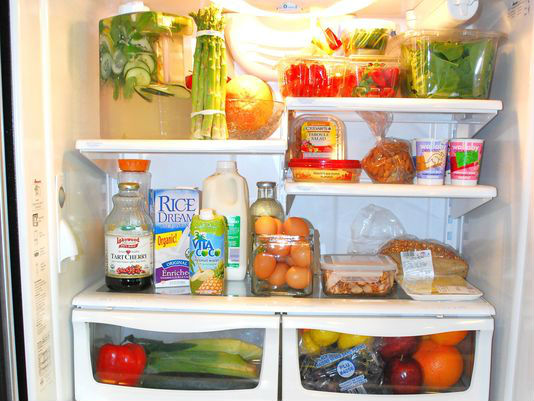
The Refrigerator Isn't Necessarily the Villain
A headline about doctors finding a clue “inside the fridge” can easily make people think that refrigerators themselves are dangerous.
They aren't.
In fact, refrigeration generally helps slow the growth of many microorganisms and is an important part of food safety.
The potential problem is what is stored inside the refrigerator and how food is handled.
Some foods may have already been contaminated before they entered the refrigerator.
Others may spoil because they are stored improperly, kept too long, or repeatedly exposed to temperature changes.
A refrigerator should therefore be viewed as a tool for food preservation—not a guarantee that every food inside is safe indefinitely.
Liver Cancer Has Many Causes
Aflatoxin is only one piece of a much larger picture.
The most important risk factors for liver cancer can include:
Chronic hepatitis B infection
Long-term HBV infection can cause ongoing liver inflammation and increase cancer risk.
Chronic hepatitis C infection
HCV can cause progressive liver damage and cirrhosis, increasing the risk of liver cancer.
Cirrhosis
Cirrhosis is significant scarring of the liver and is a major risk factor for hepatocellular carcinoma.
Heavy alcohol use
Long-term excessive alcohol consumption can cause chronic liver injury, alcoholic liver disease, and cirrhosis.
Metabolic dysfunction
Conditions associated with metabolic dysfunction—including obesity, type 2 diabetes, and metabolic dysfunction-associated steatotic liver disease—can increase liver cancer risk.
Certain inherited or environmental conditions
Some less common diseases and exposures can also contribute.
This is why two people developing liver cancer does not automatically point to one contaminated food.
What About Alcohol?
Alcohol is another important consideration when discussing liver health.
The liver breaks down alcohol, but chronic heavy alcohol consumption can cause repeated liver injury.
Over time, this can contribute to fatty liver disease, inflammation, fibrosis, and eventually cirrhosis.
Cirrhosis substantially increases the risk of hepatocellular carcinoma.
This doesn't mean that everyone who drinks alcohol will develop liver cancer.
Risk depends on factors such as the amount and duration of alcohol consumption, underlying liver disease, genetics, and other exposures.
But reducing excessive alcohol intake is an established way to protect liver health.
Fatty Liver Disease Is Becoming Increasingly Important
Liver cancer is not exclusively a problem associated with alcohol or viral hepatitis.
Metabolic health also matters.
Excess body weight, insulin resistance, type 2 diabetes, and metabolic dysfunction-associated steatotic liver disease can contribute to chronic liver injury.
Some people develop advanced liver disease without realizing it because fatty liver can remain relatively silent for years.
This is another reason regular medical care matters.
A person can feel healthy while liver damage is developing.
The Warning Signs Can Be Easy to Miss
Early liver cancer may cause few obvious symptoms.
When symptoms occur, they can include:
-
Unexplained weight loss
-
Reduced appetite
-
Persistent fatigue
-
Pain or discomfort in the upper right abdomen
-
A feeling of fullness
-
Nausea
-
Yellowing of the skin or eyes
-
Abdominal swelling
-
Unexplained worsening of liver function
These symptoms are not specific to liver cancer.
Many other conditions can cause them.
But persistent or unexplained symptoms should be evaluated by a healthcare professional rather than ignored.
Yellow Skin and Eyes Need Attention
One of the better-known signs of significant liver or biliary disease is jaundice, which causes the skin or whites of the eyes to become yellow.
Jaundice can occur when bilirubin accumulates in the body.
There are many possible causes, including hepatitis, bile duct obstruction, gallstones, certain blood disorders, medication-related liver injury, and liver cancer.
It should therefore never be interpreted as proof of cancer.
But unexplained jaundice deserves prompt medical evaluation.
Can You Detect Aflatoxin at Home?
Unfortunately, you cannot reliably determine whether a food contains dangerous levels of aflatoxin simply by looking at it.
Visible mold may be a warning sign that food has spoiled, but the absence of visible mold does not guarantee the absence of aflatoxin.
Laboratory testing is generally required to measure contamination accurately.
This is one reason food-safety regulations and monitoring programs are important.
Consumers should purchase foods from reputable sources and follow appropriate storage recommendations rather than trying to identify toxins by appearance.
How Can Families Reduce Their Risk?
There are several practical steps that can help reduce exposure to mold-related food hazards and support overall liver health.
Store food properly
Keep susceptible foods such as nuts and grains in cool, dry conditions.
Avoid obviously moldy foods
Don't assume that removing a visible patch of mold makes every food safe.
Don't buy foods that appear damaged or poorly stored
Particularly avoid products showing obvious mold, moisture damage, or deterioration.
Follow expiration and storage guidance
While dates have different meanings depending on the product, food should still be stored according to the manufacturer's recommendations.
Maintain good kitchen hygiene
Keep refrigerators and food-storage areas clean.
Prevent cross-contamination.
Control hepatitis risks
Hepatitis B vaccination is an important preventive measure.
Testing and appropriate treatment for chronic viral hepatitis can also reduce long-term liver complications.
Limit excessive alcohol consumption
Avoiding heavy alcohol use can reduce chronic liver injury.
Manage metabolic health
Maintaining a healthy weight, staying physically active, and managing diabetes and other metabolic conditions can support liver health.
Don't Throw Out Every Food in Your Refrigerator
A story about possible food-related liver cancer should not create unnecessary fear.
Most people do not need to inspect their refrigerator and assume that ordinary food is secretly causing cancer.
Food-safety systems are designed to reduce exposure to dangerous levels of contaminants.
The sensible approach is not paranoia.
It is good food hygiene and informed choices.
Keep food dry when appropriate.
Refrigerate perishable foods.
Discard obviously spoiled products.
Buy food from reliable sources.
And if a particular food recall or contamination warning has been issued in your area, follow the official instructions.
Why Two People in the Same Home Can Develop the Same Disease
There is another important lesson hidden inside stories about couples.
Shared diseases do not necessarily mean a shared toxin.
Couples often share:
-
Dietary habits
-
Alcohol consumption patterns
-
Physical activity levels
-
Smoking exposure
-
Living environments
-
Healthcare access
-
Socioeconomic factors
They also share time—but not genetics.
If both people develop the same disease, doctors may consider environmental and lifestyle factors, but they must also evaluate each person's individual medical history.
Two people can independently develop the same cancer without there being a single cause.
Correlation is not proof of causation.
The Most Important Question Is Not “What Food Caused It?”
When someone develops liver cancer, the useful medical questions are much broader.
Does the person have chronic hepatitis B or C?
Is there evidence of cirrhosis?
What are their metabolic risk factors?
How much alcohol do they consume?
Are there relevant medications or toxic exposures?
What does their medical history show?
Is there a family history of liver disease?
Could environmental or occupational exposures be relevant?
Only after considering these factors can doctors begin to understand the likely causes.
A single food item should not automatically be blamed.
Final Thoughts
The idea of doctors discovering a clue inside a couple's refrigerator makes for a dramatic story, but the science behind food-related liver risk is more nuanced.
Aflatoxin is a genuine and important carcinogenic hazard, particularly when people experience substantial or repeated exposure through contaminated food.
Certain crops including peanuts and corn—can become contaminated under favorable conditions for mold growth, especially when harvesting, drying, or storage conditions are poor.
But that does not mean every moldy-looking food contains dangerous aflatoxin, nor does it mean that one particular vegetable, nut, or grain automatically causes liver cancer.
Liver cancer has many possible causes, including chronic hepatitis B or C, cirrhosis, heavy alcohol use, metabolic liver disease, and certain environmental exposures.
The best protection is therefore not fear of individual foods.
It is good food safety, appropriate storage, hepatitis prevention and treatment, responsible alcohol use, healthy metabolic habits, and regular medical care when risk factors are present.
If you notice persistent unexplained weight loss, jaundice, abdominal swelling, ongoing upper-right abdominal discomfort, or other concerning symptoms, seek medical evaluation.
And remember: your refrigerator can help protect your food, but it cannot tell you whether a food contains an invisible toxin. When food safety is in doubt, prevention and reliable information are far better than guessing.