Injuries and inflammation can cause swelling in your lower extremities. But you may also experience fluid retention due to an underlying health condition that requires medical attention.
The feet, ankles, and legs are common sites of swelling because of gravity’s effect on the fluids in the human body. However, injuries and subsequent inflammation may also cause fluid retention and swelling.
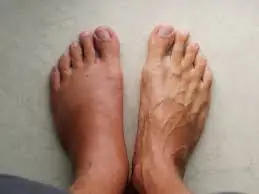
Swelling in the lower leg is typically the result of edema or inflammation.
Edema is a common condition in which excess fluid is trapped in your body’s tissues. It may cause swelling and puffiness of the tissue directly under the skin of your feet, ankles, legs, hands, and arms.
Inflammation is your immune system’s response to injury, infection, or disease. It can be acute (short term) or chronic (long term).
Some everyday activities may increase your risk of edema and inflammation, such as standing or sitting too long and eating high salt foods. That said, some health conditions may also increase your risk of developing edema or inflammation.
Keep reading to learn the possible causes of a swollen foot, ankle, or leg, and what you can do to reduce swelling.
When is it an emergency?You should seek medical care right away if your swelling is accompanied by any of these symptoms:
- chest pain, pressure, or tightness
- trouble breathing
- dizziness
- mental confusion
- fever
- leg ulcerations or blisters
- an abnormality or crookedness to the ankle that wasn’t there before
- inability to put weight on your leg
Also, seek medical care if at-home treatments don’t help reduce swelling or if your discomfort increases.
Get our Menopause newsletter
Swollen ankles and legs are common when you’re pregnant because of several factors, such as:
- natural fluid retention
- pressure on veins due to the extra weight of your uterus
- changing hormones
You may be more prone to swollen feet in the evening, especially after being on your feet all day.
Swollen feet and ankles may become particularly noticeable in second and third trimesters. The swelling tends to go away after you deliver your baby.
Swelling prevention in pregnancy
The following tips may help you reduce swelling in your lower extremities during pregnancy.
- Avoid standing for long periods.
- Sit with your feet raised.
- Keep as cool as possible.
- Spend time in the pool.
- Wear comfortable shoes and avoid high heels.
- Wear compression socks, tights, or stockings.
- Keep a regular exercise routine as approved by your doctor.
- Sleep on your left side.
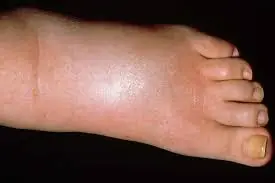
It’s essential to keep drinking plenty of water when you’re pregnant, even if you have swelling. The American College of Obstetricians and Gynecologists recommends drinking 8–12 cups daily.
Preeclampsia
Sudden or excessive swelling in your ankles, hands, and face may be a sign of preeclampsia. This is a serious health condition in which you develop high blood pressure and protein in the urine. It usually happens after the 20th week of pregnancy.
Preeclampsia warning signsIf you’re pregnant, seek immediate medical attention if you have symptoms associated with preeclampsia or dangerously high blood pressure. These include:
- severe headaches
- nausea
- vomiting
- abdominal pain
- vision changes, such as blurry vision
- dizziness
- very little urine output
Swelling in the foot, ankle, or leg could be the result of inflammation due to acute or even chronic injury. Swelling occurs as a result of blood rushing to the affected area.
Some common injuries that may cause this type of inflammation include:
- ankle sprain
- broken leg
- Achilles tendon rupture
- broken bones
- knee sprain
- ACL tear
The R.I.C.E. approach is often recommended to treat leg and foot injuries. This method involves:
- Rest: Rest the affected limb and avoid putting pressure on it.
- Ice: Ice your foot every for up to 20 minutes at a time throughout the day.
- Compression: Use a compression bandage to stop swelling.
- Elevation: Keep your feet lifted as you rest so that they’re above your heart, especially at night.
That said, too much rest can lead to problems with circulation. It’s best to speak with a doctor about the best treatment for you, especially if you experience severe pain, numbness, or you can’t put weight on your foot.
Depending on the severity of your injury, they may recommend other treatments, such as:
- over-the-counter (OTC) or prescription pain reliever
- wearing a brace or splint
- surgery
Your swollen foot, ankle, or leg may be due to an underlying chronic condition. It might also be due to medications that you’re taking or as an after-effect of surgery.
Blood clot
Blood clots are solid clumps of blood that hamper blood flow up to your heart. These could form in the veins in your legs. This condition is called deep vein thrombosis (DVT).
Swelling often only occurs in one leg. Other symptoms may include:
- pain
- tenderness
- a warm sensation
- throbbing, typically in the calf or thigh
- redness or a change in color in the affected area
- fever
A blood clot is a medical emergency. Get immediate medical attention if you have these symptoms.
Treatment options for DVT may include taking blood thinners, surgery, and at-home management remedies.
Bursitis
Bursitis is when fluid-filled sacs around your joints (called bursae) become inflamed. This causes swelling and pain in the joint. It’s common in older adults and people who repetitively use specific joints, like athletes or people in certain jobs.
Bursitis can develop at any joint where there’s a bursa. In the leg, it’s most common at the knee and ankle.
Other symptoms of bursitis may include difficulty walking and skin discoloration.
Treatment will depend on the severity of your condition and may include:
- pain relief medications
- rest and ice
- corticosteroid injections
- antibiotics
Cellulitis
Cellulitis is a bacterial infection that occurs beneath the skin. It causes pain, discoloration, and swelling. Cellulitis may be life threatening if left untreated.
Symptoms of cellulitis may include:
- a quickly growing rash
- tight, glossy, swollen skin
- a feeling of warmth in the affected area
- pus-filled abscess
- fever
The affected area is typically red or dark and expanding. The edge of the discoloration could usually be felt under the skin, as though there’s a piece of cardboard under it.
If you experience signs of cellulitis, get medical treatment immediately.
Cellulitis is treated with antibiotics. It should go away after 7–10 days of treatment.
Chronic venous insufficiency
Chronic venous insufficiency is caused by damaged valves in the veins. This affects blood moving up to your heart from your legs and feet. Blood can collect in the veins of your legs and feet, causing swelling.
You may experience the following symptoms:
- aching or tiredness in the legs
- new varicose veins
- flaky, itchy skin on the legs or feet
- venous stasis ulcers
See a doctor if you have signs of venous insufficiency. It’s easier to treat the earlier it’s diagnosed.
Treatments include:
- avoiding extended periods of standing or sitting
- taking breaks for leg, feet, and ankle exercises during long periods of sitting
- taking breaks to elevate your feet during long periods of standing
- elevating legs above heart level while resting
- walking and exercising regularly
- maintaining a moderate weight
- wearing compression stockings
- using antibiotics to treat skin infections
- following a daily skin care routine
Diabetes
Diabetes affects your ability to control sugar levels in your blood. High blood sugar levels can damage blood vessels which leads to poor blood circulation. This can cause blood to settle in your lower leg, causing swelling.
Prolonged circulation problems may eventually lead to nerve damagein your foot. This could also make your foot more susceptible to injury, which can lead to swelling.
To help with swelling caused by diabetes, your doctor may recommend:
- compression socks
- foot elevation
- regular exercise
- weight loss
- staying hydrated
- limiting salt intake
- magnesium supplements
- soaking feet in Epsom salts
Nerve damage in your foot may also cause Charcot foot. This is an inflammatory condition that affects bones and tissue in the foot. Charcot foot is a serious condition that could require amputation if not treated.
Gout
A buildup of uric acid in your blood is called gout. As an acute condition, it may cause swelling in affected joints. This often affects the feet, particularly the big toe.
Gout flares usually last for 1–2 weeks. But if left untreated, gout may become chronic, leaving lumps called tophi in your joints and tissue. Tophi can cause permanent damage to your joints.
Associated symptoms of gout include:
- joint pain
- skin that’s warm to the touch
- stiffness
- misshapen joints
Treatment may involve a combination of medications, pain relievers, and home remedies.
Heart failure
In right-sided heart failure, the heart’s right ventricle is too weak to pump enough blood to the lungs. As blood builds up in the veins, fluid gets pushed out into the tissues in the body. This could be brought on by a heart attack, valve disorders, or lung diseases like chronic obstructive pulmonary disease (COPD).
The four primary signs and symptoms of heart failure are:
- shortness of breath
- edema in your legs, feet, and ankles
- fatigue
- fainting or severe weakness
Get immediate medical treatment if you’re experiencing these symptoms.
Heart failure needs lifelong management. Treatment options include medications, surgery, and medical devices.
Infection
Swollen feet and ankles may be caused by infections and the accompanying inflammation. Some people may be more prone to infections. For example, people with diabetic neuropathy or other nerve conditions of the feet are more prone to foot infections.
Infections may be caused by wounds like blisters, burns, and insect bites.
If you have a bacterial infection, you may need prescription oral or topical antibiotics to treat it.
Kidney disease
If you have kidney disease or your kidneys aren’t working properly, you may have too much salt in your blood. This causes your body to retain water, which can lead to swelling in your feet and ankles.
One way this occurs is through decreased urination. This may lead to fluid retention, which could cause edema.
The following symptoms may also be present:
- difficulty concentrating
- loss of appetite
- feeling tired and weak
- difficulty sleeping
- muscle twitching and cramping
- puffy eyes
- dry, itchy skin
- nausea and vomiting
- chest pain
- shortness of breath
- high blood pressure
Treatment options typically include diuretics and blood pressure medications. Other treatments may include:
- medications for anemia
- phosphate binder medications, which help block the absorption of phosphate
- calcium and vitamin D supplements
- kidney transplant
- dialysis
Liver disease
Liver disease may lead to excess fluid in your legs and feet due to the liver not functioning properly. It may be caused by genetic factors, as well as viruses, alcohol, and obesity.
Other symptoms include:
- a painful and swollen abdomen
- jaundice, or yellowish skin and eyes
- bruising easily
- itchy skin
- dark urine
- pale, bloody, or tar-colored stool
- fatigue
- nausea or vomiting
- loss of appetite
Treatment options include:
- weight loss, if you have obesity
- abstaining from alcohol
- medications
- surgery
Lymphedema
Lymphedema occurs as a result of lymph nodes that are damaged or removed, often as part of cancer treatment. This causes your body to retain lymphatic fluid and can lead to swollen feet and ankles.
Other symptoms may include:
- a feeling of tightness or heaviness
- limited range of motion
- aches
- repeated infections
- fibrosis, or thickened tissue
You can’t cure lymphedema, but you can manage the condition by reducing pain and swelling. Severe lymphedema may require surgery.
Treatment options include:
- light exercises that encourage lymph fluid drainage
- elevation of the legs
- special bandages, known as short-stretch bandages, for wrapping your foot or leg
- manual lymph drainage massage
- pneumatic compression, in which inflatable cuffs are placed around the legs
- compression garments
- complete decongestive therapy (CDT), which combines multiple techniques such as exercise, bandaging, and massage
Popliteal cyst
Synovial fluid reduces friction in your joints so you can move them more easily. However, a buildup of too much synovial fluid in your knee can cause a popliteal cyst (or Baker’s cyst) to form. It’s usually the result of injury or arthritis.
The cyst appears as a large bump behind the knee. Other symptoms that may go along with it include:
- pain
- stiffness
- limited motion
- bruising or rupturing
You can relieve pain from the cyst with steroids like cortisone. A doctor can even drain the cyst, but that doesn’t mean it won’t return. The most important thing to do is to identify and treat the underlying cause of the cyst.
Rheumatoid arthritis
Rheumatoid arthritis (RA) is an autoimmune condition that affects the lining of your joints. Fluid builds up around your joints, causing swelling and potentially permanent damage.
Along with swelling, you may experience:
- joint pain
- stiffness in your joints
- fatigue
- fever
- anemia
- rheumatoid nodules
If you experience swelling due to RA, your doctor may recommend:
- corticosteroids
- nonsteroidal anti-inflammatory drugs (NSAIDs)
- disease-modifying anti-rheumatic drugs (DMARDs)
- a splint to support an affected joint
- physical therapy
Surgery
Swelling is common after surgery. The early stages of healing usually involve inflammation, which can cause moderate to severe swelling. Mild to moderate swelling may persist for up to 6 months, depending on the type of surgery you had.
Reduce post-operative swelling by:
- elevating your leg
- using an ice pack or cold compress
- using compression stockings
If your swelling goes on for too long or gets more severe, talk with a doctor. This could be a sign of an infection or blood clot.
Medications
Some medications cause fluid to collect, especially in the lower part of your body. These include:
- antidepressants, especially phenelzine (Nardil)
- calcium channel blockers used to treat high blood pressure, including:
- nifedipine (Adalat CC, Afeditab CR, Procardia)
- amlodipine (Norvasc)
- verapamil (Verelan)
- hormone medications, such as birth control pills, estrogen, or testosterone
- steroids
- angiotensin-converting enzyme (ACE) inhibitors
- NSAIDs
- diabetes medications
If you suspect that your medications are causing swollen feet and ankles, it’s important to see a doctor. Together, you can determine whether there are other options in terms of medications or dosages. They may prescribe a diuretic to help reduce excess fluid.
Other factors that may lead to swollen feet and ankles include drinking alcohol and hot weather.
Alcohol can lead to swollen feet and ankles because your body retains more water after drinking.
Usually, it’ll go away within a few days. However, if the swelling doesn’t subside during this time or frequently occurs, speak with a healthcare professional. This could be a sign of a problem with your liver, heart, or kidneys. It may also be a sign that you’re consuming too much alcohol.
Hot weather may also cause heat edema. This is because your veins expand as part of your body’s natural cooling process. Fluids, including blood, go into nearby tissues as part of this process.
However, sometimes your veins aren’t able to bring blood back to the heart. This results in fluid collecting in the feet and ankles. People with circulatory problems are especially prone to this.
Elevation and the following home remedies are typically enough to reduce swelling caused by drinking alcohol and hot weather:
- drink plenty of water
- rest with legs elevated
- soak feet in cool water
- wear shoes that allow feet to breathe and move freely
- exercise legs with regular walks and simple leg exercises
In many cases, you can treat a swollen foot, ankle, or leg at home. Home management will depend on the cause.
If your swelling is the result of fluid buildup, the following home tips may help relieve swelling:
- reduce your salt intake
- lie down with your feet and legs higher than your heart.
- practice the Legs-Up-the-Wall Pose
- wear compression stockings
You could also take diuretics. However, take these only if a healthcare professional prescribes them to you. Some OTC versions may lead to severe electrolyte disturbances.
If your swelling is due to injury, remember R.I.C.E. but consult a doctor regarding how much activity your leg should get.
Some tips to help you prevent swelling in your lower extremities include:
- follow your medical condition treatment plan, such as taking medications
- exercising precautions during physical activity, such as warming up beforehand
- choosing supportive footwear
- wearing compression socks if you’re prone to swelling
- eating a low sodium diet
- elevating your legs
Does drinking water reduce foot swelling?
It is always important to stay well hydrated, especially if swelling is caused by pregnancy or hot weather.
However, a
What deficiency causes swollen feet and ankles?
Some nutritional deficiencies may cause edema,
There are many reasons for a swollen foot, ankle, or leg. It’s usually the result of fluid buildup or your body’s response to an injury or infection. Sometimes, it can be a sign of a severe condition that requires medical attention.
A doctor can run tests to determine a diagnosis and treatment plan.