
Why Do We Get Cramps at Night—And When Could It Be a Warning Sign?
Waking up suddenly in the middle of the night because of a painful muscle cramp is something many people have experienced. These cramps often affect the legs, especially the calves, and can last from a few seconds to several minutes.
While they are usually harmless, experts warn that in some cases, frequent nighttime cramps may signal underlying health issues.
What Causes Nighttime Cramps?
Night cramps typically occur when muscles contract involuntarily. Several common factors may contribute to this condition:
- Muscle fatigue after a long day of standing or physical activity
- Dehydration, which affects muscle function
- Electrolyte imbalance, especially low levels of magnesium, potassium, or calcium
- Poor blood circulation, particularly in people who sit or lie in one position for too long
These factors can make muscles more prone to sudden tightening during rest or sleep.
Who Is Most at Risk?
Night cramps can happen to anyone, but they are more common in:
- Older adults
- Pregnant women
- Athletes or people with physically demanding jobs
- Individuals who are dehydrated or have poor nutrition
Certain medications and medical conditions may also increase the risk.
When Should You Be Concerned?
Occasional cramps are usually not a cause for alarm. However, you should pay attention if:
- Cramps happen frequently or worsen over time
- The pain is severe or long-lasting
- There is muscle weakness or swelling
- Symptoms interfere with sleep regularly
In these cases, cramps may be linked to underlying issues such as nerve problems, circulation disorders, or metabolic conditions.
How to Prevent Night Cramps
Experts recommend several simple ways to reduce the risk:
- Stay hydrated throughout the day
- Stretch your muscles before going to bed
- Maintain a balanced diet rich in essential minerals
- Avoid sitting or lying in the same position for too long
Regular light exercise can also help improve muscle function and circulation.
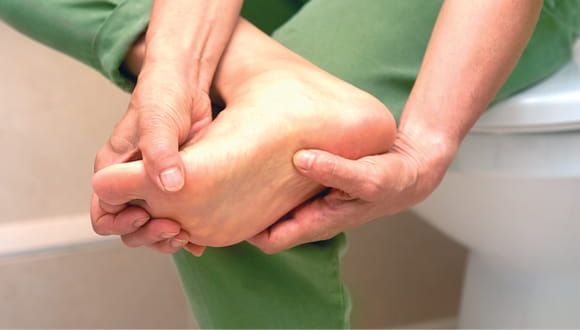
What to Do When a Cramp Happens
If you experience a cramp at night:
- Gently stretch and massage the affected muscle
- Try walking or moving to relax the muscle
- Apply a warm compress to ease discomfort
These steps can help the muscle relax more quickly.
The Bottom Line
Nighttime cramps are common and often harmless, but they shouldn’t be ignored if they occur frequently.
Your body may be sending a signal—whether it’s dehydration, poor nutrition, or something more serious. Paying attention early can help you prevent bigger problems later.