It can be confusing, especially when the urge arrives only minutes after eating. Does food really move through the digestive system that quickly? Could it be a sign of irritable bowel syndrome, a food intolerance, or something more serious?
The good news is that needing to have a bowel movement shortly after eating is not automatically a sign of illness. In many cases, it is connected to a normal digestive process known as the gastrocolic reflex. However, when the urge is unusually intense, happens alongside diarrhea or abdominal pain, or represents a noticeable change in bowel habits, it deserves closer attention.
Understanding why this happens can help you recognize what is normal, identify possible triggers, and decide when it is time to speak with a healthcare professional.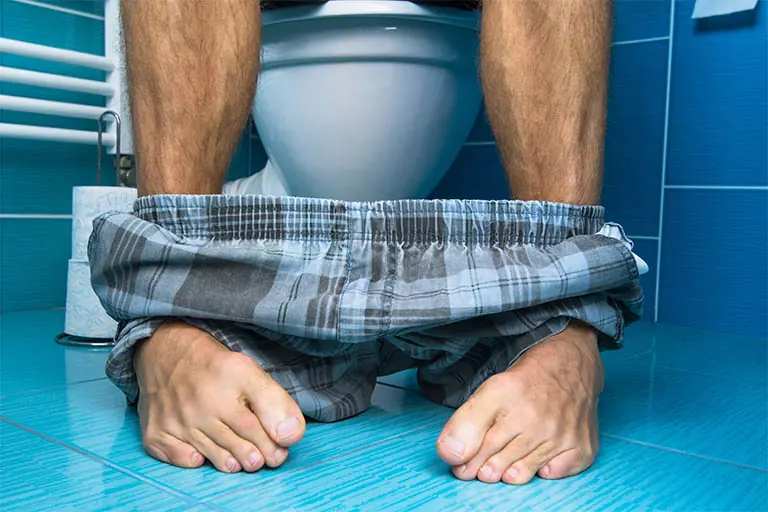
Chapter 1: The Gastrocolic Reflex — Why Eating Can Make You Need the Bathroom
One of the most common explanations for needing to poop soon after eating is the gastrocolic reflex. Despite its complicated name, this is a natural communication process between the stomach and the colon.
When you eat, your stomach begins expanding as food enters. Nerves and hormonal signals respond to this activity and communicate with other parts of the digestive system. These signals can stimulate contractions in the large intestine, encouraging existing stool to move toward the rectum.
In simple terms, eating can tell your colon that it is time to make room for more digestive material.
This explains why someone may feel the urge to use the bathroom within minutes of finishing a meal. The food they have just eaten has not traveled all the way through their digestive tract. Instead, the meal has triggered movement in the colon, pushing along waste that was already there.
Why Does the Reflex Happen?
The digestive system is designed to coordinate several processes at once. After food enters the stomach, the body prepares for digestion and nutrient absorption. The stomach stretches, digestive hormones are released, and the nervous system adjusts activity throughout the gastrointestinal tract.
These changes can increase movement in the colon.
The gastrocolic reflex is especially noticeable after larger meals because greater stomach expansion may produce stronger signals. Meals containing substantial amounts of fat may also stimulate digestive activity in some people.
The reflex can vary considerably from one person to another. Some individuals barely notice it, while others experience a strong urge to have a bowel movement shortly after eating.
Neither pattern automatically indicates a health problem.
Why Is It Often Stronger in the Morning?
Many people notice that their bowel movements occur shortly after breakfast. There are several reasons for this.
First, the colon has its own daily rhythm. Its activity often increases after waking, helping the body move stool through the digestive tract. Eating breakfast can add another stimulus through the gastrocolic reflex.
Second, the digestive system does not completely stop working during sleep, but bowel activity and the body's daily hormonal patterns change throughout the day. By morning, stool may already be present in the lower part of the colon.
When breakfast stimulates intestinal contractions, the combination can create a particularly strong urge.
This is why some people naturally develop a routine of eating breakfast and then using the bathroom. If the bowel movement is comfortable and the stool is generally well formed, this pattern may simply reflect normal digestive function.
Does It Mean Food Is Passing Through Too Quickly?
Not necessarily.
A common misconception is that if someone needs to poop ten or fifteen minutes after eating, the meal must have passed through the entire digestive system in that short period.
That is generally not what happens.
Food typically takes many hours to move through the stomach and small intestine, while the complete journey through the digestive tract can take considerably longer. The exact timing varies depending on the individual, the meal, hydration, activity, and other factors.
The bowel movement that occurs immediately after eating usually involves material that was already in the colon.
The distinction is important because it helps explain why a post-meal bathroom visit is not, by itself, evidence of unusually rapid digestion.
However, if the urge is accompanied by frequent watery diarrhea, severe cramping, unexplained weight loss, or other concerning symptoms, another digestive issue may be involved.
Chapter 2: Digestive Conditions That Can Make the Urge More Intense
Although the gastrocolic reflex is normal, certain digestive conditions can make it unusually strong or uncomfortable. If you repeatedly experience urgent bowel movements after meals, it may be worth considering whether another factor is contributing.
1. Irritable Bowel Syndrome (IBS)
Irritable bowel syndrome, commonly known as IBS, is one of the conditions frequently associated with urgency after eating.
IBS is a disorder of gut-brain interaction. This means that communication between the brain, nerves, and digestive tract does not function in the usual way. The intestines may become more sensitive to normal digestive activity, and bowel movements may become irregular.
People with IBS can experience several symptoms, including:
-
Abdominal pain or cramping.
-
Bloating and excessive gas.
-
Diarrhea, constipation, or alternating between the two.
-
A sudden urge to have a bowel movement.
-
A feeling that the bowel has not completely emptied.
-
Symptoms that become more noticeable after certain meals.