Nighttime itching, also known as nocturnal pruritus, is a common experience. It can affect people of all ages and may occur with or without a visible rash. Sometimes the explanation is relatively simple, such as dry skin, a warm bedroom, or irritation caused by laundry products. In other situations, persistent nighttime itching may be associated with eczema, allergies, infections, medication reactions, or underlying medical conditions.
What makes this symptom particularly frustrating is that it often seems worse precisely when you are trying to relax. You may feel comfortable throughout the day, but as soon as you lie down, the itching becomes difficult to ignore.
So why does this happen? Is your skin reacting to something in your bedroom, or could your body be signaling a health issue that deserves attention?
Understanding the possible causes can help you recognize what may be happening and decide when it is time to seek medical advice.
1. Your Skin Naturally Loses More Moisture Under Certain Conditions at Night
One of the most common reasons for nighttime itching is dry skin.
Your skin acts as a protective barrier, helping retain moisture while protecting the body from environmental irritants, microorganisms, and other external influences. When this barrier becomes weakened, water escapes more easily, leaving the skin dry, rough, tight, and sometimes intensely itchy.
Several factors can make dryness particularly noticeable at night.
For example, indoor heating, air conditioning, low humidity, frequent hot showers, and harsh soaps can gradually strip moisture from the skin. If you already have sensitive skin, these factors may make itching more uncomfortable.
The body's natural biological rhythms may also influence skin hydration and barrier function throughout the day and night. Changes in skin temperature, blood flow, and moisture regulation can affect how dryness and irritation are experienced.
You may notice that your legs, arms, hands, or lower back become especially itchy after getting into bed.
Dry skin does not always produce an obvious rash. Sometimes the only signs are fine flakes, rough patches, tightness, or a persistent urge to scratch.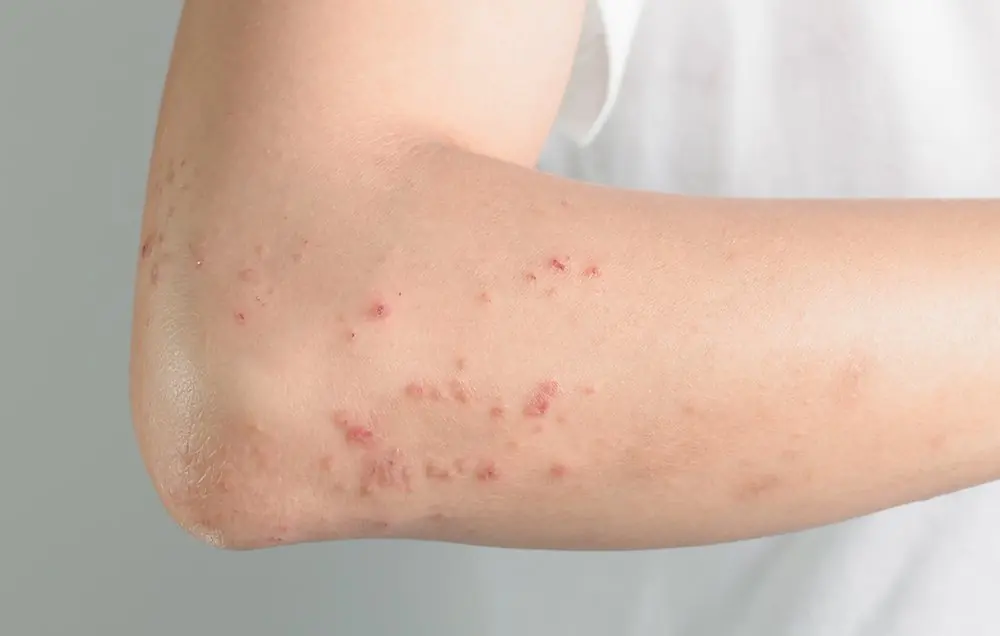
What can help?
-
Apply a fragrance-free moisturizer immediately after bathing.
-
Choose lukewarm water instead of very hot showers.
-
Avoid strongly scented soaps and body washes.
-
Use a gentle cleanser designed for sensitive skin.
-
Consider using a humidifier if your bedroom air is very dry.
-
Drink enough water throughout the day, although hydration alone will not correct a damaged skin barrier.
Thick creams and ointments are often more effective at reducing moisture loss than lightweight lotions. Ingredients such as petrolatum, ceramides, and glycerin can help support the skin barrier.
If dryness continues despite consistent skin care, a healthcare professional or dermatologist can help determine whether another condition is contributing to the problem.
2. Your Body Temperature Changes During the Night
Have you noticed that itching becomes worse when you feel hot under your blankets?
There may be a connection.
Body temperature follows a natural daily rhythm. It generally begins to decrease as bedtime approaches and continues changing throughout the night. However, the skin's temperature and the body's perception of warmth can vary depending on the environment, bedding, clothing, and individual physiology.
When you sleep under heavy blankets or in a warm bedroom, your skin may become overheated.
Heat can aggravate several itchy skin conditions, including eczema, and may increase discomfort in people who already have sensitive skin.
Sweating can make the situation worse. Sweat contains substances that may irritate sensitive or inflamed skin, particularly when it remains trapped against the body under tight clothing or bedding.
People with eczema may notice that warmth and sweating trigger more intense itching, creating a cycle in which scratching further damages the skin barrier.
What can help?
Keep your bedroom at a comfortable temperature. Choose breathable sleepwear, avoid excessively heavy bedding, and consider cotton or other comfortable fabrics that allow moisture to escape.
If you tend to sweat at night, changing into clean, dry sleepwear may reduce irritation.
You should also pay attention to whether itching occurs only when you feel hot. If so, adjusting your sleeping environment may make a noticeable difference.
However, persistent itching should not automatically be blamed on temperature. Other causes may need to be investigated.
3. Eczema May Become More Uncomfortable After You Go to Bed
Eczema, also known as atopic dermatitis, is a chronic inflammatory skin condition characterized by dryness, irritation, and itching.
It can affect people of different ages and may appear on the hands, arms, legs, neck, face, and other areas of the body.
One of the most frustrating features of eczema is that itching can interfere significantly with sleep.
People with eczema often experience an itch-scratch cycle. The skin becomes inflamed and itchy, prompting scratching. Scratching damages the protective barrier, increases irritation, and can make the itching even worse.
At night, several factors may contribute to the increased discomfort.
The bedroom may be too warm, the skin may be dry, or clothing and bedding may create friction. In addition, fewer daytime distractions can make the sensation of itching more noticeable.
Eczema does not always look the same. Depending on the person's age, skin tone, and stage of the condition, symptoms may include:
-
Dry, rough, or scaly skin.
-
Red, brown, purple, or darker patches.
-
Small raised bumps.
-
Thickened skin from repeated scratching.
-
Cracked or irritated areas.
-
Persistent itching that interferes with sleep.
Repeated scratching can also cause skin infections, especially when the skin becomes broken.
What can help?
Consistent moisturizing is one of the most important parts of eczema care. Apply an appropriate fragrance-free moisturizer regularly, particularly after bathing.
Avoid products containing fragrances or ingredients that have previously caused irritation. Keep showers short and use lukewarm water.