Scratching can also interfere with sleep, especially when it becomes an unconscious habit during the night.
Try pressing a cool, damp cloth gently against the itchy area instead of using your fingernails.
Keeping your nails short can reduce accidental skin damage.
If you repeatedly wake up scratching, treating the underlying cause is more effective than trying to suppress the behavior alone.
19. How to Reduce Nighttime Itching Naturally and Safely
If your itching is mild and appears to be related to dry skin or environmental irritation, several simple habits may help.
Moisturize Before Bed
Apply a fragrance-free cream or ointment after bathing and again before going to sleep if necessary.
Focus on dry areas such as the legs, arms, hands, and feet.
Products containing ceramides, glycerin, or petrolatum may help support the skin barrier.
Take Short, Lukewarm Showers
Long, hot showers can remove natural oils from the skin.
Use lukewarm water and avoid scrubbing irritated areas aggressively.
After bathing, pat the skin dry rather than rubbing it with a towel.
Choose Comfortable Sleepwear
Wear loose-fitting clothing made from breathable materials.
Tight garments, rough fabrics, and synthetic materials that trap heat may worsen irritation in some individuals.
Change Your Bedding Regularly
Wash sheets, pillowcases, and blankets according to their care instructions.
If you suspect an allergy to detergent, consider switching to a fragrance-free product.
Keep Your Bedroom Comfortable
Avoid excessive heat and heavy bedding if you tend to sweat at night.
A comfortable sleeping environment may reduce irritation associated with overheating.
Use a Cool Compress
Place a cool, damp cloth on the itchy area for several minutes.
Avoid applying ice directly to the skin, as extreme cold can cause additional irritation or injury.
Avoid Products That Trigger Irritation
Fragranced lotions, harsh soaps, certain cosmetics, and some household cleaning products can aggravate sensitive skin.
If a new product appears to trigger symptoms, stop using it and discuss persistent reactions with a healthcare professional.
Keep a Symptom Diary
Write down when the itching begins, which areas are affected, whether a rash appears, and what products or medications you have recently used.
You can also record changes in diet, bedding, laundry detergent, room temperature, and other environmental factors.
This information may help a healthcare professional identify patterns and possible triggers.
20. When Should You See a Doctor About Nighttime Itching?
Occasional itching that improves after moisturizing or changing your sleeping environment is usually less concerning.
However, you should arrange a medical evaluation if:
-
Itching continues for more than two weeks without a clear explanation.
-
It regularly disrupts your sleep.
-
It affects large areas of your body.
-
It occurs without a visible rash and persists.
-
It becomes progressively worse.
-
You develop sores, bleeding, or signs of skin infection.
-
You experience unexplained fatigue, fever, weight loss, or night sweats.
-
You have known liver, kidney, thyroid, or blood disorders.
-
You develop itching after starting a new medication.
Seek urgent medical attention if you experience severe allergic symptoms, such as difficulty breathing, swelling of the tongue or throat, or faintness.
You should also seek prompt assessment if itching during pregnancy is severe, particularly when it affects the palms and soles without an obvious rash.
What Will a Doctor Check If You Have Persistent Itching?
If you visit a healthcare professional because of persistent nighttime itching, the evaluation will depend on your symptoms and medical history.
The clinician may begin by examining your skin to look for dryness, eczema, hives, infection, bites, or other visible changes.
They may ask questions such as:
-
When did the itching begin?
-
Is it worse at night or present throughout the day?
-
Does it affect one area or the entire body?
-
Is there a visible rash?
-
Have you started any new medications?
-
Have other people in your household developed itching?
-
Do you have other symptoms, such as fatigue, fever, or weight changes?
-
Have you recently changed laundry products, soaps, or bedding?
If the cause is not obvious, blood tests may be considered.
Depending on the situation, these may include:
-
A complete blood count.
-
Tests of liver function.
-
Tests of kidney function.
-
Thyroid function tests.
-
Iron studies.
-
Blood glucose testing.
Not everyone needs all these tests. The appropriate investigation depends on the clinical findings.
In some cases, a skin scraping, allergy assessment, or skin biopsy may be recommended.
Identifying the underlying cause is important because treatments differ significantly. A moisturizer may help dry skin, while an infection, autoimmune condition, medication reaction, or internal medical problem may require a different approach.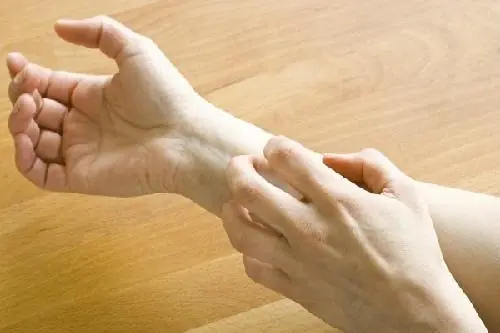
Final Thoughts: Your Nighttime Itching Deserves Attention, Not Panic
Nighttime itching can be exhausting, especially when it repeatedly interrupts your sleep and leaves you feeling uncomfortable the following morning.
Sometimes the explanation is simple: dry skin, a warm bedroom, irritating laundry products, or a condition such as eczema.
In other situations, persistent itching may be associated with allergies, medication reactions, infections, hormonal changes, or medical conditions involving the liver, kidneys, thyroid, or blood.
The timing of the itching can provide useful clues, but it cannot identify the cause on its own.
Pay attention to where the itching occurs, whether a rash is present, how long symptoms last, and whether other changes appear.
Start with gentle skin care, comfortable bedding, and a bedroom environment that does not overheat your body. Avoid excessive scratching and be cautious about using multiple creams or medications without understanding what is causing the irritation.
Most importantly, do not ignore itching that is persistent, unexplained, or severe enough to interfere with your sleep.
Your skin is an important part of your body's protective system. Changes in how it looks and feels can sometimes provide useful information about your health.
The goal is not to become alarmed by every itch. It is to recognize when a simple symptom deserves a closer look and to seek appropriate care when necessary.
A peaceful night's sleep should not involve hours of scratching. If nighttime itching keeps returning, finding its underlying cause may be the first step toward feeling comfortable again.