Dogs are known for their loyalty, intelligence, and ability to form deep emotional bonds with humans. Many people consider dogs to be friendly companions that enjoy interacting with people. However, it is not uncommon to see a dog bark at, growl at, or even attempt to bite certain individuals while remaining calm and affectionate toward others. This behavior can seem confusing, especially when the person who triggers the reaction may not have done anything obvious to provoke the dog.
In reality, dogs rely heavily on instincts, body language, and sensory perception to interpret the world around them. Their reactions toward different people are often based on subtle signals that humans may not even notice. Understanding why dogs behave this way can help improve interactions between humans and animals and reduce misunderstandings.
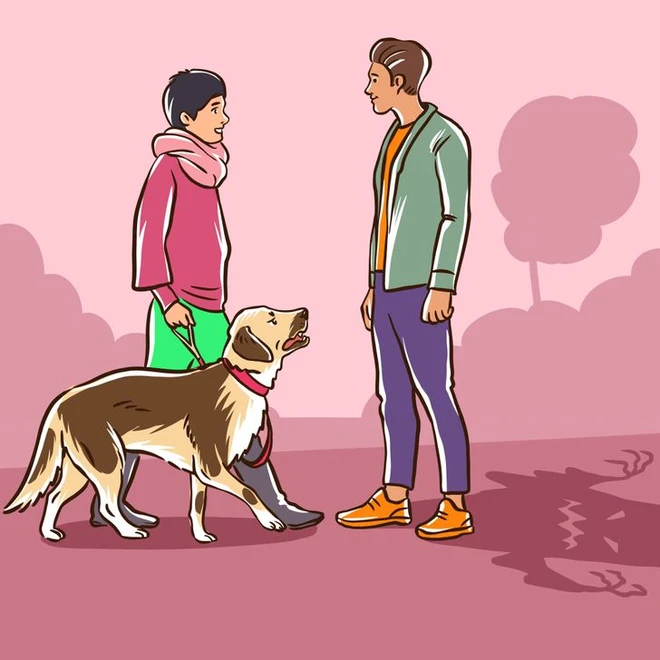
Dogs Are Highly Sensitive to Body Language
One of the primary ways dogs interpret their environment is through body language. Dogs constantly observe posture, movement, facial expressions, and gestures. Humans may communicate with words, but dogs rely far more on physical cues.
If a person approaches a dog with sudden movements, stiff posture, or direct eye contact, the dog may interpret these actions as threatening. Even something as simple as leaning over a dog or reaching toward its head quickly can make the animal feel uncomfortable.
On the other hand, people who move calmly and avoid intimidating gestures may appear safer to the dog. This difference in body language can explain why a dog reacts positively to one person but defensively toward another.
Dogs Detect Fear and Emotional Energy
Dogs have a remarkable ability to detect emotional states. Their strong sense of smell allows them to perceive subtle chemical changes in the human body related to emotions such as fear or stress.
When a person feels anxious around dogs, their body may release stress-related hormones. Dogs can sometimes detect these chemical signals and may interpret them as signs of uncertainty or tension.
In some cases, a nervous person may move in a hesitant or unpredictable way, which can further increase a dog’s suspicion. Meanwhile, someone who remains relaxed and confident may appear more predictable and less threatening.
Past Experiences Influence Behavior
Just like humans, dogs remember past experiences. If a dog has previously had a negative encounter with someone who shares certain characteristics—such as a specific voice tone, clothing style, or physical appearance—it may associate those features with danger.
For example, if a dog was once frightened by someone wearing a hat or uniform, it may react defensively when seeing similar clothing again. The dog is not judging the person but responding to a learned association.
These reactions are part of a dog’s natural survival instinct. By remembering previous experiences, dogs attempt to protect themselves from situations that they perceive as potentially harmful.
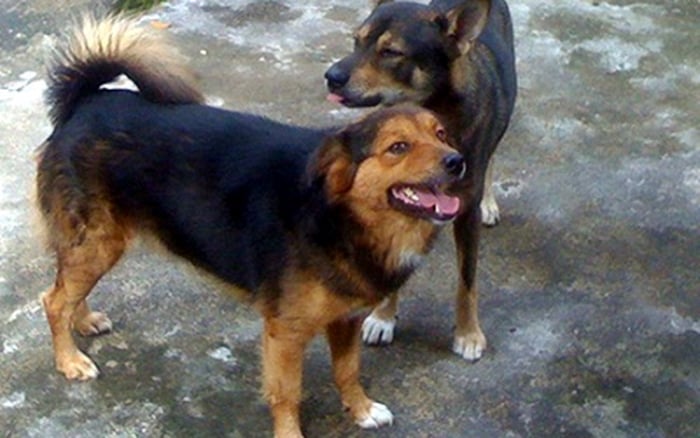
Unfamiliar Scents Can Trigger Reactions
A dog’s sense of smell is far more powerful than that of humans. Dogs can detect and interpret scents that people cannot even notice.
Sometimes a dog may react strongly to a person simply because they carry unfamiliar or confusing scents. For example, someone who recently interacted with other animals may smell different to a dog.
Dogs may also react to strong perfumes, chemical odors, or unfamiliar environmental scents carried on clothing. These smells may cause curiosity, excitement, or even caution depending on the dog’s personality.
Protective Instincts and Territory
Dogs naturally develop protective instincts toward their homes and families. When a dog perceives someone entering its territory, it may become alert or defensive.
If a dog sees a stranger approaching its owner, house, or personal space, it may bark as a warning. This behavior is part of the dog’s instinct to guard what it considers important.
However, when the dog becomes familiar with certain people through repeated exposure, it may begin to recognize them as safe and friendly.
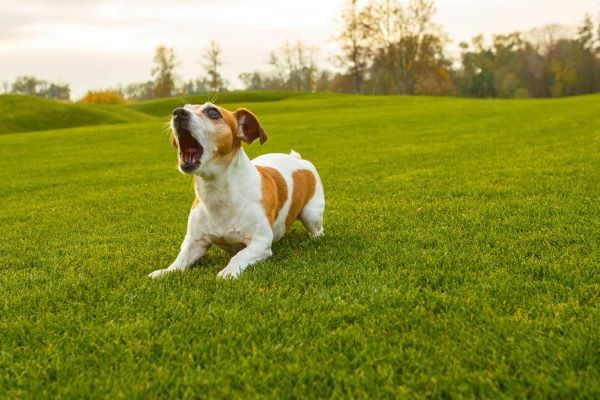
Different Reactions to Voice and Tone
Dogs are extremely sensitive to sound and voice tone. The way someone speaks can influence how a dog responds to them.
A calm, gentle voice often helps dogs feel comfortable, while loud or aggressive tones may trigger defensive reactions. Even laughter, shouting, or sudden vocal changes can surprise a dog and cause it to bark.
People who naturally speak softly or approach dogs in a soothing manner often receive more positive reactions.
Children and Unpredictable Movements
Dogs sometimes react differently to children compared to adults. Young children may move unpredictably, run quickly, or make sudden loud noises. These behaviors can confuse or frighten some dogs.
While many dogs are patient and friendly with children, others may feel uncertain around fast movements or unfamiliar interactions. Proper supervision and gentle behavior around dogs can help prevent misunderstandings.
Dogs Sense Confidence and Leadership
Dogs evolved as social animals that respond strongly to hierarchy and leadership within their groups. Many dogs feel more comfortable around individuals who display calm confidence and predictable behavior.
A person who stands calmly, moves slowly, and avoids sudden gestures often appears more trustworthy to a dog. In contrast, someone who moves erratically or appears unsure may unintentionally trigger a defensive response.
This does not mean the dog dislikes the person. Instead, the dog may simply be unsure how to interpret the signals it is receiving.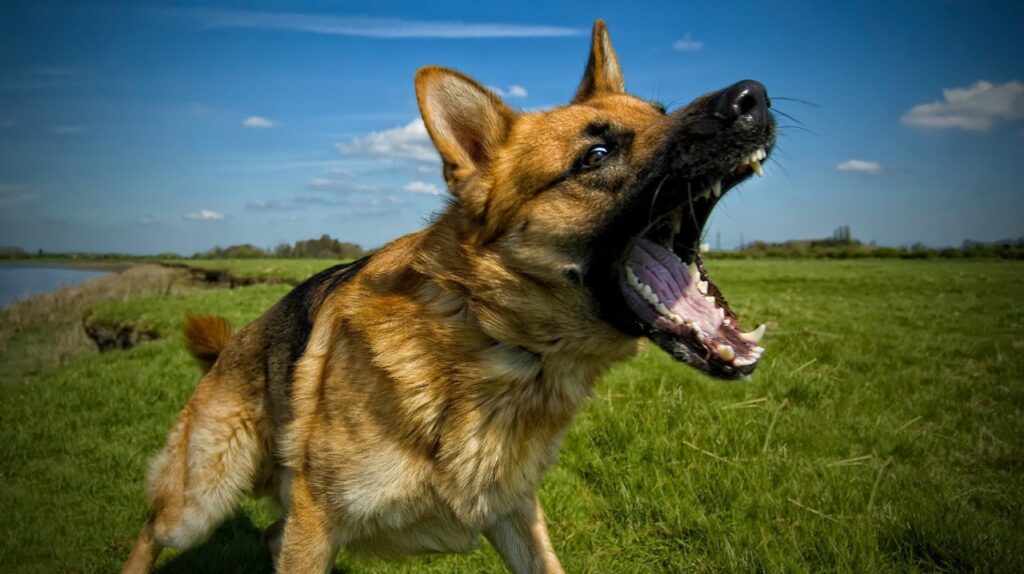
Training and Socialization Matter
A dog’s upbringing also plays a major role in how it reacts to people. Dogs that have been well socialized from a young age—meaning they have been exposed to different people, environments, and experiences—tend to be more relaxed around strangers.
Dogs that had limited exposure to new situations during early development may be more cautious or reactive. Proper training and socialization help dogs learn that new people are not necessarily threats.
Responsible pet ownership includes teaching dogs how to respond appropriately to unfamiliar individuals.
Conclusion
Dogs do not randomly choose to bark at or react aggressively toward certain people. Their behavior is usually influenced by a combination of body language, scent detection, past experiences, environmental cues, and protective instincts.
Because dogs perceive the world differently than humans, they may respond to signals that people do not even realize they are sending. Understanding these factors can help humans interact more safely and comfortably with dogs.
Approaching dogs calmly, respecting their space, and recognizing their communication signals can reduce the chances of negative encounters. By learning more about canine behavior, people can build better relationships with these intelligent and sensitive animals.