Why Experts Warn Against Using Fingerprint and Face Recognition to Unlock Your Smartphone
Biometric authentication—such as fingerprint scanning and facial recognition—has become one of the most popular ways to unlock smartphones. It is fast, convenient, and widely regarded as secure. However, cybersecurity specialists and digital privacy experts warn that relying solely on biometric data may expose users to serious risks. From data theft to legal vulnerability, the dangers are far greater than many people realize.
Below are the key reasons why depending on fingerprints and facial recognition may not be as safe as you think.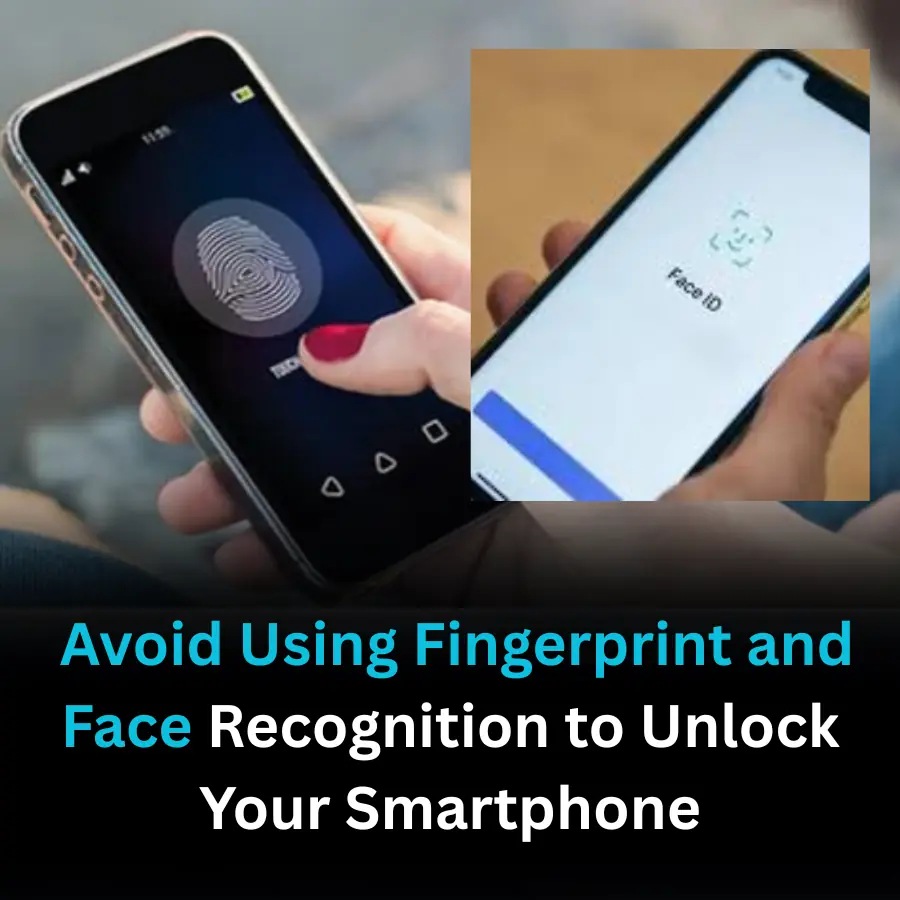
1. Your Biometric Data Cannot Be Changed if Compromised
Passwords can be reset. PIN codes can be rewritten.
Biometrics? You only have one face and ten fingerprints for your entire life.
If a hacker steals your biometric data through:
-
a breached database,
-
a compromised app,
-
or a cloned fingerprint from a surface you touched,
you cannot simply “change” your fingerprint or face.
This makes biometric theft permanent and irreversible, turning victims into long-term targets for identity fraud.
2. You Can Be Forced to Unlock Your Phone
In many countries, law enforcement can legally compel individuals to unlock their phones using:
-
their fingerprint,
-
their face,
-
or physical coercion.
However, in most jurisdictions, you cannot be forced to reveal a password or PIN due to self-incrimination protections.
This means:
Biometrics weaken your legal protection.
A thief or attacker could also physically force your finger onto the sensor or hold your phone up to your face—something impossible with a PIN.
3. Artificial Intelligence Can Now Fake Your Face
With the rise of deepfake technology, AI can:
-
generate hyper-realistic videos of your face,
-
reconstruct your facial features from social media photos,
-
mimic your expressions,
-
trick certain facial recognition systems.
Meanwhile, high-resolution cameras can easily capture fingerprints and replicate them using cheap materials.
In short, AI has made biometrics much easier to copy or manipulate.
4. Biometric Systems Are Not Perfectly Accurate
Even the best recognition algorithms suffer from:
-
false positives (unlocking for the wrong person),
-
false negatives (failing to recognize the correct owner),
-
difficulty scanning in low light, with wet fingers, or when wearing masks.
Manufacturers often trade security for convenience, lowering the sensitivity of sensors to avoid user frustration.
This opens the door for unauthorized access.
5. Biometrics Are Constantly Collected Without Consent
Your face and fingerprints are exposed everywhere:
-
surveillance cameras,
-
workplace scanners,
-
public facilities,
-
social media photos,
-
government databases.
Third parties may store or analyze this information without your knowledge. If leaked, it cannot be retrieved or deleted.
This creates a massive privacy risk.
So What Should You Use Instead?
Cybersecurity experts recommend:
Use a PIN or Password as Your Primary Lock
-
At least 6 digits
-
Avoid birthdates, simple sequences, or repeated digits
-
Consider using an alphanumeric password for maximum security
Use Biometrics Only as a Secondary Convenience Option
Enable biometric unlocking only when necessary, and never for sensitive apps such as:
-
banking,
-
investment platforms,
-
digital wallets,
-
private messaging,
-
cloud storage.
Conclusion
Fingerprint and facial recognition offer convenience—but at the cost of long-term privacy and security. Because biometric traits cannot be changed, the consequences of a data breach are permanent. With AI increasingly capable of forging identities, and legal systems allowing forced biometric unlocking, relying solely on biometrics is a dangerous choice.
Passwords remain the most secure, most flexible, and most legally protected method of safeguarding your personal data.