
If your partner turns their back on you while sleeping, it means... See more 👇
Most People Misunderstand This Common Sleeping Position
Facts 23/07/2026 13:42
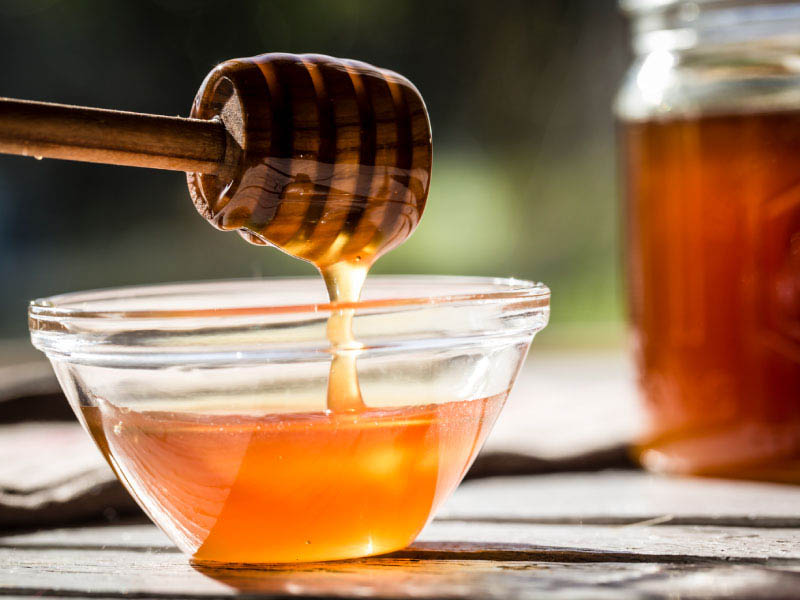
Honey has been enjoyed for thousands of years as both a natural sweetener and a traditional remedy. Produced by honeybees from flower nectar, honey contains natural sugars, antioxidants, vitamins, minerals, and bioactive plant compounds. While honey should still be consumed in moderation because it is high in sugar, research suggests it may offer several health benefits when used as part of a balanced diet.
Here are 10 science-backed reasons to include honey in moderation.
Honey contains a variety of antioxidants, including:
Flavonoids
Phenolic acids
Polyphenols
These compounds help protect cells from oxidative stress caused by free radicals, which may contribute to healthy aging and overall wellness.
Generally, darker varieties of honey contain higher levels of antioxidants than lighter varieties.

One of honey's best-known uses is relieving coughs associated with upper respiratory infections.
Research suggests that a spoonful of honey before bedtime may help:
Reduce nighttime coughing.
Soothe throat irritation.
Improve sleep quality in children over one year of age and adults.
Honey should never be given to infants younger than 12 months due to the risk of infant botulism.
Medical-grade honey has been used in healthcare settings to help treat certain wounds and burns.
It may help by:
Maintaining a moist wound environment.
Limiting bacterial growth.
Supporting tissue repair.
Only medical-grade honey should be used for wound care—not regular table honey.
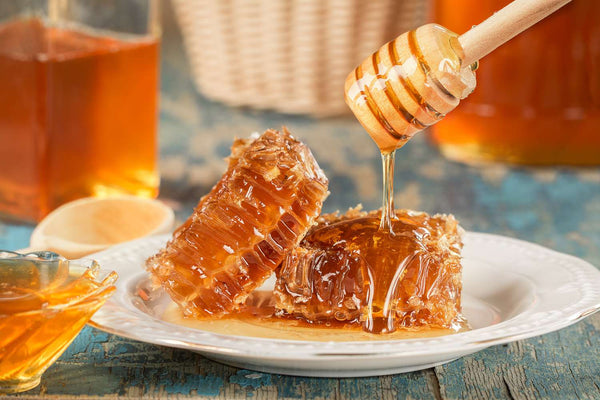
Honey contains natural carbohydrates, mainly:
Fructose.
Glucose.
These sugars provide a quick source of energy, making honey a popular choice before or after physical activity.
The antioxidants found in honey may help support cardiovascular health by reducing oxidative stress and inflammation.
Replacing refined sugar with moderate amounts of honey may offer some nutritional advantages, although honey is still a form of added sugar.
Some types of honey contain compounds that may act as prebiotics, helping nourish beneficial bacteria in the gut.
A healthy gut microbiome supports digestion and overall health.

Although honey is not a major source of nutrients, it provides small amounts of:
Potassium.
Calcium.
Magnesium.
Iron.
Zinc.
B vitamins.
Its greatest nutritional value comes from its antioxidants rather than its vitamin content.
Chronic oxidative stress has been linked to many long-term health conditions.
The natural antioxidants in honey may help reduce oxidative damage when included as part of a diet rich in fruits, vegetables, whole grains, and other nutrient-dense foods.
Using honey instead of refined sugar may add flavor along with small amounts of beneficial plant compounds.
However, honey still raises blood sugar and should be consumed in moderation, especially by people with diabetes.
Honey is versatile and can be enjoyed in many ways, including:
Stirred into tea.
Drizzled over yogurt.
Added to oatmeal.
Mixed into smoothies.
Used in homemade salad dressings.
Spread on whole-grain toast.
Combined with nuts and fruit.
Using small amounts can add sweetness without relying entirely on refined sugar.
Although honey is safe for most healthy adults, some people should use caution.
Infants under 12 months, because of the risk of infant botulism.
People with a confirmed honey or bee-product allergy.
People with diabetes or prediabetes, who should monitor carbohydrate intake.
Individuals trying to lose weight, as honey is calorie-dense.
Anyone advised to follow a low-sugar diet.
For the best nutritional value:
Choose raw or minimally processed honey when appropriate.
Read labels to avoid products with added syrups.
Store honey in a tightly sealed container at room temperature.
If honey crystallizes, place the jar in warm water to return it to a liquid state.
Honey is a flavorful natural sweetener that provides antioxidants and may help soothe coughs, support wound healing when used in medical-grade form, promote digestive health, and offer a quick source of energy. However, it is still high in natural sugars and should be consumed in moderation.
For most healthy adults, enjoying honey as part of a balanced diet can be both delicious and beneficial, while infants under one year of age and certain other groups should avoid or limit its use.
Most People Misunderstand This Common Sleeping Position

Have You Ever Wondered Why Lizards Enter Homes? Here's One Traditional Interpretation


Dogs Have an Amazing Sense of Smell—And This Habit Actually Makes Perfect Sense...



A Guide to the Main Palm Lines and Their Traditional Meanings

Before You Replace Your Jeans, Here's Why They May Be Wavy After Washing

Hidden Inside This Common Fish Could Be Something You Never Expected… 😨🐟 See More 👇👇


25-Year-Old Man Suffers Kidney Failure After Just One Bite

What Should You Do If a Bird Flies Into Your House?
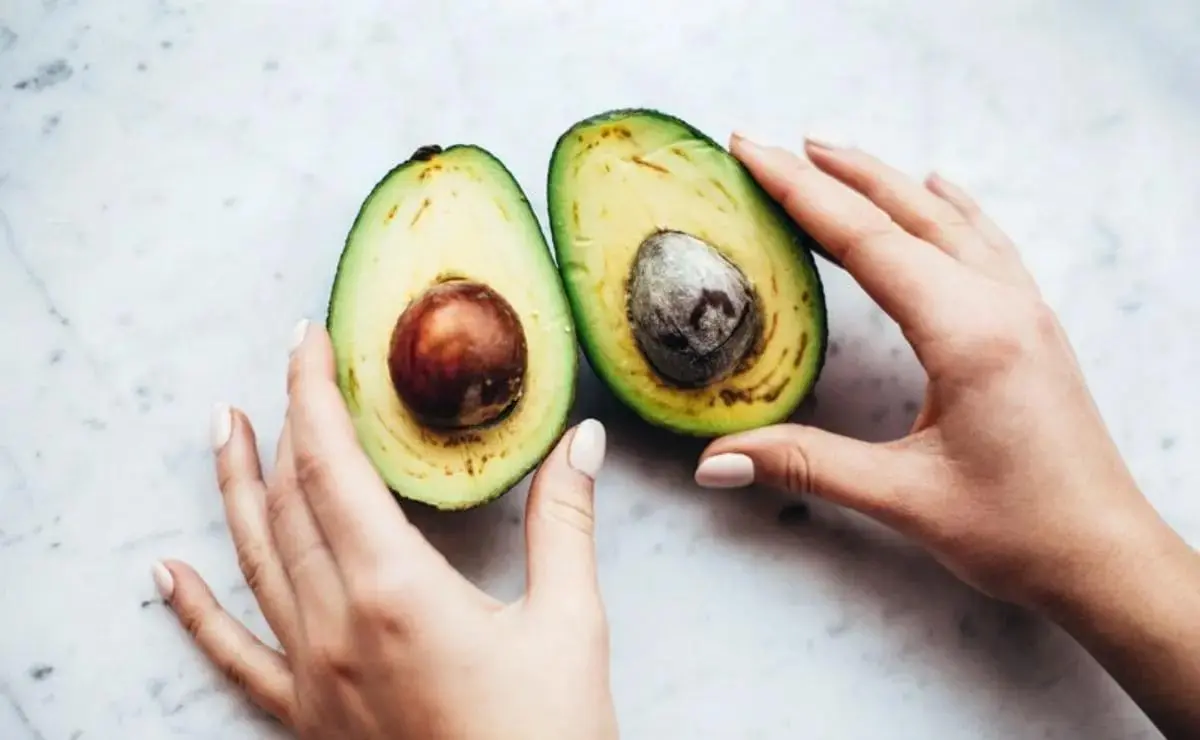
Not Every Brown Spot Means Your Avocado Has Gone Bad

It's Been Right in Front of You All Along—But What Does This Seatbelt Button Really Do? 👇

Your Toes May Be Sending You Signals About Your Health—Are You Paying Attention?

Helping a waiter clear the table may seem like a small gesture, but psychologists say it can reveal meaningful personality traits.

Next Time You Fly, Pay Attention to What Flight Attendants Do Before Takeoff! 😲

Liver Specialists Reveal the Daily Mistakes Many People Make


Recognizing Symptoms That May Be Linked to Gluten Sensitivity




5 Possible Morning Warning Signs of Kidney Disease


11 Symptoms That May Be Associated With Pancreatic Can.cer

How Certain Intimate Habits May Be Linked to Cervical Can.cer Risk: 3 Things to Know








You Don't Have to Smoke to Develop Lung Cancer

Most People Misunderstand This Common Sleeping Position