The shocking case of a young Vietnamese actress, not yet 30, who was recently diagnosed with ESRD, has sparked alarm across social media. But she is not alone.
In Hanoi, a 29-year-old carpenter with no prior history of chronic illness suddenly began experiencing persistent fatigue. He brushed it off as overwork—something many hardworking young adults might do. But when the exhaustion wouldn’t subside, he finally sought medical help. The results were devastating: end-stage renal failure. His kidneys were functioning at less than 10% of their capacity. Doctors are now doing their best to preserve what little function remains, but dialysis may be unavoidable.
Another chilling case comes from a university hospital: a second-year student, just over 20 years old, suddenly collapsed and was rushed to the ER. Initial tests ruled out heart conditions, stroke, or drug intoxication. But a deeper look revealed something unexpected—his kidneys had completely failed. The doctors were stunned. His lifestyle was typical of many young adults: late nights, processed food, and no exercise. But these habits may have cost him his kidney function—and possibly his future.
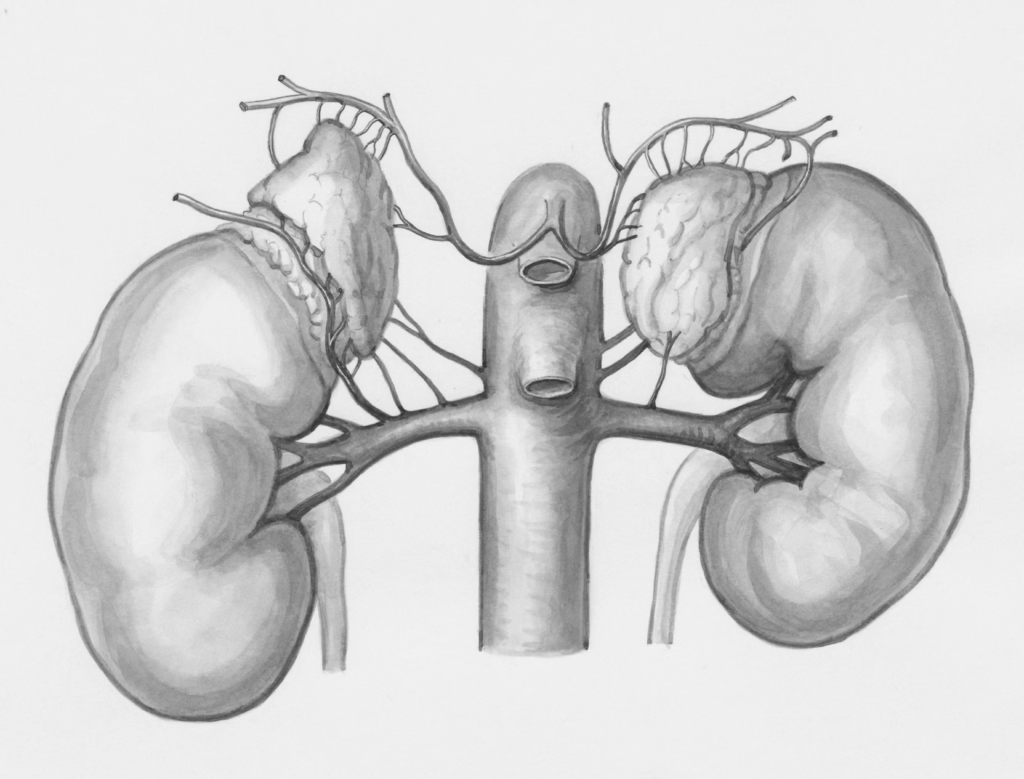
These stories are no longer outliers. Nephrologists around the world are raising the alarm: kidney failure is getting younger.
The Rise of Kidney Failure in Young Adults: A Global Concern
Kidney failure, particularly ESRD, is the final stage of chronic kidney disease (CKD), where the kidneys can no longer filter waste products from the blood effectively. According to the World Health Organization (WHO), CKD is now the 10th leading cause of death globally—and it’s rising.
In countries like Vietnam, India, the United States, and parts of Africa, nephrologists are seeing younger patients in increasing numbers. The Global Burden of Disease Study published in The Lancet reveals that deaths due to kidney disease have increased by over 50% in the past two decades. Alarmingly, the prevalence of CKD among people under 40 has doubled in some regions.
This shift is no longer just a statistical anomaly—it’s a symptom of a broader health crisis among the younger population.
Why Is This Happening? Two Key Habits Are Driving the Trend
Doctors agree: the kidney failure epidemic among young adults is largely preventable. In most cases, it is being driven by lifestyle—specifically, two common yet destructive habits:
1. Unbalanced Diets Rich in Protein and Processed Foods
Modern diets—especially those marketed as “high-protein” for fitness or weight loss—are placing enormous strain on young kidneys. Excessive protein intake leads to increased urea and uric acid levels in the blood, both of which the kidneys must filter out. Over time, this overload causes nephron damage and may lead to the formation of uric acid crystals, triggering kidney stones and even chronic inflammation.
Additionally, processed foods high in sodium, sugar, and phosphates disrupt the delicate mineral balance necessary for kidney function. Soft drinks, chips, cured meats, and instant noodles—staples of many youth diets—are laced with these additives.
A 2020 study in the Clinical Journal of the American Society of Nephrology found that a high-sodium, low-potassium diet is a major risk factor for both hypertension and kidney decline, even in young adults without preexisting health issues.
2. Lack of Exercise and Sedentary Lifestyle
The second major factor is inactivity. Physical inactivity contributes directly to obesity, insulin resistance, and hypertension—all of which are strongly linked to kidney damage. Without movement, blood flow to the kidneys declines, and the body becomes more prone to metabolic disorders.
A 2023 review in the journal Kidney International Reports linked sedentary behavior to rapid declines in estimated glomerular filtration rate (eGFR)—the key measure of kidney function.
The modern digital lifestyle—working on laptops, binge-watching series, endless scrolling on smartphones—means many young people sit for 10–12 hours per day, far more than the body was designed for.
The Danger of “Silent” Kidney Decline
One of the most terrifying aspects of kidney disease is how quietly it progresses.
In its early stages, CKD has almost no symptoms. The kidneys are incredibly resilient, able to function with as little as 20% of their normal capacity without raising any red flags. By the time symptoms like fatigue, poor appetite, swelling, or changes in urination appear, the damage is often irreversible.
What makes early diagnosis even harder is that many of the initial signs mimic more benign conditions:
- Fatigue and dizziness: Often confused with stress or anemia.
- Nausea and loss of appetite: Mistaken for gastritis or poor diet.
- Swollen ankles or puffiness around the eyes: Attributed to poor sleep or minor infections.
- Frequent urination at night (nocturia): Brushed off as a bladder issue or high fluid intake.
This silent progression means many young adults don’t get checked until they are in Stage 4 or 5 of CKD—when dialysis or kidney transplant is the only option.
How Kidney Function Is Measured
Doctors evaluate kidney health using a few key metrics:
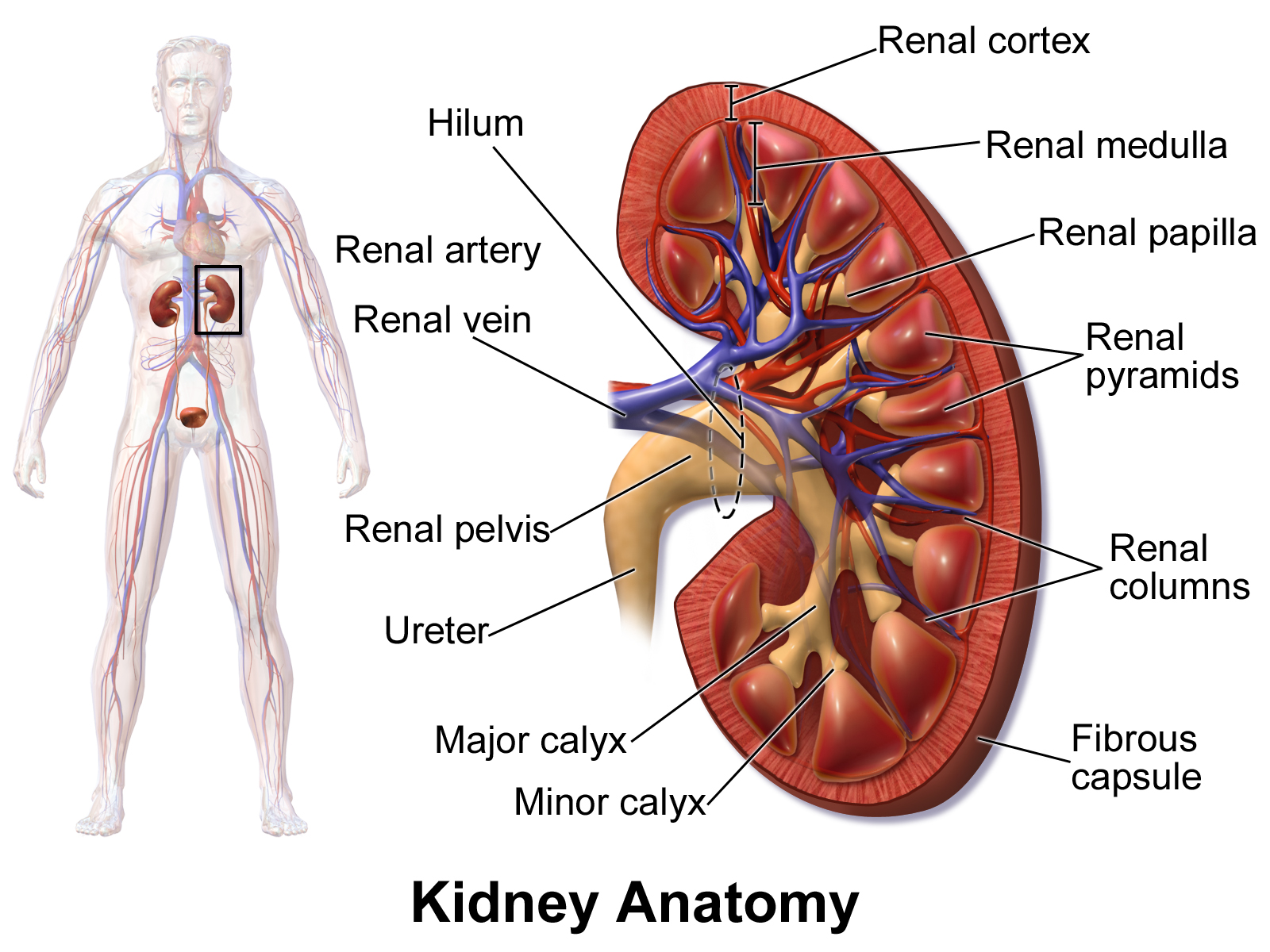
- eGFR (estimated Glomerular Filtration Rate): Measures how well your kidneys filter waste. An eGFR below 60 for more than 3 months is considered CKD. Below 15 means kidney failure.
- Creatinine: A waste product from muscle metabolism. High levels indicate poor filtration.
- BUN (Blood Urea Nitrogen): Another marker for how well kidneys are clearing waste.
- Urinalysis: Checks for protein, blood, or other abnormalities in urine.
The tragedy is that all of these are easily checked through basic blood and urine tests—yet most young people never ask for them.
Who Is at Risk?
While anyone can develop kidney disease, certain groups are at elevated risk:
- People with high-protein diets or on muscle-building regimens
- Those who use over-the-counter painkillers (like ibuprofen) frequently
- Young adults with obesity or prediabetes
- Individuals with a family history of kidney disease
- Smokers and those exposed to environmental toxins
- People with untreated urinary tract infections (UTIs)
- Frequent users of energy drinks and supplements
The Role of Energy Drinks and Supplements
Energy drinks, which are immensely popular among students and professionals, contain high levels of caffeine, sugar, and artificial additives. These substances can cause dehydration and increase blood pressure—both harmful to kidney health.
Meanwhile, unregulated protein powders and bodybuilding supplements can contain nephrotoxic substances such as creatine monohydrate, synthetic amino acids, or heavy metals like cadmium and lead.
A 2021 study in the Journal of Nephrology linked long-term supplement overuse to tubulointerstitial nephritis, an inflammatory condition that damages kidney tubules.
Don’t Wait for Symptoms: Get Screened Early
Doctors emphasize that prevention and early detection are key. Everyone—especially young adults—should consider getting a kidney checkup at least once every 6 to 12 months. Basic tests include:
- A urine test (to detect protein or blood)
- A blood test (to check creatinine and eGFR)
- A blood pressure reading
- A BMI measurement
Regular health checkups can catch early signs of kidney trouble before they spiral into chronic disease.
How to Protect Your Kidneys (Starting Today)
There’s good news: kidney disease is preventable—and even reversible in early stages. Here’s what experts recommend:
1. Eat Clean and Balanced
- Limit processed foods, sugar, and red meat.
- Choose whole grains, fresh fruits, and vegetables.
- Drink at least 2 liters of water per day unless advised otherwise.
- Avoid excessive salt and phosphates (found in soft drinks and processed snacks).
2. Move Your Body Daily
- Aim for at least 30 minutes of moderate exercise 5 days a week.
- Walking, yoga, swimming, and cycling all support kidney health.
3. Limit Painkiller and Supplement Use
- Avoid regular use of NSAIDs (like ibuprofen) unless prescribed.
- Stick to doctor-approved supplements and avoid unregulated products.
4. Control Blood Pressure and Blood Sugar
- Even in your 20s, check your blood pressure annually.
- If you have a family history of diabetes, get screened early.
5. Sleep Well and Manage Stress
- Chronic stress increases cortisol, which can damage organs.
- Sleep at least 7–9 hours per night to support cellular repair.
6. Quit Smoking and Reduce Alcohol
- Smoking narrows blood vessels, reducing kidney oxygenation.
- Excessive alcohol dehydrates the body and raises blood pressure.
A Final Wake-Up Call
Kidney failure isn’t just a disease of old age anymore—it’s knocking on the doors of dorm rooms, workstations, and gym lockers. The young are not invincible.
In a world that glamorizes hustle, all-nighters, fast food, and quick fixes, the quiet organ sitting under our ribs suffers most silently. But it doesn’t have to end in dialysis or a transplant.
A little awareness, a few lifestyle shifts, and the courage to prioritize your health can keep your kidneys humming quietly, for decades to come.
Don’t wait for symptoms. Don’t wait until it’s too late. Listen to your body—and get checked.