Chapter 1: Three Familiar Ingredients With a Long History in Traditional Wellness
Some of the most interesting ingredients in traditional wellness practices are not rare, expensive, or difficult to find. They are often sitting quietly in the kitchen: a few cloves of garlic, a jar of honey, and a small container of dried cloves. Each has been used in food preparation and traditional remedies for generations. Today, these three ingredients are attracting renewed attention because of their distinctive natural compounds and their potential roles in supporting general health.
Garlic, honey, and cloves have different nutritional and chemical profiles. Garlic is known for its sulfur-containing compounds, honey contains naturally occurring sugars and plant-derived substances, and cloves are particularly rich in aromatic compounds such as eugenol. When combined, they create a mixture with a strong flavor and a variety of compounds that researchers have studied for their possible biological effects.
However, understanding the difference between traditional use and proven medical benefit is essential. A mixture made from natural ingredients may be enjoyable and can form part of a balanced diet, but that does not automatically make it a treatment for infections, high blood pressure, diabetes, or other medical conditions.
Why these ingredients are often used together
Garlic has been valued in many food cultures for its distinctive flavor and traditional association with wellness. When a garlic clove is crushed or chopped, enzymes help produce allicin, a sulfur-containing compound that contributes to garlic's characteristic smell. Allicin and other garlic compounds have been investigated for their antimicrobial and cardiovascular effects.
Honey has a different role. It is naturally sweet, thick, and soothing. It contains glucose and fructose, along with small amounts of minerals, organic acids, enzymes, and plant compounds. Its low water activity and acidity help explain why honey can inhibit the growth of many microorganisms under certain conditions. Medical-grade honey is also used in specific wound-care products, although ordinary kitchen honey should not be treated as a substitute for approved wound treatment.
Cloves add another dimension. These dried flower buds of the clove tree have a warm aroma and a powerful flavor. Their essential oil contains eugenol, a compound studied for antioxidant, antimicrobial, and anti-inflammatory activity in laboratory settings. Cloves have traditionally been used in cooking and in some cultures for digestive discomfort and oral care.
Combining the three ingredients is appealing for several reasons. Honey softens the sharp taste of garlic and cloves, while the spices create a concentrated mixture that can be added to food or consumed in small quantities. The ingredients also contain different compounds, making the combination interesting from a nutritional and research perspective.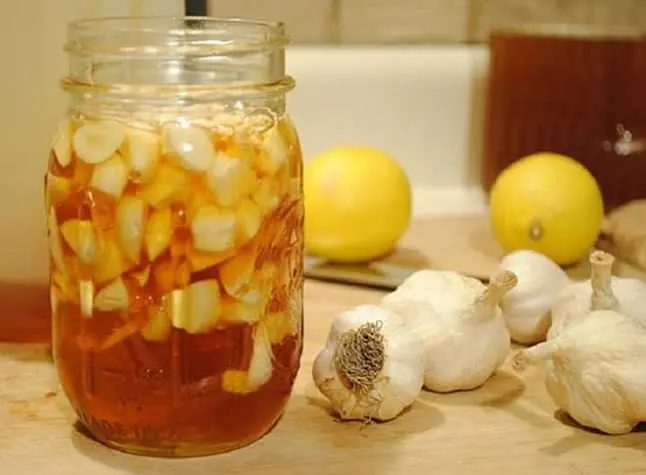
Natural does not automatically mean harmless
One common misconception is that natural products are always safe because they come from plants or other natural sources. In reality, natural ingredients can still cause side effects, allergic reactions, or interactions with medication.
Garlic may increase bleeding risk in some circumstances, particularly when consumed in large amounts or taken as a concentrated supplement. Clove oil can irritate tissues and may be harmful if swallowed in excessive quantities. Honey is unsuitable for infants younger than 12 months because of the risk of infant botulism.
The safest approach is to think of this combination as a food-based preparation rather than a medicinal formula. It may add flavor and variety to a diet, but it should not replace prescribed treatment, medical advice, or a balanced approach to health.
The real value of garlic, honey, and cloves lies in understanding what each ingredient contains, what research has actually discovered, and how to use them sensibly.
Chapter 2: Garlic and Its Potential Role in Supporting the Body
Garlic has been used for thousands of years in different cuisines and traditional health practices. It is a member of the Allium family, which also includes onions, leeks, and shallots. Its strong smell and flavor come from sulfur-containing compounds that form when the garlic tissue is damaged.
One of the best-known compounds associated with freshly crushed garlic is allicin. It is not present in large quantities in an intact clove. Instead, when garlic is chopped, crushed, or chewed, an enzyme called alliinase helps convert alliin into allicin. This compound is relatively unstable and can break down into other sulfur-containing substances.
Researchers have investigated these compounds because they may influence several biological processes.
1. Antioxidant activity
The body naturally produces molecules called free radicals during normal metabolism. Environmental exposures, smoking, and other factors can also contribute to oxidative stress. When free radicals accumulate beyond the body's ability to manage them, they can damage cells and tissues.
Garlic contains compounds that have demonstrated antioxidant activity in laboratory and experimental studies. These substances may help influence the body's oxidative balance.
This is one reason garlic is frequently discussed in relation to healthy aging and general wellness. However, laboratory antioxidant activity does not automatically translate into a meaningful reduction in disease risk in humans. The body is complex, and the effects of eating garlic depend on the amount consumed, the preparation method, and the individual's overall diet and health.