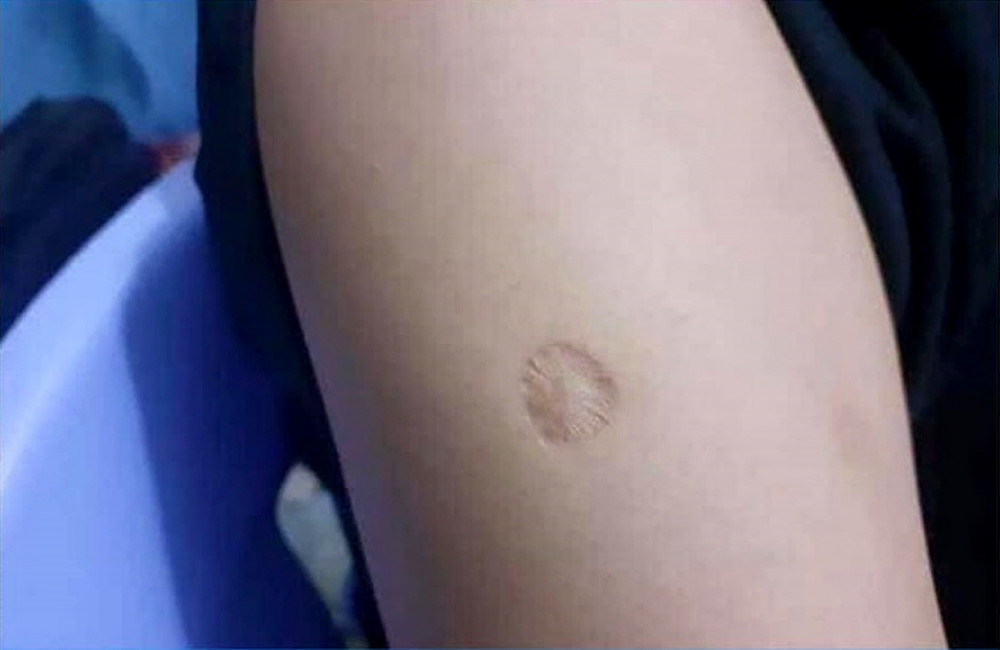
Many people around the world have a small round scar on their upper left arm and never think much about it. Some notice it during childhood, while others only become curious later in life after seeing similar marks on parents, grandparents, friends, or strangers.
For decades, this small scar has quietly connected millions of people across different countries and generations. Although some people mistake it for an old injury, burn mark, or skin condition, the scar often comes from something far more important — a vaccination that helped protect humanity from one of history’s deadliest diseases.
The mark is most commonly associated with the smallpox vaccine, and in some countries, similar scars may also come from the BCG vaccine used to help protect against tuberculosis.
These scars are more than just marks on the skin. For many people, they represent a major chapter in global public health history.
Why Do Some People Have This Scar?
The small circular scar usually forms after certain vaccines create a strong immune reaction in the skin.
Unlike many modern vaccines that leave no visible trace, older vaccination techniques often produced a noticeable skin response during healing.
The process typically involved:
- A small injection or puncture
- Localized skin irritation
- Formation of a blister or sore
- Scabbing during healing
- A permanent scar afterward
Over time, the area healed into the small round mark many people still carry today.
The Scar Most Commonly Linked to the Smallpox Vaccine
One of the most famous vaccine scars in history comes from the smallpox vaccine.
Smallpox was once one of the deadliest diseases in the world.
It caused:
- High fever
- Severe rash
- Painful skin lesions
- Blindness
- Permanent scarring
- Death in many cases
For centuries, smallpox outbreaks devastated populations across continents.
The disease spread easily and killed millions of people worldwide.
How the Smallpox Vaccine Changed History
The development of the smallpox vaccine became one of the greatest achievements in medical history.
Mass vaccination campaigns were carried out globally throughout the 20th century.
The vaccine helped:
- Reduce outbreaks
- Protect communities
- Save millions of lives
- Eventually eliminate naturally occurring smallpox
In 1980, the World Health Organization officially declared smallpox eradicated worldwide.
It remains one of the only human diseases ever completely eradicated through vaccination.
For many older adults, the scar on their arm serves as a reminder of that historic global effort.
Why the Scar Usually Appears on the Upper Arm
Vaccines that commonly caused visible scars were often administered on the upper arm because:
- The area was easy to access
- Healing could be monitored
- Clothing usually protected the site
- The muscle area was suitable for vaccination
The left arm became especially common in many countries due to standard medical practices used during vaccination campaigns.
The Role of the BCG Vaccine
In some countries, especially across Asia, Africa, Eastern Europe, and Latin America, a similar scar may come from the BCG vaccine.
The BCG vaccine is primarily used to help protect against severe forms of tuberculosis (TB).
Tuberculosis is an infectious disease that mainly affects the lungs but may also involve other organs.
The vaccine often leaves:
- A raised bump
- A blister-like reaction
- A permanent scar after healing
Because vaccination practices vary by country, not every scar comes from the same vaccine.
Why Modern Vaccines Usually Don’t Leave Scars
Today’s vaccines are generally administered using more advanced techniques and formulations.
Modern injections usually:
- Cause less skin damage
- Heal more smoothly
- Leave minimal visible marks
As a result, younger generations may be less familiar with the classic vaccine scar seen on older adults.
This difference sometimes sparks curiosity when people compare arms across generations.
The Scar Became a Symbol of Public Health
Over time, the scar became more than just a medical side effect.
For many people, it symbolized:
- Disease prevention
- Survival
- Scientific progress
- Childhood memories
- Public health campaigns
In some regions, nearly everyone from certain generations carries the same small mark.
It quietly reflects a shared global experience.
Why Some People Have Larger or Smaller Scars
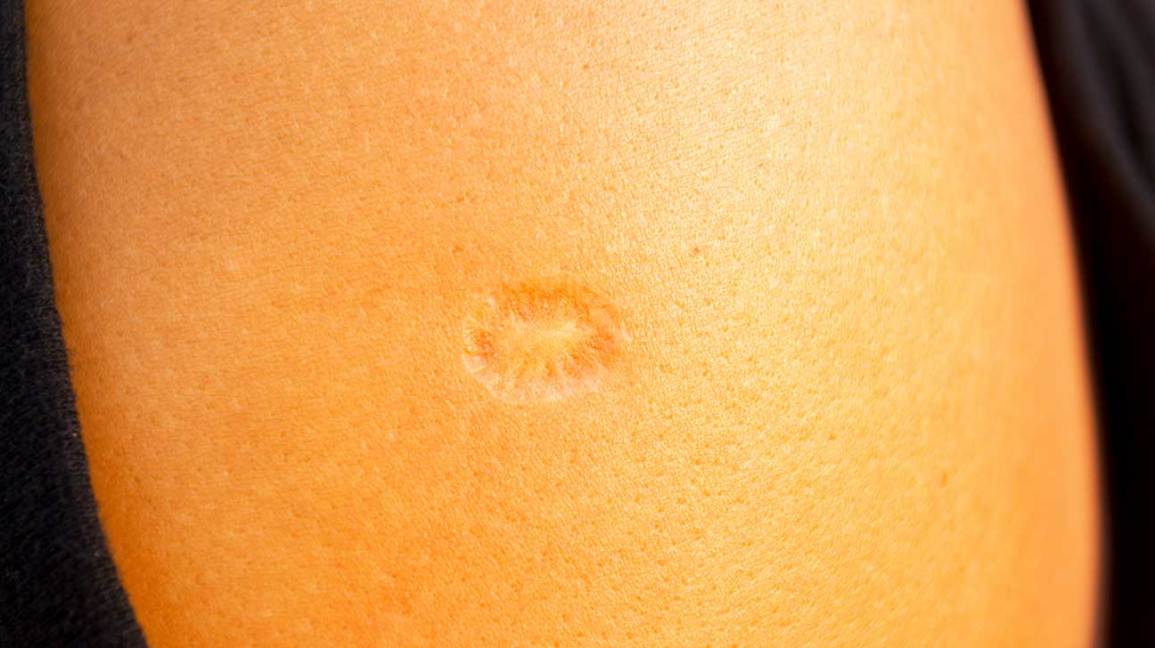
Not all vaccine scars look identical.
Scar appearance may vary depending on:
- Skin type
- Healing response
- Vaccination technique
- Individual immune reaction
- Age during vaccination
Some scars appear:
- Flat
- Raised
- Circular
- Darker or lighter than surrounding skin
Others may fade significantly over time.
Common Misunderstandings About the Scar
Many people who notice the scar online often create myths or incorrect explanations.
Some believe it comes from:
- A birthmark
- An injury
- A military procedure
- A skin disease
In reality, vaccine-related scars are extremely common and medically well understood.
The scar itself is usually harmless long after healing is complete.
Why Younger Generations Often Don’t Have It
Because smallpox was eradicated decades ago, routine smallpox vaccination eventually stopped in many countries.
As a result:
- Many younger adults never received the vaccine
- Modern vaccination methods changed
- Visible vaccine scars became less common
This is why older generations are far more likely to have the distinctive mark.
The Emotional Meaning for Some People
For some individuals, the scar carries personal memories connected to:
- Childhood
- Parents or grandparents
- School vaccinations
- Historic health campaigns
It may also remind people of how dangerous infectious diseases once were before modern medicine dramatically reduced their impact.
Some older adults even describe the scar as a “badge” from another era.
The Importance of Vaccination in Public Health
The story behind this scar also reflects the broader role vaccines have played in human history.
Vaccines have helped reduce or control diseases such as:
- Smallpox
- Polio
- Measles
- Tetanus
- Diphtheria
- Tuberculosis in some regions
Public health experts widely consider vaccination one of the greatest medical advances ever achieved.
Why Smallpox Was So Feared
Before eradication, smallpox outbreaks caused enormous suffering worldwide.
The disease was known for:
- Rapid spread
- Severe disfigurement
- High mortality rates
Survivors often carried permanent facial and body scars.
The successful elimination of smallpox remains one of humanity’s biggest victories against infectious disease.
Can the Scar Cause Problems Later?
For most people, old vaccine scars cause no medical issues.
However, some individuals may occasionally experience:
- Mild itching
- Cosmetic concerns
- Raised scar tissue
If a scar changes significantly, becomes painful, or develops unusual symptoms, medical evaluation may be appropriate — though this is uncommon.
Final Thoughts
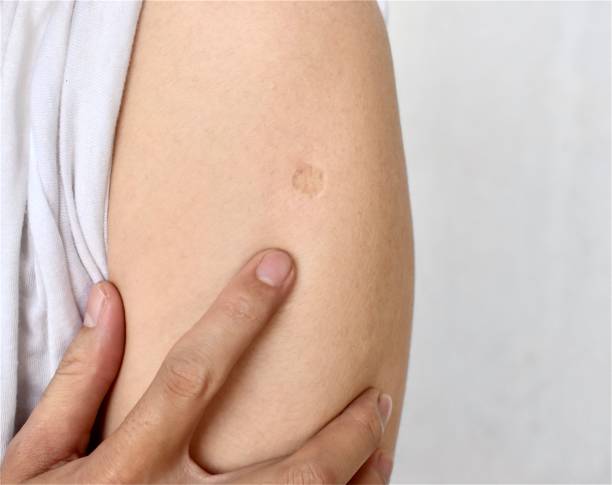
The small scar seen on many people’s upper left arm is often a lasting reminder of historic vaccination efforts that helped protect millions of lives worldwide. Whether from the smallpox vaccine or the BCG vaccine in certain countries, the mark represents an important moment in public health history.
What appears to be a tiny scar actually tells a much bigger story — one involving science, disease prevention, global cooperation, and the fight against deadly infectious illnesses that once threatened entire populations.