Why You Keep Waking Up With Dry Mouth—And What It May Be Telling You
Waking up with a dry mouth can feel uncomfortable, even alarming. For many people, it’s an occasional issue—but for others, it happens regularly and may signal something more.
Health reports suggest that persistent dry mouth, especially in the morning, could be your body’s way of pointing to underlying habits or health concerns.

What Causes Dry Mouth at Night?
Dry mouth—also known as xerostomia—occurs when the body doesn’t produce enough saliva.
Saliva plays an important role in:
- Keeping the mouth moist
- Protecting teeth from bacteria
- Supporting digestion
When saliva production drops during sleep, dryness can occur—but certain factors can make it worse.
1. Mouth Breathing While Sleeping
One of the most common causes is breathing through your mouth instead of your nose during sleep.
This may happen due to:
- Nasal congestion
- Sleeping position
- Snoring
When the mouth stays open overnight, moisture evaporates quickly, leading to dryness by morning.
2. Dehydration
Not drinking enough water throughout the day can leave your body lacking fluids.
At night, this becomes more noticeable, resulting in:
- Dry lips
- Sticky feeling in the mouth
- Thirst upon waking
Even mild dehydration can affect saliva production.
3. Certain Medications
Some medications can reduce saliva production as a side effect.
These may include:
- Allergy medications
- Cold treatments
- Some prescription drugs
If dry mouth started after taking a new medication, it may be worth discussing with a healthcare professional.
4. Sleep-Related Issues
Conditions such as snoring or disrupted sleep patterns may contribute to dry mouth.
In some cases, frequent waking, poor airflow, or airway obstruction can worsen nighttime dryness.
5. Lifestyle Habits
Everyday habits can also play a role, including:
- Drinking caffeine late in the day
- Alcohol consumption
- Smoking
These factors can dry out the mouth and reduce saliva flow.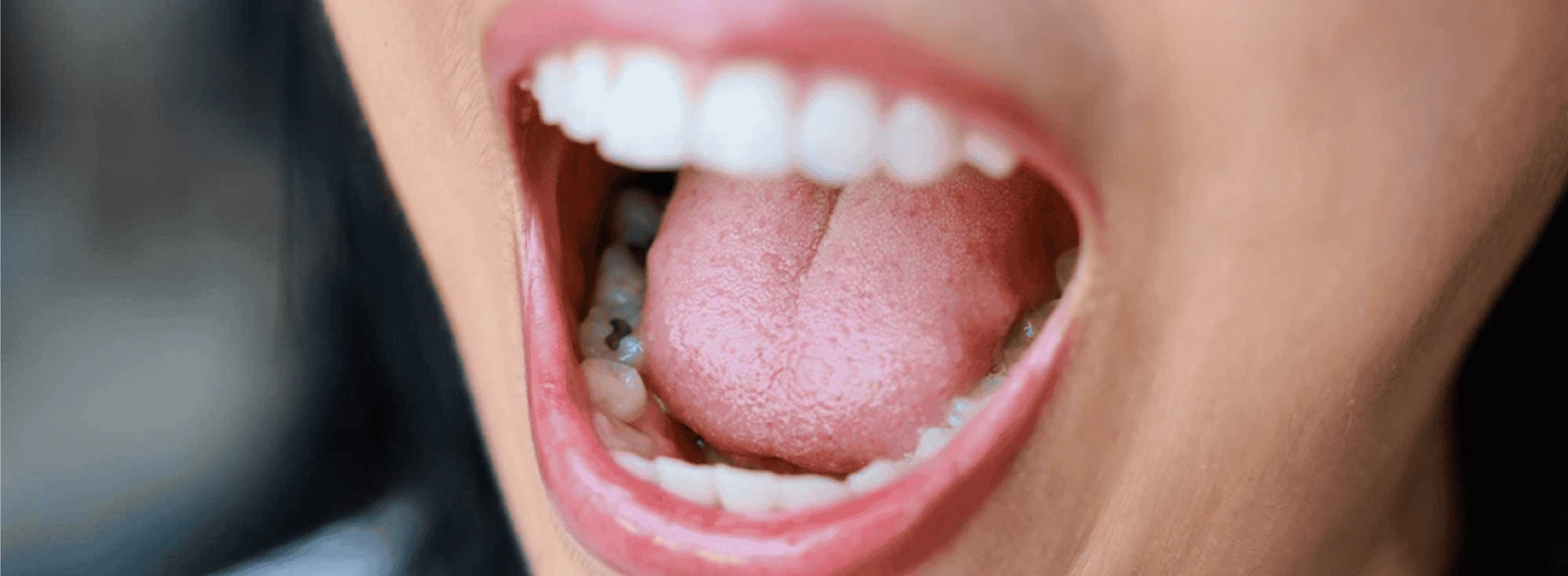
6. Possible Underlying Health Conditions
In some cases, persistent dry mouth may be linked to health issues such as:
- Diabetes
- Sinus problems
- Hormonal changes
While occasional dryness is usually harmless, frequent symptoms shouldn’t be ignored.
When Should You Be Concerned?
You may want to pay attention if dry mouth:
- Happens every morning
- Is accompanied by bad breath or a sore throat
- Leads to difficulty swallowing or speaking
These signs could indicate a deeper issue that needs evaluation.
Simple Ways to Improve It
To reduce dry mouth at night:
- Stay well hydrated during the day
- Try sleeping on your side
- Use a humidifier in dry environments
- Avoid caffeine or alcohol before bed
Small changes can often make a noticeable difference.
The Bottom Line
Waking up with a dry mouth once in a while is common—but if it happens frequently, it may be your body signaling something important.
Understanding the cause can help you take simple steps to improve your sleep—and your overall health.