If you've ever watched flight attendants closely during takeoff or landing, you may have noticed something unusual. Just before the aircraft begins accelerating down the runway or moments before touchdown - the cabin crew often sit in their jump seats with their backs straight, feet firmly planted on the floor, and in some airlines, their hands tucked under their thighs.
To many passengers, this posture looks strange or even uncomfortable. Some have even wondered whether it is a secret signal or a way to stay warm. In reality, this position has nothing to do with comfort. It is part of a carefully practiced safety procedure taught during cabin crew training.
While not every airline uses exactly the same hand position, many carriers require a version of what is known as the brace position during the most critical phases of flight.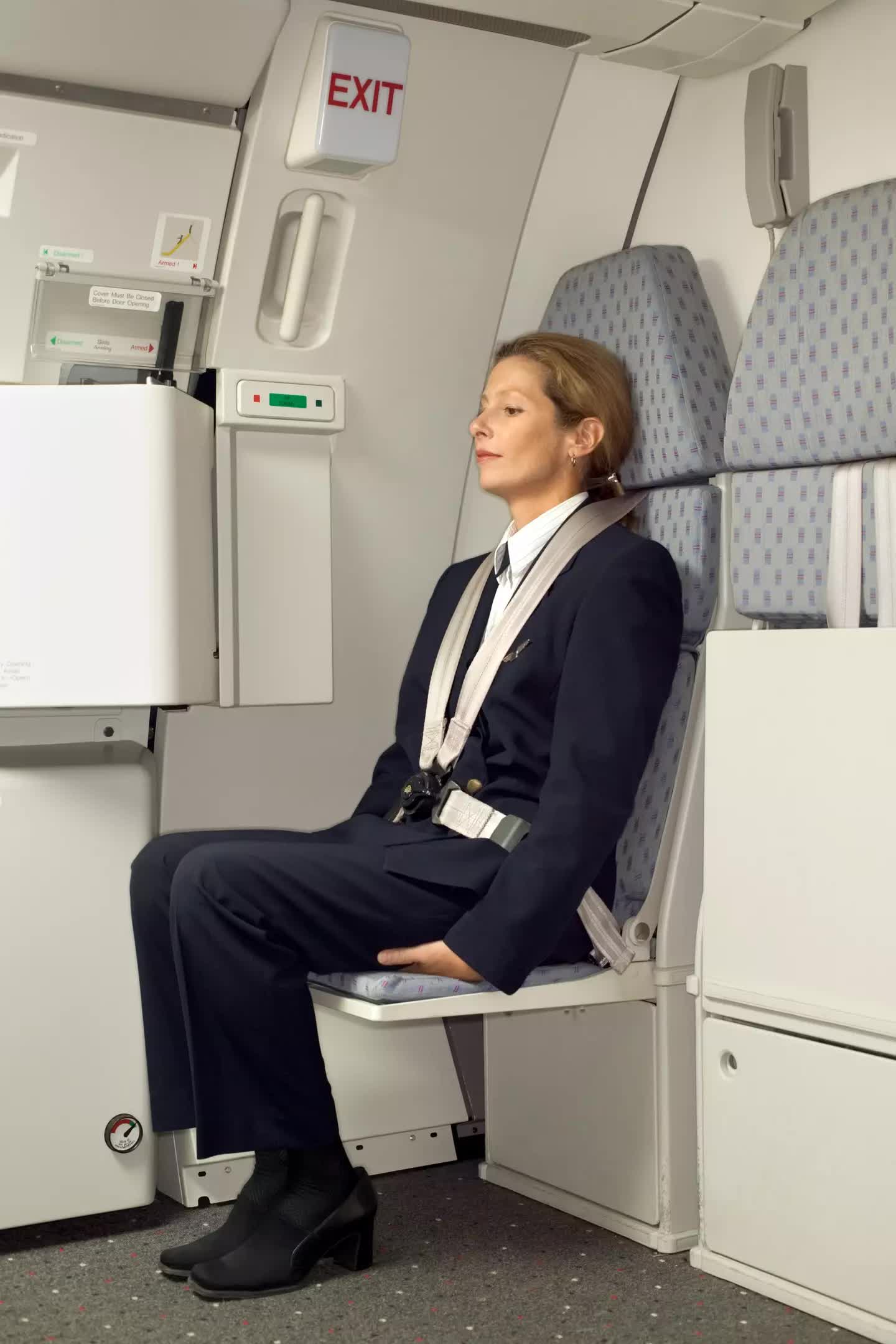
Why Takeoff and Landing Matter Most
Although flying is one of the safest forms of transportation, aviation experts recognize that the majority of aircraft accidents and serious incidents occur during:
-
Takeoff
-
Initial climb
-
Final approach
-
Landing
For this reason, flight attendants become especially focused during these moments.
Unlike passengers, cabin crew are responsible for responding immediately if an emergency occurs.
Their seating position helps prepare them for exactly that.
What Is the Brace Position?
The brace position is a safety posture designed to reduce unnecessary body movement during sudden impacts or severe turbulence.
Depending on the airline, cabin crew may be instructed to:
-
Sit upright.
-
Keep their back firmly against the seat.
-
Place both feet flat on the floor.
-
Secure their shoulder harness tightly.
-
Keep their head facing forward.
-
Rest their hands on their thighs or tuck them underneath their thighs.
Each airline develops procedures based on its aircraft, seat design, and safety training.
Why Place the Hands Under the Thighs?
For airlines that use this technique, placing the hands under the thighs serves several practical purposes.