The hand position is part of safety procedures, not temperature control.
Myth 2: Every Airline Uses Exactly the Same Technique
False.
Safety procedures vary among airlines, aircraft types, and aviation authorities.
Myth 3: Flight Attendants Relax During Takeoff
Quite the opposite.
Takeoff and landing are among the busiest and most safety-critical parts of every flight for cabin crew.
The Extensive Training Behind the Job
Many people think flight attendants simply serve food and drinks.
In reality, they receive extensive training in:
-
Aircraft evacuation
-
Firefighting
-
First aid
-
CPR
-
Emergency communication
-
Water survival
-
Security procedures
-
Passenger management
Their primary responsibility is always passenger safety.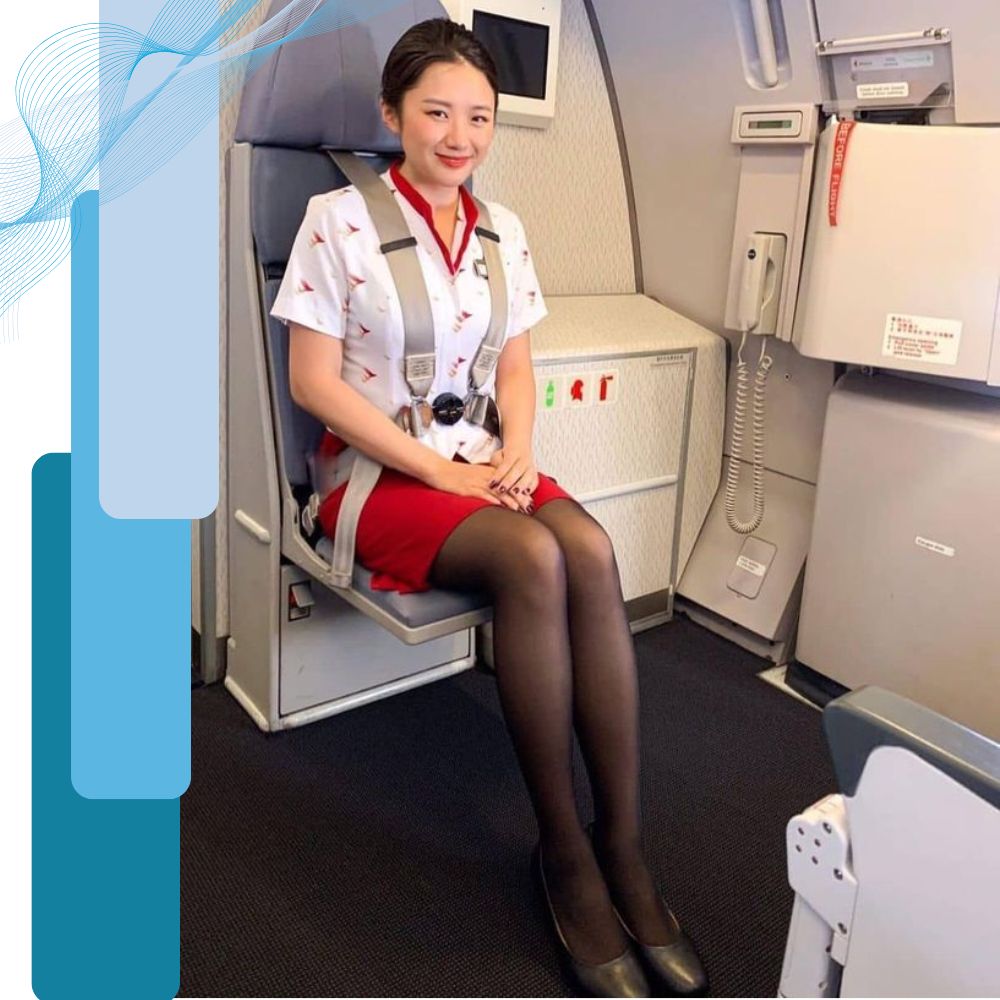
Final Thoughts
The next time you board a flight, take a moment to observe the cabin crew during takeoff or landing. If you notice a flight attendant sitting with their hands tucked under their thighs—or using another specific hand position - you'll know that it isn't simply a habit. It's part of a carefully practiced safety procedure designed to help them remain stable, reduce unnecessary movement, and prepare to respond immediately if an emergency occurs.
Although individual airlines may teach slightly different brace positions, the purpose is always the same: to maximize safety during the two phases of flight when quick thinking and rapid action matter most. Behind every calm smile and routine announcement is a highly trained professional whose first responsibility is protecting the passengers on board.
Understanding these small details offers a greater appreciation for the extensive preparation and professionalism that help make modern air travel one of the safest ways to travel.